Start with your exact tablet model: Apple Pencil, Samsung S Pen, Logitech Crayon and Surface Slim Pen each have their own compatibility limits. Then choose based on the level of line control you need, and consider pairing, charging and storage if you share a desk. Manufacturer information describes features, but it isn’t an independent hands-on test.
Who is this buying guide for?
Sketching on a tablet you already own
You want to check whether a stylus will work with the iPad, Galaxy Tab or Surface already on your desk. Compatibility varies by tablet model and stylus version. Apple Support, Samsung and Microsoft Support publish information for specific models.
Designer developing sketches in detail
You do more than quick outlines and want to know which pressure, tilt and tool features your combination of stylus, tablet and app supports. Microsoft Support describes features for each Surface model; Apple provides information about the features of its Pencil models.
Team sharing an iPad
You want to pass ideas around easily and need a practical way to pair, charge and put the stylus away. Logitech describes how to start using Crayon without complicated Bluetooth pairing; Apple explains the different ways to charge its Pencil models.
What should you look for when choosing?
First check whether the stylus works with the tablet you have; then compare line control, how easily people can take turns at the desk and the charging options.
| What to consider |
What should you check? |
Which consumers is this important for? |
| Compatibility |
Compare the full tablet model with the stylus; also check any software requirements. |
If I want to sketch on the tablet at my desk, the stylus needs to work with it. Compatibility is the main concern for around 33% of consumers. |
| Line control |
Check pressure and tilt sensitivity separately for the stylus, tablet and drawing app. |
When I’m developing concept lines and shading, I want to know how I can vary my strokes. Around 27% of consumers give line control top priority. |
| Taking turns at a shared desk |
Check how to get the stylus ready, pair it and put it away. |
If several people use the same iPad, I want to be able to pick up and put away the stylus quickly. This is the main concern for around 20% of consumers. |
| Charging and aftercare |
Check how it charges, which accessories you need and who to contact if there’s a problem with the product. |
When choosing a stylus for everyday use, I want to know what I need to charge it and who to contact if something goes wrong. Around 20% of consumers put this first. |
Common buying mistakes
-
Assuming a brand name or magnetic attachment means it’s compatible
Apple, Samsung and Microsoft specify which devices and stylus features are supported. A stylus made by a particular brand won’t necessarily work with every device from that brand.
Before you buy, compare the full model names and check the software version and features required for your combination.
-
Confusing tilt sensitivity with pressure sensitivity
Tilt and pressure are different ways to control a sketch line. Apple Pencil (USB-C) and Logitech Crayon (USB-C) are described as tilt-sensitive; that doesn’t mean they’re also pressure-sensitive.
If pressure variation is important for your sketches, check that the exact stylus, tablet and app support it.
-
Forgetting that the Surface Slim Pen needs a charging option
How it charges depends on the stylus and Surface combination. Microsoft notes that you may need a compatible charging dock or charger for a Surface Slim Pen.
Check which charging option you already have and what’s included with the stylus you choose.
Brands worth comparing
Apple
Apple Pencil models are designed for specific, supported iPads. Check the model combination before comparing features.
- Apple lists features for Pencil Pro including squeeze controls, rotation, haptic feedback and magnetic pairing and charging.
- Apple Pencil (USB-C) is tilt-sensitive; pairing and charging are done using a USB-C cable. Magnetic attachment is designed for storage.
Samsung
S Pen versions are relevant to Galaxy devices with confirmed stylus support. The right version depends on your device and the features you want.
- Samsung distinguishes between Pro, Creator Edition and Fold Edition based on their versions and features.
- Compatibility varies by stylus; Samsung also notes that available Air Command features can vary by app.
Logitech
Crayon (USB-C) is an option for sketching, writing and annotating on supported iPads.
- Logitech describes how to start using it without complicated Bluetooth pairing, as well as tilt sensitivity and USB-C charging.
- Check your specific iPad model. Tilt sensitivity alone doesn’t confirm pressure sensitivity.
Microsoft
Surface Slim Pen models are designed for writing and drawing on supported Surface devices.
- Microsoft describes stylus features for each Surface model; 4,096 pressure levels are listed for some models.
- Check which features your Surface supports and whether you need a compatible charging dock or a separate charger.
Tablet styluses for product sketches
These Joybuy product picks are for product sketches and line control on a compatible iPad or Surface; check support for your exact tablet model.
 No image available
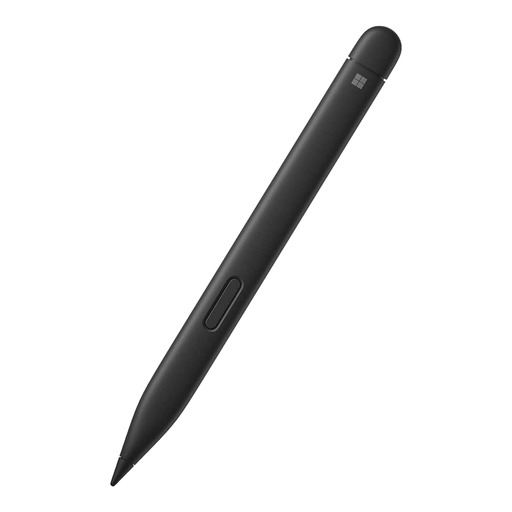
Microsoft Surface Slim Pen 2 Black 8WV-00002
For sketching with varied line weight on a supported Surface device.
The product description lists 4,096 pressure levels, tilt sensitivity and haptic feedback. Compatibility and features vary by Surface model.
View product
 No image available
Logitech Crayon USB-C
For shared use with a supported iPad when getting started quickly without complicated pairing matters.
The product description lists iPads from 2018 onwards and iOS 12.2 or later. The stylus is tilt-sensitive; this doesn’t confirm pressure sensitivity.
View product
 No image available
Apple Pencil Pro
For developing sketches on a supported iPad when you want creative controls and a convenient magnetic place to store the stylus.
The product description lists pressure and tilt sensitivity. Apple also describes squeeze controls, rotation, haptic feedback and magnetic pairing and charging. Check which iPad and drawing app support the features you want.
View product
 No image available
Apple Pencil (USB-C), white
For sketching on a supported iPad when tilt sensitivity is enough and charging by cable suits the way you use it.
The stylus is tilt-sensitive. Pairing and charging are done using a USB-C cable; magnetic attachment is designed for storage.
View product
 No image available
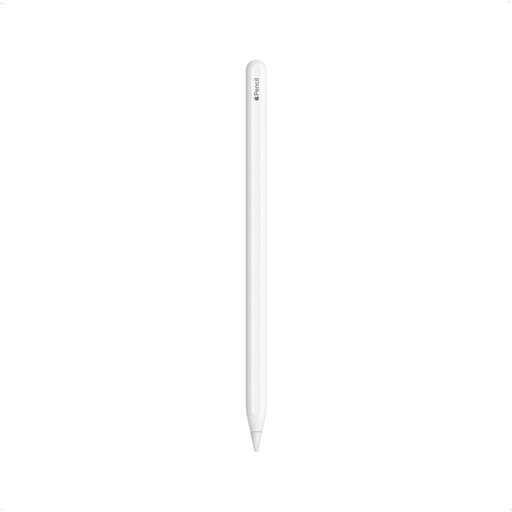
Apple Pencil (2nd generation)
For drawing, sketching and taking notes on an iPad from the compatible model range.
The product title lists the 12.9-inch iPad Pro (3rd, 4th, 5th and 6th generation), 11-inch iPad Pro, iPad Air (4th and 5th generation) and iPad mini (6th generation). Check that your exact model is included.
View product
Frequently asked questions
How can you check whether a stylus will work with the tablet on your desk?
First, find the full tablet model name and compare it with the compatibility information for the specific stylus. Apple also lists minimum iPadOS versions; Samsung and Microsoft specify features for each device or stylus version.
Does an Apple Pencil that attaches magnetically to an iPad also charge magnetically?
No. According to Apple, Pencil Pro pairs and charges magnetically on a compatible iPad; Apple Pencil (USB-C) attaches magnetically for storage, but pairs and charges using a USB-C cable.
What should you check if the stylus isn’t immediately ready to use at a shared desk?
Check how the specific stylus charges and pairs. Logitech says Crayon (USB-C) can be used without complicated Bluetooth pairing; Microsoft recommends a compatible charging dock or charger for Surface Slim Pen. Follow the instructions for your model.
Who can help if a stylus bought in the Netherlands turns out to be faulty during normal use?
According to the Dutch government, the retailer is your point of contact for a remedy under the legal guarantee. The Netherlands doesn’t have a fixed legal guarantee period for all products; what you can reasonably expect depends on the product and the circumstances.
Do you always have 14 days to change your mind when buying online?
For eligible distance purchases from a business, the Dutch government says you generally have 14 days to change your mind. There are exceptions; purchases from a private seller aren’t covered by the distance-selling rules described there.


