
Tablet owner looking for a compatible pen
You want to create lettering without choosing a pen that won’t work with your tablet model. Apple, Samsung and Microsoft publish compatibility information for individual devices or pen versions.


Start with your exact tablet model: Apple Pencil, Samsung S Pen and Surface models aren’t automatically compatible with every tablet. Choose pressure sensitivity if you want to control line thickness with your hand pressure in a compatible drawing app; for consistent lettering, a compatible pen without this feature may be enough. Tackle screen glare separately by adjusting the position of your tablet and window, or choosing an anti-reflective solution that suits your screen. A different stylus won’t reduce screen reflections.
You want to create lettering without choosing a pen that won’t work with your tablet model. Apple, Samsung and Microsoft publish compatibility information for individual devices or pen versions.
You want to vary thin and thick strokes with hand pressure, and are comparing that need with pens that use tilt or a fixed brush setting. Logitech describes the Crayon as tilt-sensitive, but not pressure-sensitive.
You want to assess letter shapes on your tablet screen despite reflections. Samsung describes an anti-reflective film for specific Galaxy Tab models; visibility also depends on your screen and setup.
First, check that the pen is compatible with your tablet. Then decide how you want to control your lettering strokes, and consider screen reflections and charging separately.
| What to consider | What to look for | Who is this most important for? |
|---|---|---|
| Compatibility | Check your exact tablet model against the compatibility information for the pen you’re considering. For Surface, also check which pen features your model supports. | I want to use my own tablet and avoid finding out later that some pen features aren’t available. Around 36% of consumers put compatibility first. |
| Control over lettering strokes | Check whether the exact pen is pressure-sensitive and whether your drawing app offers the brush controls you want. Tilt control isn’t the same as pressure sensitivity. | For decorative lettering, I want to create thin and broad strokes using hand pressure. Around 29% of consumers say line control is their main concern. |
| Screen visibility by the window | Assess the viewing angle and, if you’re considering an anti-reflective film, check that it’s designed for your tablet model. A stylus won’t change screen reflections. | I want to see letter shapes clearly on screen while working beside a bright window. Around 21% of consumers prioritise screen visibility. |
| Charging and accessories | Check how the exact version is charged and which accessories or replacement tips you’ll need. | For short lettering sessions, I want to know if the pen is ready to use and what extra steps are involved in charging or maintenance. Around 14% of consumers put this convenience first. |
Apple, Samsung and Microsoft list compatibility and pen features for each version or device. Relying on the brand or how the pen attaches could mean the features you want aren’t available.
Before buying, check the full model names of both your tablet and pen in the manufacturer’s documentation.
Logitech describes tilt on the Crayon as a way to vary line width, but doesn’t describe the pen as pressure-sensitive. These are different ways to control a lettering stroke.
Decide whether you want to vary the line using pressure or whether tilt or a set brush width will do.
A stylus won’t change reflections on your tablet screen. The anti-reflective coating described by Samsung is on a film for specific tablet models, not on the pen.
Try adjusting the viewing angle or tablet position. If you’re considering a film, first check that it’s designed for your exact screen model.
Charging methods vary by pen. Apple describes USB-C pairing and charging for Pencil (USB-C), and magnetic pairing and charging for Pencil Pro on supported iPads. Microsoft lists compatible charging locations for Surface Slim Pen and notes that a separate charger may be needed.
Check the charging method and included accessories for the exact version you’re choosing.
Apple Pencil versions are designed for specific supported iPads; features and charging methods vary by version.
Samsung S Pen versions are designed for compatible Galaxy devices, including tablet-specific pens and Creator Edition for supported devices.
Crayon is designed for writing and sketching on iPads supported by Logitech.
Surface Slim Pen is designed for Surface devices that support pen input.
According to Adonit, Dash 4 is a stylus with two operating modes for the devices specified by the brand.
This selection includes stylus pens for capacitive screens, as well as pens for specific iPad and Surface models. For each product, check that the stated compatibility suits your tablet and the features you want.
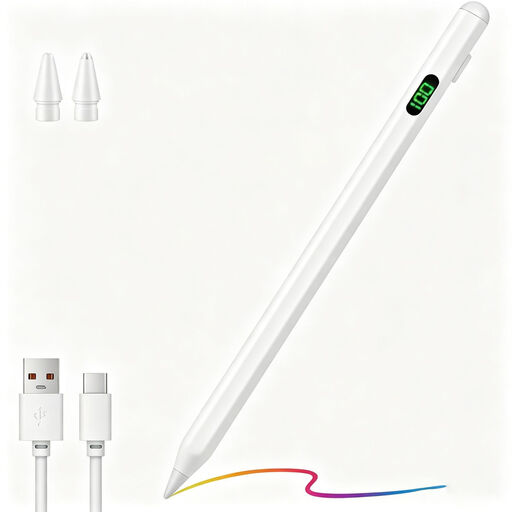 No image available
An option to consider if you want to write or draw on a compatible capacitive screen.
The product description mentions a POM tip, an LED indicator and USB-C charging.
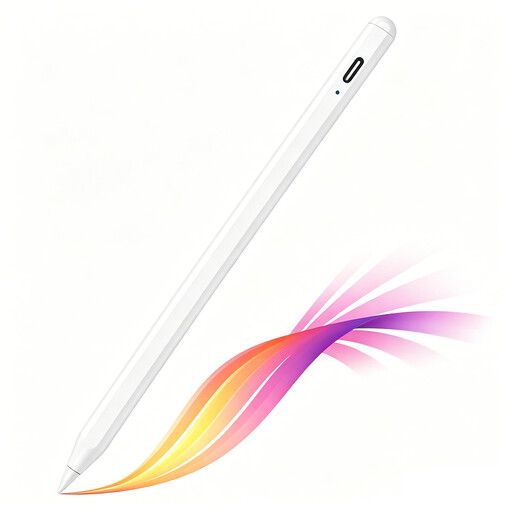 No image available
An option for digital lettering if your iPad model supports this pen and you want to use the listed pen features.
The product description mentions tilt detection and palm rejection. The title limits compatibility to selected iPad models.
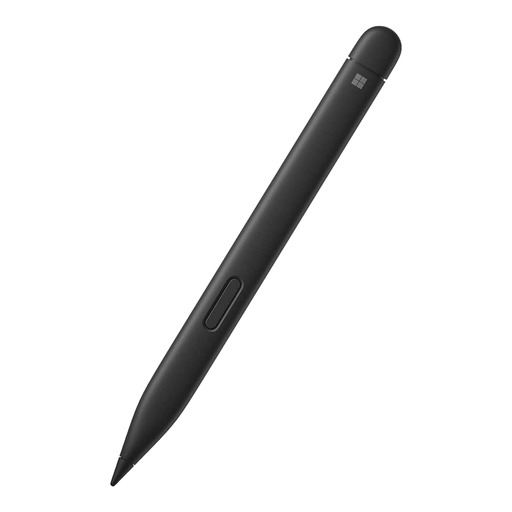 No image available
An option for pressure-controlled lettering strokes if you have a Surface model that supports this pen.
The product information lists 4,096 pressure levels and haptic feedback. A compatible Surface device is required.
 No image available
An option for brush-style lettering if you use a compatible iPad and want to make the most of pressure sensitivity.
The product information lists pressure and tilt sensitivity, gesture controls and magnetic charging. Pairing and charging require a compatible iPad.
 No image available
An option for writing and drawing on a compatible iPad model if USB-C charging and tilt sensitivity suit the way you work.
The product information lists USB-C charging and tilt sensitivity. It’s designed for use with compatible iPads.
No, pressure sensitivity varies by pen. Logitech says the Crayon isn’t pressure-sensitive and describes tilting as a way to vary line width. Choose a pressure-sensitive pen if you want to control your strokes with hand pressure, and check that your drawing app supports this feature.
Look up your tablet’s full model name in the compatibility information for the exact pen version. Apple and Samsung distinguish between pen models and compatible devices; Microsoft lists pen support and features for each Surface model.
A different stylus won’t change screen reflections. Try adjusting the viewing angle or tablet position, and check that any anti-reflective film is designed for your tablet model. Samsung describes such a film for specific Galaxy Tab models.
It varies by version. Apple describes pairing and charging with a USB-C cable for Pencil (USB-C), and magnetic pairing and charging for Pencil Pro on compatible iPads. For Surface Slim Pen, Microsoft describes compatible charging locations and notes that a separate charger may be needed; check the instructions for the exact pen.