
Artist with an existing tablet
You want to check first whether a stylus works with your exact iPad, Galaxy Tab or Lenovo tablet model.


Start by checking your exact tablet model: a stylus is only useful if your tablet supports it. Choose pressure sensitivity if you want to control line thickness with the pressure of your hand; tilt is a separate input and may be enough for simpler outlines. A different stylus won’t solve reflections from the window, so also consider your screen and where you draw.
You want to check first whether a stylus works with your exact iPad, Galaxy Tab or Lenovo tablet model.
You draw expressive outlines and want to know whether the pen and drawing app support variation through pressure or tilt.
You want to see details on screen clearly and distinguish between pen features and screen reflections.
First check that it’s compatible with your tablet, then decide which inputs your drawing app needs for the lines you want to create.
| What to consider | What to look for | Who is this important for? |
|---|---|---|
| Compatibility | Check the exact tablet model, generation and any required system version in the manufacturer’s compatibility list. | If I’m buying a pen for my existing tablet, I want to be sure that exact model is supported. Around 33% of consumers put compatibility with their own tablet first. |
| Line control | Check separately whether the pen is pressure-sensitive, supports tilt and works with your chosen app or brush. | When I draw cartoon outlines, I want to control line thickness with pressure and know whether my app supports it. Around 27% of consumers give expressive line control top priority. |
| Visibility in window light | Assess the screen and your workspace in the light conditions you draw in; a stylus doesn’t change the screen glass. | When drawing beside a bright window, I want to keep seeing details on screen, so I also consider the screen and the light. Around 27% of consumers put visibility of their drawing first. |
| Charging and nibs | Check how the pen charges and which nibs are included or available as replacements. | If I draw regularly, I factor in charging and replacement nibs to work out what suits the way I use it. Around 13% of consumers give maintenance and running costs top priority. |
A magnetic attachment doesn’t prove that the pen works with your exact tablet model. Apple lists compatible iPad models for each Pencil version.
Before buying, check the full model and generation details in the manufacturer’s compatibility information.
Pressure and tilt are different types of input. Procreate explains how brush size can be linked to Apple Pencil pressure; Logitech states that Crayon isn’t pressure-sensitive.
Check the pressure feature of the exact pen, and whether your drawing app and chosen brush use that input.
A stylus doesn’t change the screen glass. Apple describes anti-reflective glass and a less reflective nano-texture option for certain iPad Pro versions.
Consider the light, your workspace and the screen separately from your choice of pen.
For the Samsung EJ-PX510, the product description and Samsung’s information about Bluetooth differ.
Check the exact pen version and device combination with Samsung before relying on Bluetooth features.
Apple Pencil versions are designed for specific, supported iPad models.
Samsung S Pen versions are designed for supported Galaxy devices; the Creator Edition is made for drawing.
Tab Pen Plus is designed for Lenovo tablets that Lenovo lists as compatible.
Logitech Crayon is a stylus for supported iPads, with tilt support for drawing and writing.
Noris digital is a pencil-shaped EMR stylus for devices on the compatibility list.
This Joybuy selection includes styluses for drawing on iPad models and Surface devices. Check compatibility with your tablet for each version, and whether your drawing app supports the input you want.
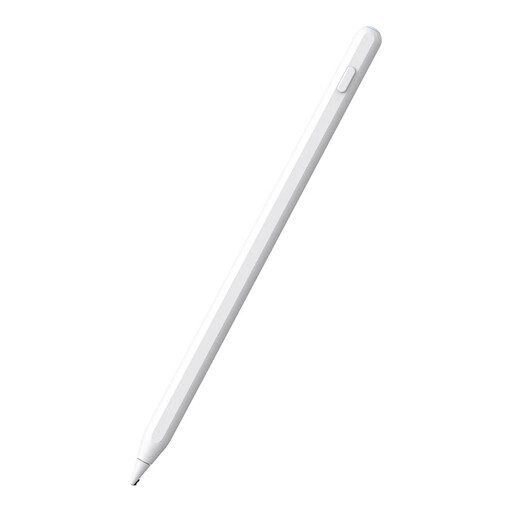 No image available
For drawing on a compatible iPad; the product name mentions magnetic charging and protection against accidental touches.
The stated compatibility covers iPad models from 2018–2026; check that your exact model is supported.
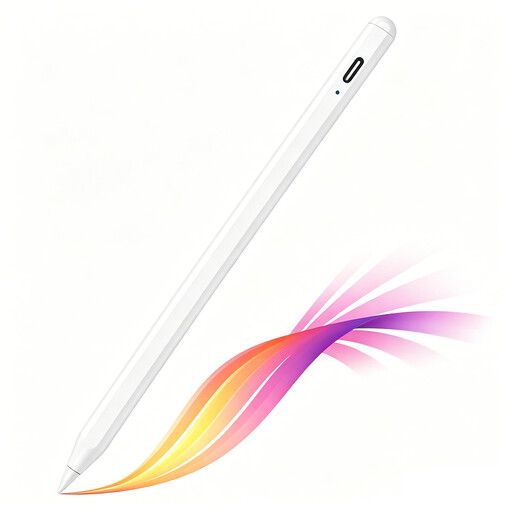 No image available
For sketching and outlines on a supported iPad model; the product name mentions tilt detection and palm rejection.
The product name lists a USB-C charging port, magnetic attachment and an LED battery-level indicator. Check compatibility with your iPad.
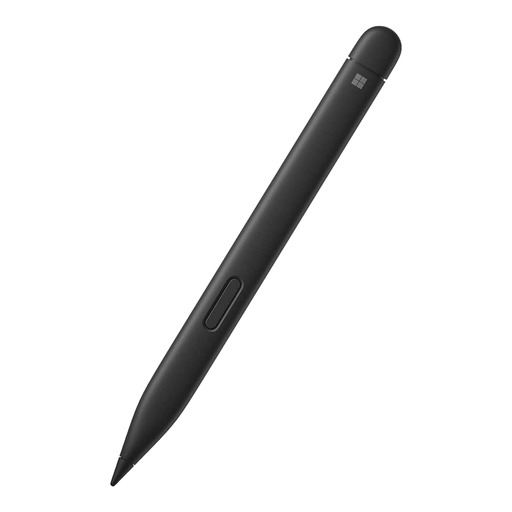 No image available
For drawing on a compatible Surface device. Check whether your exact tablet model supports this pen.
 No image available
For drawing on a supported iPad. Apple describes pressure and tilt sensitivity, as well as pinch and rotation controls, for Pencil Pro.
Compatibility and available features depend on the exact iPad model and the app you use; check the model details beforehand.
 No image available
For sketching and outlines on a compatible iPad; Apple describes tilt support for this version.
Apple states that it charges via a USB-C cable. Check compatibility with your exact iPad model.
Find your exact iPad model and generation, then compare them with Apple’s compatibility list for the specific Pencil. Also check the minimum iPadOS version listed, where applicable; magnetic attachment alone doesn’t prove compatibility.
First check whether the pen supports pressure input, then check whether your chosen brush uses it. Procreate explains how brush size can be linked to Apple Pencil pressure and how the pressure response can be adjusted; Logitech states that Crayon isn’t pressure-sensitive.
No, a stylus doesn’t change the screen glass. Apple describes standard anti-reflective glass and a less reflective nano-texture option for certain iPad Pro versions, so consider the screen and where you draw as well.
According to the Dutch government, the seller must resolve a product fault. When you buy from a business at a distance, you generally also have a 14-day cooling-off period. Dutch statutory warranty doesn’t have a fixed two-year term; normal wear and tear or damage you cause isn’t automatically covered by free repair.