Start with the exact model of your tablet and the drawing app you use: a pen for iPad, Galaxy Tab or Windows won’t necessarily work with other devices. Then choose the pen input your brush needs, such as pressure for varied line weight or tilt for shading, and check how the pen connects, charges and stores. There’s no substantiated ranking for how much noise a pen makes on a screen, so assess compatibility and drawing features separately from any claims about quiet operation.
Who is a stylus for botanical drawing suitable for?
Artist with an existing tablet
You want to add or replace a pen without choosing an incompatible model. The exact iPad, Galaxy Tab or Windows model determines which pens are suitable; Apple Support Netherlands, Samsung Netherlands and Wacom outline compatibility by device or protocol.
Botanical artist who loves detail
You switch between fine leaf veins and outlines, and shading, and want to know whether both the pen and drawing app support the pressure or tilt input you need. Apple, Logitech and Adonit describe different features for each pen model.
Sketcher with a peaceful workspace
You consider pairing, charging, storage and replacing pen tips to minimise interruptions while sketching. Manufacturer information about these features doesn’t, by itself, tell you how quietly a pen sounds on a particular screen.
What should you look for in a stylus for botanical studies?
Apple Pencil for a compatible iPad
A good fit if: you draw on an iPad and want to pair the features of a compatible Pencil model with your brush.
Consider: Apple Pencil Pro pairs and charges magnetically on compatible iPads; the USB-C version pairs and charges using a cable. Compatibility varies by model and iPad generation.
S Pen for a compatible Galaxy Tab
A good fit if: you already use a Galaxy Tab with pen support and want a version suited to that tablet model.
Consider: Samsung offers versions with different compatibility, Bluetooth and charging features; the name S Pen alone doesn’t tell you which features you’ll get.
Pen for a compatible Windows tablet
A good fit if: you draw on a Surface or another Windows tablet with pen support.
Consider: Microsoft advises checking features by Surface model; Wacom lists AES and MPP support for Bamboo Ink Plus, with differences depending on hardware and software.
Alternative pen for a compatible iPad
A good fit if: you mainly sketch on an iPad using tilt input, or want to use pressure sensitivity in a specific drawing app.
Consider: Logitech describes tilt functionality for Crayon; Adonit says Note+ needs to be paired with a compatible app for pressure sensitivity.
| What to consider |
What to look for when buying |
Who is this important for? |
| Compatibility |
Compare your exact tablet model with the pen’s compatibility list. For a Windows tablet, also check that the pen protocol is compatible; Wacom lists AES and/or MPP for Bamboo Ink Plus. |
If I want to keep using my current tablet, the pen needs to be an exact match for the model. Around 34% of consumers prioritise compatibility with their own tablet. |
| Line and shading control |
Check that both the pen and drawing app support the pressure or tilt input you want. Logitech describes tilt functionality for Crayon; Adonit says Note+ needs to be paired with an app for pressure sensitivity. |
For fine veins, outlines and shading, I want to use the input my brush needs. Around 33% of consumers prioritise line and shading control. |
| Working routine |
Check separately how the pen connects, stores and charges. Apple describes magnetic pairing and charging for Pencil Pro; the USB-C version charges using a cable. |
During a peaceful drawing session, I want to know how charging and storage work, without assuming from a product description that drawing will be quiet. Around 20% of consumers prioritise an uninterrupted working routine. |
| Maintenance |
Check which replacement tips or battery are compatible with the exact version. ACM ConsuWijzer explains the statutory guarantee that applies if a product doesn’t perform as you could reasonably expect under normal use; the retailer is your point of contact. |
I want to know in advance whether maintenance might be needed and what I can do if the pen develops a fault. Around 13% of consumers prioritise maintenance and the purchase decision. |
Common mistakes when choosing a stylus
-
Choosing a pen by tablet brand rather than exact model
Pen features and compatibility can vary between tablet generations and pen versions. A pen that isn’t compatible with your device won’t offer the drawing input you’re looking for.
Before choosing, compare your tablet’s full model name with the compatibility list for the exact pen.
-
Confusing tilt with pressure sensitivity
Tilt input and pressure sensitivity are different features. A brush that responds to pressure won’t automatically work in the same way with a pen that only specifies tilt functionality.
Check which input your brush uses and whether both the pen and drawing app support that feature.
-
Assuming magnetic storage means magnetic charging
A pen can attach magnetically to a tablet without charging through that connection. Apple describes different charging methods for Pencil Pro and Pencil (USB-C).
Check pairing, storage and charging as separate features of the version you choose.
-
Assuming a pen will be quiet based on its tip shape or product description
The shape of a tip or a description of a pen’s features doesn’t tell you how much noise it will make on your tablet screen.
Treat claims about quiet operation as unverified, and try the pen on your own screen and work surface if possible.
Which stylus brands are worth considering?
Apple
Apple Pencil models are designed for specific compatible iPads; check your tablet generation.
- Apple describes magnetic pairing and charging for Pencil Pro, and USB-C charging for the USB-C version.
- The models have different compatibility lists and features.
Samsung
S Pen versions are relevant for compatible Galaxy devices, including tablets.
- Samsung describes several versions for different devices.
- Compatibility, Bluetooth and charging vary by version; check the details for your tablet.
Microsoft
Surface Pen models are designed for compatible Surface devices; check the features of each model.
- Microsoft lists tilt detection and 4096 pressure levels for Surface Pen.
- Surface Pen and Surface Slim Pen don’t necessarily use the same battery or charging method.
Wacom
Bamboo Ink Plus is a possible pen option for compatible Windows devices.
- Wacom lists support for AES and/or Microsoft Pen Protocol.
- Integration varies depending on hardware and software; Wacom says Bamboo Ink Plus doesn’t work with Apple products.
Lenovo
Tab Pen Plus is designed for compatible Lenovo tablets.
- Lenovo specifies 4096 pressure levels, tilt detection and palm rejection for this model.
- Check that it’s compatible with your exact tablet model.
Logitech
Crayon is an alternative pen for compatible iPads, including for sketching with tilt input.
- Logitech describes tilt-controlled line thickness and palm rejection.
- The feature information cited doesn’t confirm pressure sensitivity; also check which Crayon version you’re choosing.
Adonit
Note+ is an alternative pen for specific compatible iPads and drawing apps.
- Adonit describes pressure sensitivity, tilt and palm rejection.
- According to Adonit, pressure sensitivity and shortcut buttons require pairing with a compatible app.
Stylus pens for drawing on Joybuy
The selection below includes stylus pens for compatible iPads and Microsoft Surface devices, with different drawing features and charging methods. Before buying, check compatibility with your exact tablet model and drawing app.
 No image available
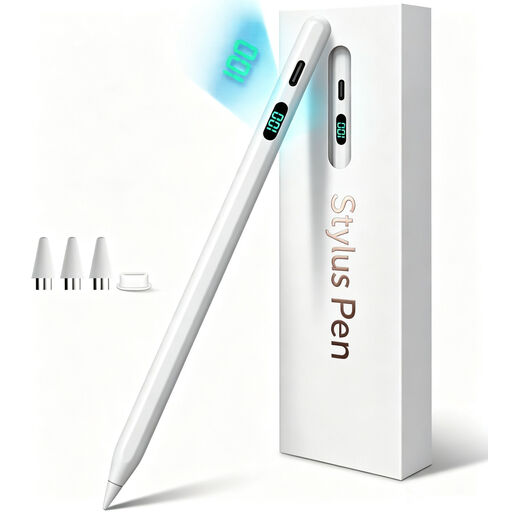
Input Pen Stylus for iPad 2018–2026
For drawing and sketching on compatible iPads; the product description lists tilt detection and palm rejection, but not pressure sensitivity.
Charges via USB-C; the description states up to 10 hours of use after 30 minutes of charging.
Joybuy
 No image available
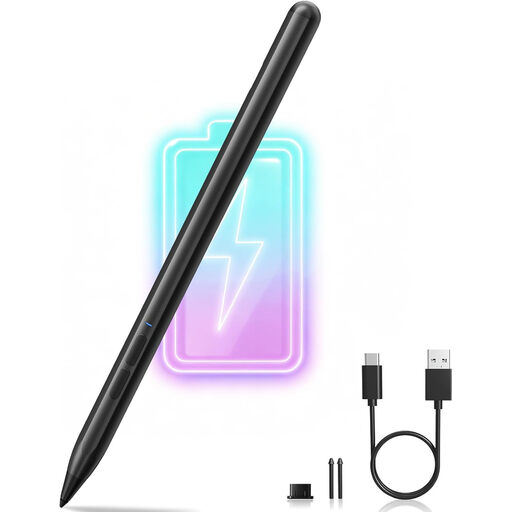
Pen for Microsoft Surface MP-02, Black
For drawing on the Surface models named in the product title; the description lists 4096 pressure sensitivity levels and palm rejection.
The magnetic attachment is for storage. A lithium-ion battery is required and, according to the description, isn’t included.
Joybuy
 No image available
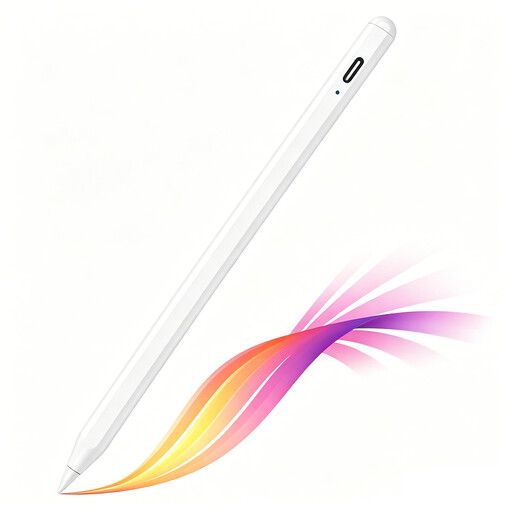
iPad Stylus with USB-C charging port
For sketching on selected iPad models; the product information lists tilt detection and palm rejection.
The description states 30 minutes of charging for up to 8 hours of use. The magnet is for storage and doesn’t support wireless charging.
Joybuy
 No image available
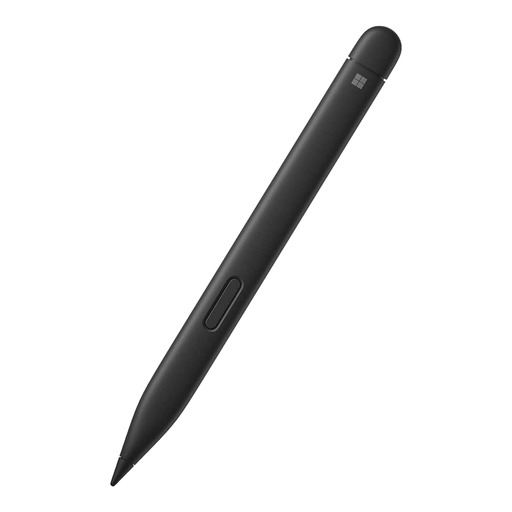
Microsoft Surface Slim Pen 2 Black 8WV-00002
For drawing on compatible Surface devices; the product information lists 4096 pressure sensitivity levels.
The product information also mentions haptic feedback.
Joybuy
 No image available
Apple Pencil Pro 2024 for iPad Air and iPad Pro
For compatible iPad Air and iPad Pro models; the product information lists pressure and tilt sensitivity.
Magnetic pairing and wireless charging are listed for a compatible iPad.
Joybuy
Frequently asked questions about tablet styluses
How can you tell if a pen will work with your tablet?
Compare your tablet’s full model name with the compatibility list for the exact pen version. For Windows devices, also check the supported pen protocol; a general statement that a pen is suitable for tablets isn’t enough.
Is snapping on magnetically the same as charging magnetically?
No. Apple describes magnetic pairing and charging for Pencil Pro, while Pencil (USB-C) can be stored magnetically and pairs and charges via a USB-C cable.
What can you check if pressure sensitivity doesn’t work in your drawing app?
Check whether the exact pen model supports pressure sensitivity and whether your drawing app enables this feature. Adonit says Note+ needs to be paired with a compatible app for pressure sensitivity.
Can you replace pen tips, and what should you do if a pen develops a fault?
Apple sells replacement tips for the Pencil models listed by Apple. If you buy as a consumer in the Netherlands, statutory guarantees also apply if a product doesn’t perform as you could reasonably expect under normal use; ACM ConsuWijzer identifies the retailer as your point of contact.
How long do you have to return a stylus bought online?
According to ACM ConsuWijzer, online consumer purchases generally come with a statutory cooling-off period of up to 14 days after delivery, with some exceptions. Check these exceptions separately from any more generous returns policy offered by the retailer.


