Choose a tablet to suit the work you’ll be doing at the table: reading scans, annotating documents or writing longer texts. A larger screen can make documents easier to view, but it takes up more table space and, according to the Consumers’ Association, tablets measuring 12 to 14 inches are less easy to carry around. Compare the exact stylus and bundle contents too, and check the archive’s rules before relying on the camera.
Who is this buying guide for?
Reader of historical scans
You want to enlarge and read deeds, newspapers or inventories at the table without the device taking up too much of the shared workspace. The Consumers’ Association points out that larger tablets are less easy to carry around.
Researcher who annotates documents
You switch between sources and your own notes. Apple, Samsung and Lenovo describe stylus support or a stylus bundle for specific versions, so check exactly which model and accessories you’re considering.
Visitor with long research sessions
You want to keep scans and notes available during your visit, and take Wi-Fi, power sockets and the rules of your reading room into account. Facilities and house rules can vary between archives.
What should you look for?
Start with your main task: reading scans, highlighting passages or writing longer texts. Then consider how much table space you have and which accessories you actually need.
| What to consider |
What should you check? |
Who is this important for? |
| Reading scans and table space |
Compare the screen size and resolution with the documents you’ll be viewing; if possible, try the archive website on the device. |
When I’m reading old deeds or maps, I want to view the text without using more table space than necessary. Around 36% of consumers say readability is their top priority. |
| Annotating and accessories |
Check stylus compatibility and exactly what’s included in the box or bundle. |
If you want to highlight passages or write notes while reading, a compatible stylus may be important to you. Around 29% of consumers prioritise annotation. |
| Availability during your visit |
Ask the archive about Wi-Fi and power sockets. Also check the storage capacity and battery life under the conditions specified by the manufacturer. |
If I want to keep the documents I’m allowed to use and my notes to hand during a long session, I also check the facilities on site and offline access. Around 21% of consumers say having a reliable session is their top priority. |
| Overall set-up |
Compare versions with the same storage and connectivity, and check whether the accessories you need are included. |
If you need a tablet, stylus, case or keyboard, you’ll want to know in advance which items come with the version you’ve chosen. Around 14% of consumers prioritise the total purchase cost. |
Common buying mistakes
-
Choosing a tablet for its camera without checking the archive’s rules
Photography isn’t allowed for every archive item. The National Archives allows public records to be photographed or scanned under certain conditions, but prohibits this for records with restricted public access.
Before making the camera a factor in your purchase, check the rules on devices, materials and reproductions at the archive you plan to visit.
-
Assuming stylus support means a stylus is included
Apple says the iPad (A16) supports specific Apple Pencils, but doesn’t list a Pencil among the items in the box. The Lenovo Tab M11 bundle we looked at does include a stylus, but that doesn’t mean other versions come with one.
Compare the exact model, compatible stylus and box contents. If you’re considering the first-generation Apple Pencil, check which adapter you’ll need too.
-
Assuming a bigger screen is always better at a shared table
A large screen can make it easier to view documents side by side, but according to the Consumers’ Association, tablets measuring 12 to 14 inches are less easy to carry around and take up more table space.
Consider the screen size alongside the documents you read, the space available and how you’ll carry the device.
Relevant tablet and accessory brands
Apple
The iPad (A16) is an option at around 11 inches for reading scans and, with a compatible Pencil, taking notes.
- Apple lists a screen resolution of 2360 × 1640 pixels and versions with 128 GB, 256 GB or 512 GB of storage.
- Check compatibility and the box contents: Pencil support doesn’t mean a Pencil is included.
Samsung
The Galaxy Tab S10 FE is a 10.9-inch Android option for anyone considering stylus use.
- Samsung describes S Pen support for the Wi-Fi version we looked at, SM-X520NLBREUB.
- Check the exact model code and version; stylus support alone doesn’t tell you which accessories come with the version you’re choosing.
Lenovo
The Tab M11 is worth considering if you’re looking for a tablet bundle with writing and typing accessories.
- For bundle BTBUNDLENL16, Lenovo lists an 11-inch anti-glare screen, 128 GB of storage, a stylus, folio case and keyboard.
- The bundle contents don’t automatically apply to a standalone Tab M11 or a different bundle. The keyboard listed has a US International layout.
Tablets at Joybuy for scans and note-taking
This Joybuy selection focuses on tablets for viewing scans and digital sources at the table, including models whose product names specify storage capacity or a stylus.
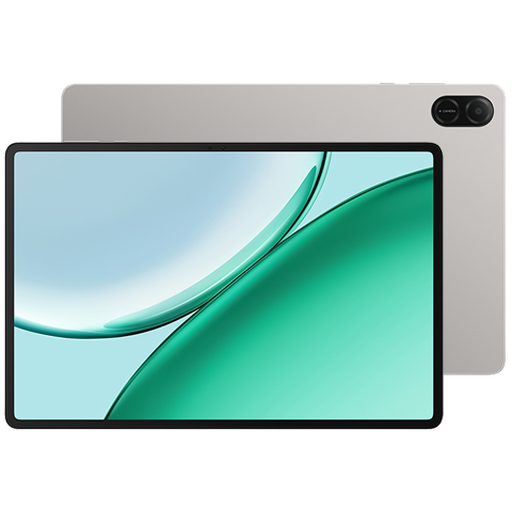 No image available
HONOR Pad X8b tablet, 128 GB, Space Grey
A tablet option for viewing digital sources at the table.
The product name specifies 128 GB of storage.
View at Joybuy
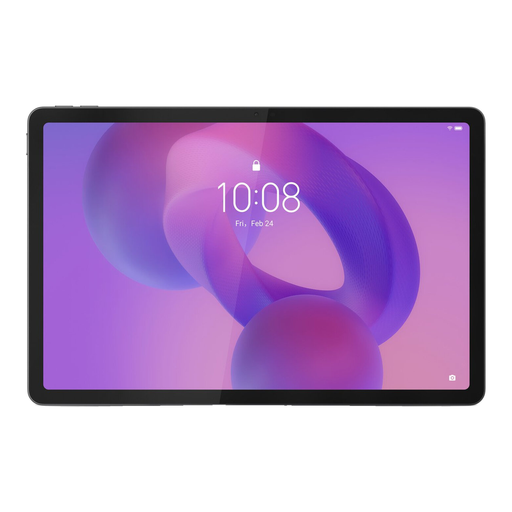 No image available
Lenovo Idea Tab, 11 inches, 256 GB, with stylus
Worth considering if you want to annotate passages as you read.
The product name specifies an 11-inch tablet, 256 GB of storage, Wi-Fi, Android 15 and a stylus.
View at Joybuy
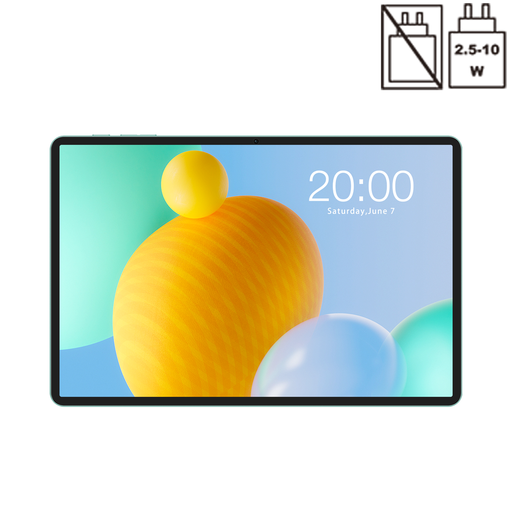 No image available
TECLAST P50, 11 inches, Android 16, 128 GB
An 11-inch model for viewing digital sources at a shared table.
The product name specifies 128 GB of storage, a 90Hz IPS screen and an 8000 mAh battery capacity. The stated 32 GB RAM is listed as 6 GB + 26 GB virtual.
View at Joybuy
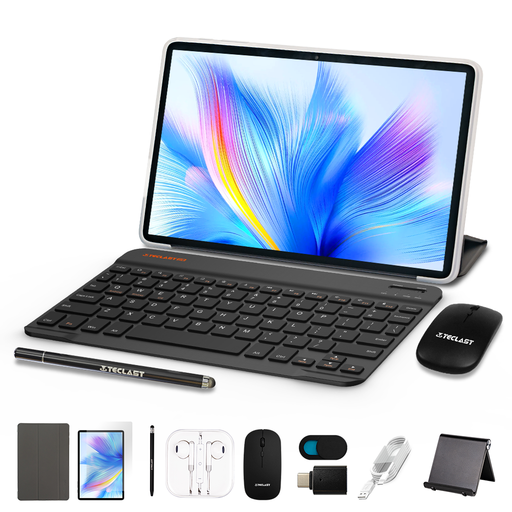 No image available
TECLAST P50TCase, 11 inches, Android 16, 128 GB
A model to include in your comparison for reading digital sources at the table.
The product name specifies a 90Hz IPS screen, 128 GB of storage and an 8000 mAh battery capacity. The stated 16 GB RAM is listed as 3 GB + 13 GB virtual.
View at Joybuy
 No image available
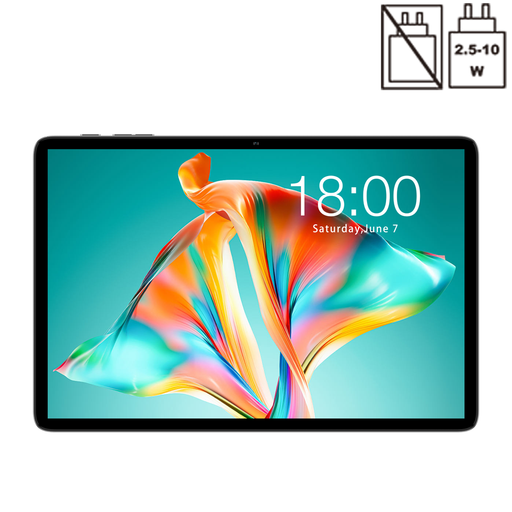
TECLAST P30T, 10.1 inches, Android 16, 128 GB
A tablet option to compare if you want to view digital sources at the table.
The product name specifies 128 GB of storage, microSD support, an HD screen with 120 Hz and a 6000 mAh battery capacity. The stated 16 GB RAM is listed as 3 GB + 13 GB virtual.
View at Joybuy
Frequently asked questions
Is a tablet or laptop more convenient for long source descriptions?
A tablet can work well if you mainly want to read and make short notes. The Consumers’ Association says a laptop is more convenient if you work with a lot of text; if possible, try the archive website and the document format you use most often.
Can I charge my tablet and get online in the reading room?
That depends on the location. Rotterdam City Archives lists Wi-Fi and power sockets for personal devices; the National Archives lists Wi-Fi and tables with power sockets. Don’t assume that another local archive offers the same facilities.
Can I photograph archival documents with my tablet?
First check the rules of the institution you’re visiting and the requirements for the specific material. The National Archives allows public records to be photographed under certain conditions, but prohibits photos and scans of records with restricted public access. This isn’t blanket permission for other archives.
Can I share scans containing personal data online?
Not automatically just because you were allowed to view or photograph the scan. The Dutch Data Protection Authority explains that a valid legal basis is needed to publish personal data online, and that the exemption for purely personal or household use has specific conditions. Also check the archive’s terms for the image or scan.
What warranty applies to a tablet I buy in the Netherlands?
According to the Dutch government, you’re entitled to a product that works properly, and the seller is your point of contact if something is wrong. The Netherlands doesn’t have a fixed statutory warranty period of two years; what you can expect from a product depends on the product and the circumstances.


