Start with a tablet that supports your rhythm game and is comfortable to use on a bus seat. A smaller model is easier to handle, while a larger screen can give you more room to play. A high refresh rate alone doesn’t guarantee better timing or a higher frame rate in your game. Also check the audio connection, battery use and whether your game needs an internet connection while you’re travelling.
Who is a tablet for rhythm games on the bus for?
Player with limited seat space
Plays with the tablet in their hands or on their lap and wants to tap notes without the size and weight getting in the way. Apple Netherlands lists the Wi-Fi version of the iPad mini as weighing 293 grams; the Consumers’ Association describes small tablets as compact and convenient for travelling.
Timing-focused rhythm game player
Wants to assess their game and audio setup for touch controls and timing, rather than relying solely on the stated refresh rate. Lenovo and OnePlus publish screen specifications for specific models, but these don’t determine how a particular rhythm game will perform.
Player on long bus journeys
Wants to plan ahead for battery use, game files and the connection the game needs while travelling. The Consumers’ Association lists performance, screen quality and battery life as factors to consider when choosing a gaming tablet; the settings and connection you need also depend on your game.
What should you look for when choosing?
Compact iPad
Best for: if your rhythm game is available on iPadOS and you’d rather hold the device than have a larger playing area.
Consider: the smaller playing area needs to suit the notes and controls in your game. If you’re switching operating systems, also check audio compatibility and whether you’ll need to buy apps again.
Compact Android gaming tablet
Best for: if you need Android and want a compact screen with a high stated refresh rate.
Consider: 165 Hz is a screen specification, not a confirmed frame rate or touch response time for your rhythm game.
Larger Android tablet
Best for: if larger touch targets or use beyond gaming matter more to you than having a small device.
Consider: a larger screen takes up more room on a bus seat. Wi-Fi and 5G are different versions, so check which one you need if you want mobile internet without a separate device.
Extra-large screen
Best for: if you can position the tablet securely during your journey and deliberately want more room to play.
Consider: according to OnePlus, the OnePlus Pad 3 weighs 675 grams and uses USB-C for audio; check that the size and connection suit your setup.
| What to consider |
What to check before buying |
Who is this important for? |
| Size and ease of handling |
Compare the screen size, weight and position of the notes in your game. |
If I’m playing in a cramped bus seat, I want to be able to hold the tablet and tap the notes comfortably. Around 25% of consumers choose mainly based on ease of handling. |
| Touch controls and display |
Check that your game is available for the operating system and, if possible, try the controls with your settings. |
If my score depends on accurate taps, I want to assess the controls in my own game instead of looking only at the refresh rate. Around 25% of consumers prioritise how a game handles. |
| Play time while travelling |
Check the battery details and charging options, bearing in mind your brightness, game and connection. |
On a long journey without a guaranteed place to charge, I want to work out in advance whether the tablet has enough battery for my needs. Around 20% of consumers choose mainly based on play time while travelling. |
| Game audio |
Check the connection on the exact version and test your chosen headphones with your timing settings. |
If I play with headphones, I want a connection that suits my setup and audio I can assess with my game. Around 15% of consumers prioritise their audio setup. |
| Connection and storage |
Check your game’s connection requirements and storage needs; distinguish between Wi-Fi, a hotspot and mobile internet. |
If my game needs data while I’m travelling, I want to know in advance what connection and storage my needs require. Around 15% of consumers choose mainly based on connection and storage. |
Things to watch out for when buying
-
Assuming a high refresh rate means low lag is guaranteed
The stated refresh rate and the actual performance of your rhythm game are two different things. A Hz rating doesn’t tell you what frame rate or input lag the game will achieve.
Assess the game, controls and audio together. Don’t base your choice solely on a higher stated refresh rate.
-
Choosing a large screen without considering how you’ll play
A larger screen gives you more room to play, but can be harder to hold or position on a bus seat.
Compare the size and weight with the position you’ll actually play in during your journey.
-
Treating Wi-Fi, 5G and game availability as one buying consideration
A mobile connection doesn’t automatically make a game available on a different operating system. If you switch, you may need to buy some paid apps again.
First check the game version and connection requirements; then choose between Wi-Fi, a phone hotspot or a 5G version.
Brands worth considering
Apple
The iPad mini is a compact iPadOS option for games available on that platform.
- Apple lists an 8.3-inch screen and a weight of 293 grams for the Wi-Fi version.
- There’s less room to play than on a larger screen. If you switch operating systems, you may need to buy some paid apps again.
Lenovo
The Legion Tab range includes compact Android gaming tablets; the specifications below apply to the Legion Tab Gen 3.
- Lenovo lists an 8.8-inch, 165 Hz screen and 12 GB RAM for the Gen 3.
- These specifications don’t determine the frame rate or timing performance in a particular rhythm game.
Samsung
The Galaxy Tab S10 FE is a larger Android option available in different versions, including a 5G model.
- Samsung lists a 10.9-inch screen with a 90 Hz refresh rate for the S10 FE.
- The larger size needs more room on a bus seat. Wi-Fi and 5G are different versions.
OnePlus
The Pad 3 is an extra-large Android option for anyone who values screen space over portability.
- OnePlus specifies a 13.2-inch screen with a refresh rate of up to 144 Hz.
- According to OnePlus, the device weighs 675 grams and uses USB-C for audio. Its screen specifications don’t prove how well it performs in rhythm games.
Tablets for rhythm games on Joybuy
Below are Android tablets with a range of screen sizes. Compare the size with your available seat space and check that the connection, storage and audio suit your game.
 No image available
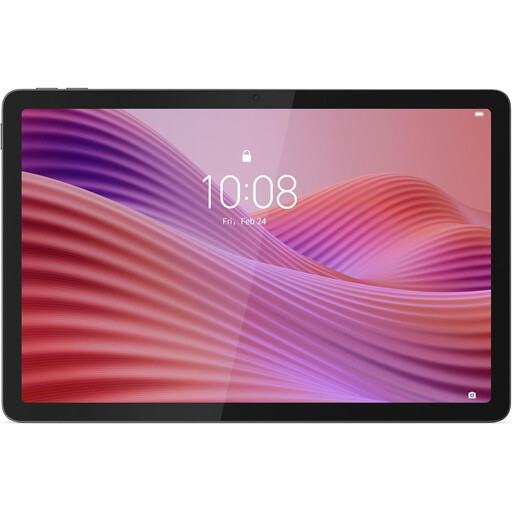
Lenovo Tab 4G Mediatek LTE, 128 GB, 10.1 inch
An Android tablet with a 10.1-inch touchscreen; compare this size with the space available on your bus seat.
4 GB RAM, 128 GB storage, a 5100 mAh battery and a stated weight of 425 g. The product information lists Android 14 or later, 4G LTE and a Nano-SIM slot.
View on Joybuy
 No image available
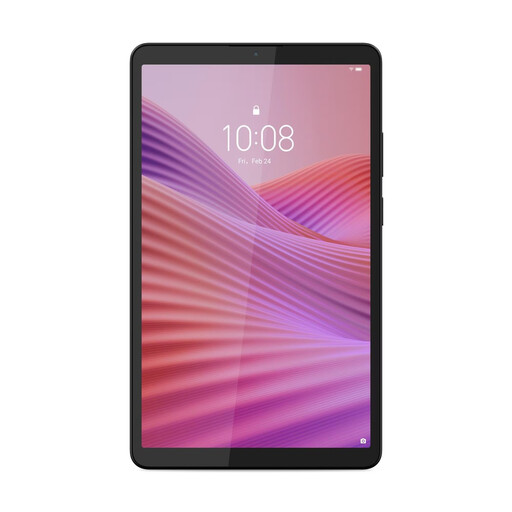
Lenovo Tab One, 8.7 inch, Wi-Fi, 128 GB, Luna Grey (ZAF00221GR)
The 8.7-inch touchscreen could suit anyone who wants a smaller screen to hold on a bus journey.
4 GB RAM and 128 GB storage; the product information lists expandable storage via microSD. Check that there’s enough space for your game files.
View on Joybuy
 No image available
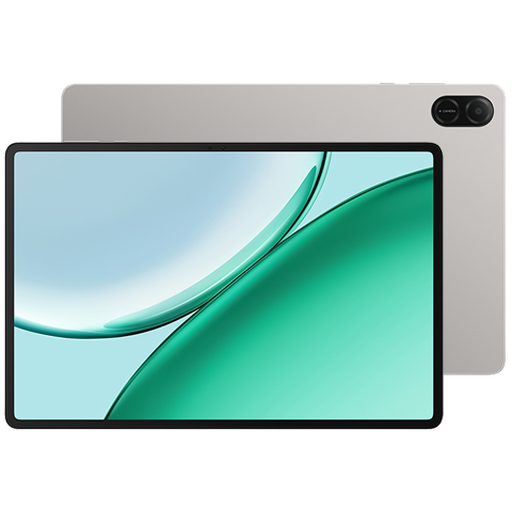
HONOR Pad X8b, 128 GB, Space Grey
The 11-inch version gives you a larger touch area, but takes up more room on a bus seat than a tablet with a smaller screen.
The product specifications list Android with Google services, 128 GB storage, a refresh rate of up to 90 Hz and a battery capacity of 10100 mAh. Battery capacity alone doesn’t tell you how long your game will run.
View on Joybuy
 No image available
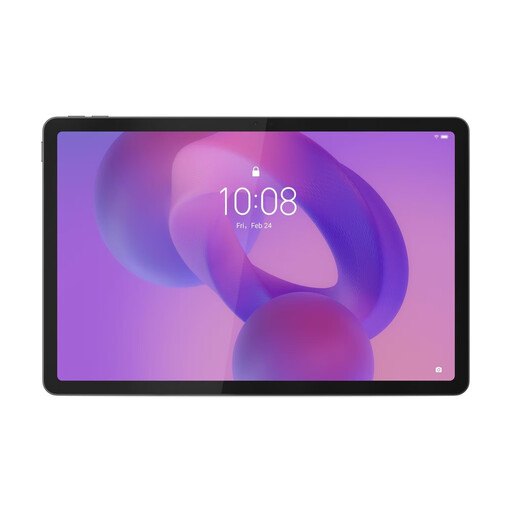
Lenovo Tab K11 Gen 2, 11 inch, 2.5K (ZAFS0069CZ)
The 11-inch screen gives you a larger playing area, but needs more room on a bus seat than a more compact tablet.
The product information lists an IPS touchscreen with 2.5K resolution, a refresh rate of 90 Hz and a battery capacity of 7040 mAh. There’s a microSD slot for expandable storage; battery capacity alone doesn’t determine play time.
View on Joybuy
 No image available
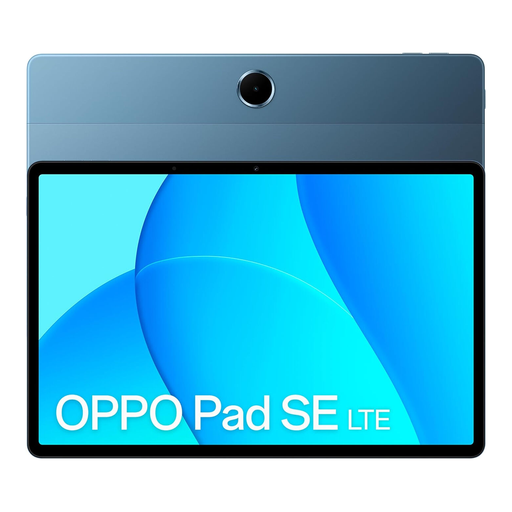
OPPO Pad SE, 128 GB, 6 GB RAM, Twilight Blue, LTE (OPD2420 EUN)
This Android tablet has an 11-inch screen; bear in mind how much space you’ll need to use it on a bus seat.
The product information lists an LCD screen, Android 15, a 9340 mAh battery and LTE with a SIM card slot. The stated battery capacity doesn’t determine how long your game will run.
View on Joybuy
Frequently asked questions
Will a 165 Hz screen automatically improve my score?
No. The stated refresh rate describes the screen, not the frame rate or input lag your game actually achieves. Try the game with your settings and audio setup before making your decision.
What should I check before setting off?
Install and launch your game in advance, check downloads and connection requirements, charge the tablet, and try the controls and headphones with your timing settings. You can’t tell from a tablet’s specifications whether a particular game works offline.
Do I need a 5G tablet for a bus journey?
Only if your game needs a connection while you’re travelling and you want to use mobile internet directly rather than, for example, a phone hotspot. According to Your Europe, when you use mobile data while travelling occasionally in other EU countries, roaming rules generally mean you pay your domestic rate, subject to fair-use conditions. Check your mobile plan; this doesn’t tell you what coverage will be like on your route.
What are my rights if I’m unhappy with a tablet bought online or it turns out to be faulty?
For eligible online consumer purchases, you generally have a 14-day cooling-off period. You’re also entitled to a product that meets the required standard if it’s faulty. The Dutch government explains both rights and notes that the Netherlands has no general, fixed statutory warranty period of two years. The cooling-off period and your rights if a product is faulty are separate matters.
Does a tablet sold in the Netherlands need an EU energy label?
The European Commission says that energy labelling rules apply to so-called slate tablets placed on the EU market from 20 June 2025. This doesn’t necessarily apply to every model placed on the market earlier or to a tablet computer outside this product category; whether the rules apply depends on the product.


