
Reader of borrowed e-biographies
You want to borrow biographies through the Online Library. So, before choosing a device, check the format your titles are available in and the app requirements.


For reading biographies in the library, a compact tablet is handy if you often hold it or take it with you. A larger screen gives you more room for photos, documents and notes. E-paper may suit you if you mainly read continuous text, but first check that your chosen borrowed title is available in that format and that the device supports the required app. The Online Library specifies Android 10 or iOS 16 as the minimum for its app, and reported a temporary issue with e-reader downloads on 21 October 2026.
You want to borrow biographies through the Online Library. So, before choosing a device, check the format your titles are available in and the app requirements.
You take your reading device to the library or read with it in your hand. The size and weight will help determine how practical a compact or larger model is for you.
You want to view photos, documents or your own notes, and are weighing up the extra screen space against a larger, less compact device.
First check the title and how you’ll borrow it. Then decide how much you value portability, room for images or a screen designed mainly for text.
| What to consider | What to look for when buying | Who is this important for? |
|---|---|---|
| Access to the biography you want | Search for the title and check which format it’s available in. The Online Library app requires at least Android 10 or iOS 16. | If I want to read a borrowed biography, I first check that the title is available through the reading option I’ve chosen. Around 40% of consumers say access to borrowed titles is their main concern when buying. |
| Portability and comfort in the hand | Compare the weight and dimensions of the exact version, and consider how long you’ll hold the device at a time. | If you often take your tablet with you or read while holding it, size and weight may be key factors. Around 30% of consumers prioritise portability and comfort in the hand. |
| Room for images and notes | View a representative biography on the screen size you’re considering. Also check whether it supports a stylus and whether the stylus you want is included. | If I want to look at photos, documents or my own notes, screen space matters more to me than having the smallest possible device. Around 20% of consumers say images and notes are their main concern when buying. |
| A screen for continuous reading | Compare e-paper with a regular tablet, and check in advance that your chosen library title and borrowing option work on the device you’re considering. | If you mainly read long passages and don’t need many other tablet features, e-paper may be worth considering. Around 10% of consumers prioritise comfortable text reading. |
Not every title is available in every format. You’ll also need a suitable library membership to borrow e-books.
First search for a few titles you want to read. Then check their format, the app requirements and the type of membership you need.
Different conditions apply to e-reader downloads and reading in an app. On 21 October 2026, the Online Library reported a temporary issue with e-reader downloads.
Check the current service status and how you plan to borrow books before choosing an e-paper device.
A compact device is easier to take with you, but offers less screen space than a larger model.
View a biography with representative photos or documents on the screen size you’re considering, then weigh that against portability.
The Tab One is an example of a compact Android tablet for taking with you or reading while holding it.
The Galaxy Tab A11 is an example of a compact Android tablet.
The iPad (A16) is a larger tablet option for anyone who values screen space and note-taking.
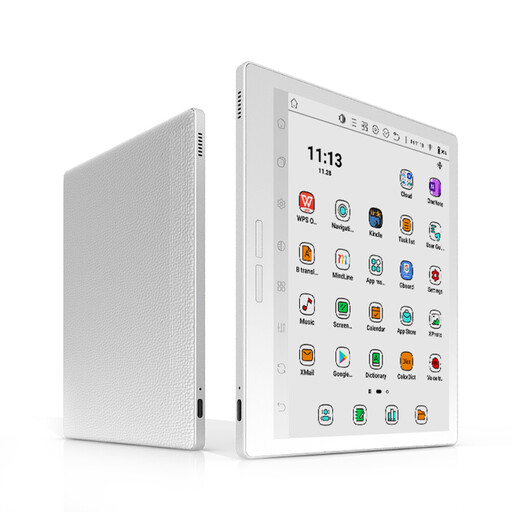
The Go 7 is an example of an e-paper device for readers who mainly want to read black-and-white text.
These product picks include e-paper devices for reading, as well as compact and larger tablets for biographies, depending on the screen space and reading option you need.
 No image available
An option to consider if you mainly read continuous text and also want to view colour illustrations.
7-inch colour e-ink screen, 4+64GB, 300 ppi and a front light with 36 brightness levels.
On 21 October 2026, the Online Library reported a temporary issue with e-reader downloads. Check the current borrowing options.
 No image available
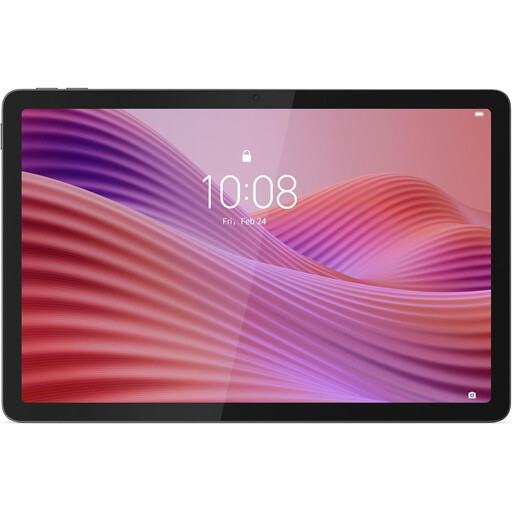
A larger Android tablet option if you want more screen space for photos, documents or reading at a table.
10.1-inch screen, 4 GB RAM, 128 GB storage, Wi-Fi 5 (802.11ac) and Android 14.
The Online Library specifies Android 10 as the minimum for its app. Also check that the title you want is available in the app.
 No image available
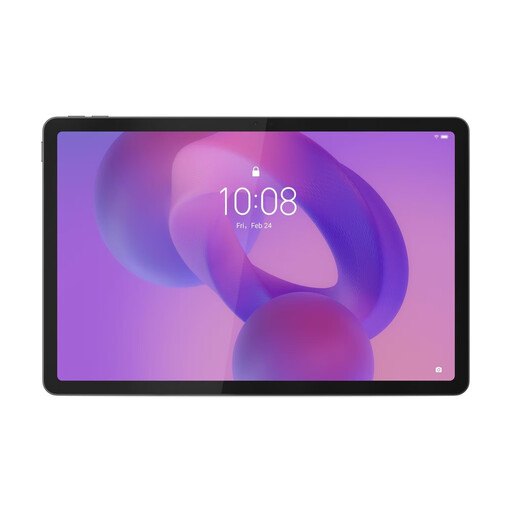
A larger tablet to consider if you want extra space for illustrated pages or documents.
11-inch Android tablet with MediaTek Dimensity 6300.
 No image available
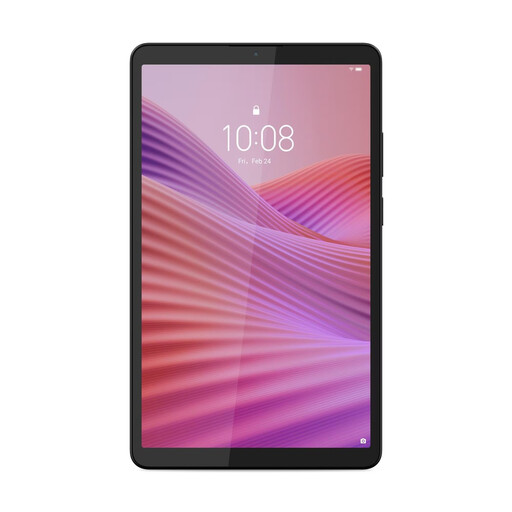
A compact tablet option if you often take your device with you or hold it while reading.
8.7-inch Wi-Fi tablet with 4 GB RAM and 128 GB storage.
The Online Library specifies Android 10 as the minimum for its app. Check that the titles you want are available in the app.
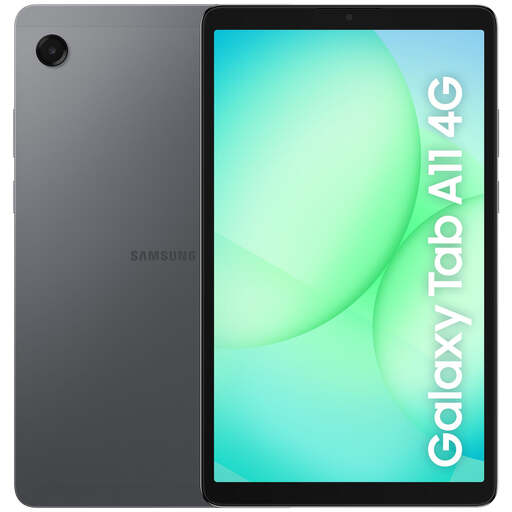 No image available
A compact tablet option if portability matters to you. Check that it supports the library app you want and that your chosen title is available.
8.7-inch tablet with LTE, 4 GB RAM and 64 GB storage.
No. Check which format each title is available in. The Online Library app requires at least Android 10 or iOS 16, while e-reader downloads have different requirements. The Online Library reported a temporary issue with e-reader downloads on 21 October 2026, so check the current status.
Install the app on a compatible device and sign in with your library details. If you need to accept terms and conditions the first time you sign in, the Online Library says you must do this on its website, not in the app.
According to ACM ConsuWijzer, online purchases generally come with a statutory cooling-off period of up to 14 days after delivery. You’re also covered by the statutory guarantee if, under normal use, the product doesn’t meet the standard you could reasonably expect. The seller is responsible for resolving this.