For a photo archive you can use between client visits, start by choosing a tablet that suits the way you import files, keep them available locally and transfer them back to your main archive. Then decide how much screen space and portability you need, and check that your apps, file formats and accessories work with it. For demanding desktop photo editing, the Consumers’ Association says a laptop is more convenient. If business photos include identifiable people, also consider how your organisation manages access, security and backups.
Who is this approach for?
Selecting photos on the go
You import photos after a visit and want to be able to find your selection even without an internet connection. Apple explains how to import photos into Photos from a camera or SD card. Test the whole process, from import to your main archive, using your own equipment and app.
Showing your work to clients
You use your archive to discuss images on the spot. A larger screen gives you more room to view photos, while the Consumers’ Association notes that tablets measuring 12 to 14 inches are less convenient to carry around.
Keeping your existing workflow
Choose based on the software and file organisation you already use, not just screen size. Above all, check that the apps and export steps you need work on the tablet. A tablet won’t automatically replace every desktop workflow.
What should you look for when choosing?
| What to consider |
What should you look for? |
Who will find this important? |
| Importing and offline access |
Test importing from your camera or card, finding files and exporting while the tablet is offline. Apple explains how to import from an SD card to an iPad using a suitable card reader or adapter. |
After a client visit, I want to be able to open and find my selection without an internet connection. Around 28% of consumers prioritise offline import and access. |
| Showing photos to clients |
View your own photos on the screen size you prefer. The Consumers’ Association notes that tablets measuring 12 to 14 inches are less convenient to carry around. |
When I discuss photos with a client, I want us to be able to view the images comfortably together. Around 22% of consumers prioritise presenting to clients above all else. |
| Portability |
Compare the dimensions and weight of the complete set you’ll be carrying, including the case and any other accessories you need. |
Between appointments, I want a work setup that’s easy to carry, even if it means having less screen space. Around 17% of consumers prioritise portability. |
| Existing software and files |
Check that your essential app, app version and file formats work on the exact model, and that you can export files to your main archive. |
I want to keep using my current archive software and file organisation, rather than changing the way I work. Around 17% of consumers prioritise software continuity. |
| Protecting client images |
If photos show identifiable people, assess the access settings, updates and recoverable backups your organisation needs. The Dutch Data Protection Authority considers identifiable people in photos to be personal data. |
When client photos show identifiable people, I want to know in advance how access and backups will be managed. Around 16% of consumers prioritise protecting these images. |
Pitfalls to avoid when buying
-
Confusing cloud storage with offline access
With iCloud Photos and ‘Optimise Storage’, some originals may be stored in iCloud rather than on your iPad. A selection you can’t open locally may not be available on the go without a connection.
Before you leave, check which files are stored locally and go through your entire archive process once without an internet connection.
-
Choosing based on screen size alone
A larger screen gives you more room to view images together, but according to the Consumers’ Association, a tablet measuring 12 to 14 inches is less convenient to carry around.
Compare the display and how easy it is to handle using your own photos and the accessories you’ll actually be carrying.
-
Assuming a tablet can handle every desktop photo task
The Consumers’ Association says a laptop is more convenient for demanding photo and video editing. Switching over may also mean changing your software or workflow.
Test your essential app, file format and export steps before replacing your main computer.
-
Forgetting a required card reader or separately sold keyboard
You may need a suitable card reader or adapter to import from an SD card to an iPad. Microsoft says the keyboard for the Surface Pro 12-inch, 2nd Edition, is sold separately.
Check the connections and what’s included in the box for the model you’re considering.
Brands to consider
Apple
An iPadOS option for importing and selecting photos as part of an iPad-based workflow.
- Apple explains how to import into Photos from a camera or SD card. The UK specifications for the 11-inch iPad Air M4 list USB-C and storage options from 128 GB to 1 TB.
- A suitable card reader may be needed for SD imports. With iCloud Photos and ‘Optimise Storage’, some originals may be stored in iCloud; check which files are available locally.
Samsung
The Galaxy Tab S11 is an 11-inch Android option. The UK Wi-Fi model is listed with 256 GB of storage.
- Samsung lists this model’s screen size, Wi-Fi version and storage capacity.
- Check that your own archive app, card reader and file formats work with the exact model you choose.
Lenovo
The Idea Tab Pro Gen 2 is a larger Android option for anyone looking for extra screen space when selecting images.
- Lenovo lists a 13-inch screen for this product line and a UK model with 256 GB of storage.
- More screen space means weighing up how easy it is to carry. Check which model and accessories are included in the box.
Microsoft
The Surface Pro 12-inch, 2nd Edition, is a Windows 2-in-1 for workflows that require Windows.
- Microsoft describes using it as a tablet or as a laptop with a compatible keyboard.
- The keyboard and Slim Pen are sold separately. Also check that your existing apps and peripherals work with the model you choose.
Tablets for your photo archive
Joybuy tablets to help you organise and find photos between client visits.
 No image available
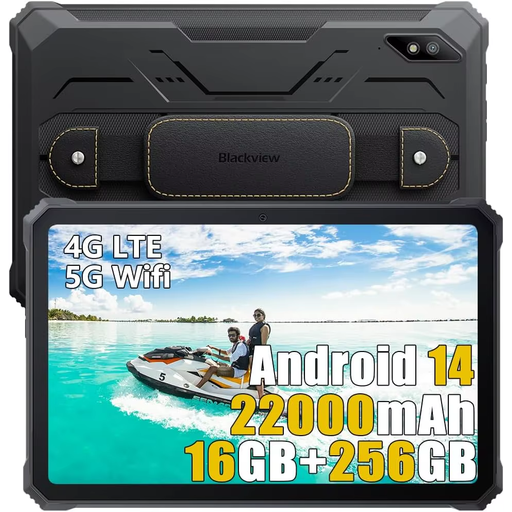
Blackview Active 8 Pro, 16 GB (8 GB + 8 GB) + 256 GB, black
An Android tablet to consider if you want to organise a selection from your archive while on the go. Test your own import and offline workflow on the model you choose.
The product name lists 256 GB of storage, a 10.36-inch screen and Android 13.
View at Joybuy
 No image available
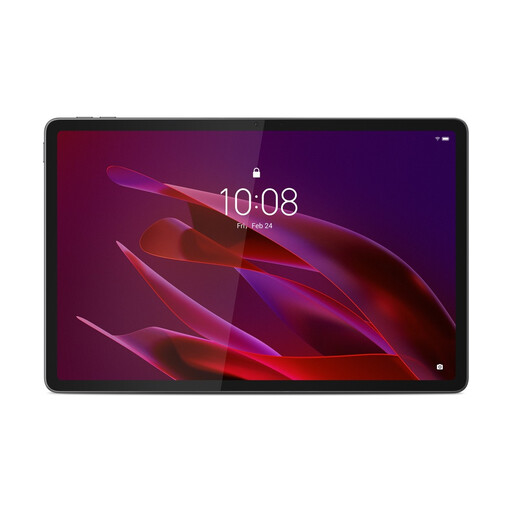
Lenovo Yoga Tab ZAG60028PL, 11.1-inch, 8 GB RAM and 256 GB, Luna Grey, with Tab Pen Pro
An Android tablet to consider if you want to view photos on a larger screen and need 256 GB of storage. Check that your archive app and import method work with it.
The product name lists an 11.1-inch 3.2K screen, 144 Hz, Snapdragon 8 Gen 3, 8 GB RAM, 256 GB of storage and Android 15.
For SD imports, you’ll need to allow for an external card reader. Check in advance which card reader and connection suit your workflow.
View at Joybuy
 No image available
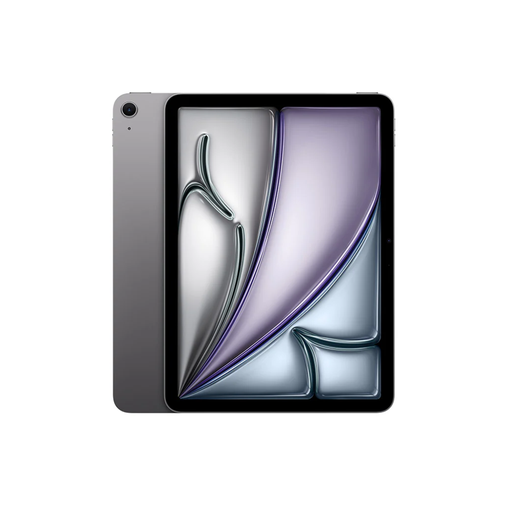
Apple 11-inch iPad Air (M4), Wi-Fi, 256 GB, Space Grey (2026)
An iPadOS option if importing into Photos fits your workflow. Apple explains how to import from a camera or SD card using suitable connection accessories.
The product name lists an 11-inch screen and 256 GB of storage. An SD card reader or adapter may be needed for imports; also check which originals are available locally.
View at Joybuy
 No image available
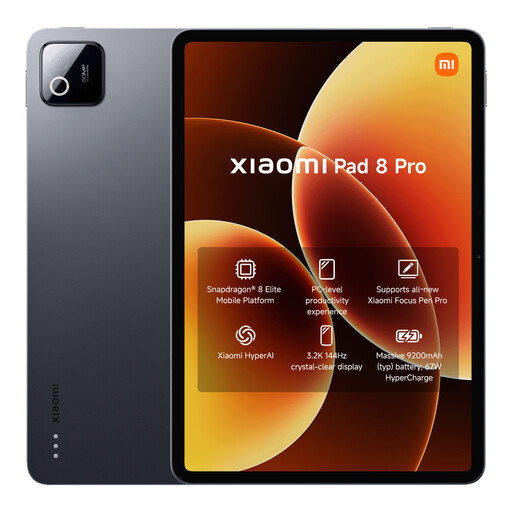
Xiaomi Pad 8 Pro, grey, 12 GB RAM and 512 GB ROM
An option to compare if available archive space is a key consideration. Check the app, import method and offline access for your own workflow.
The product name lists 12 GB RAM and 512 GB ROM.
View at Joybuy
 No image available
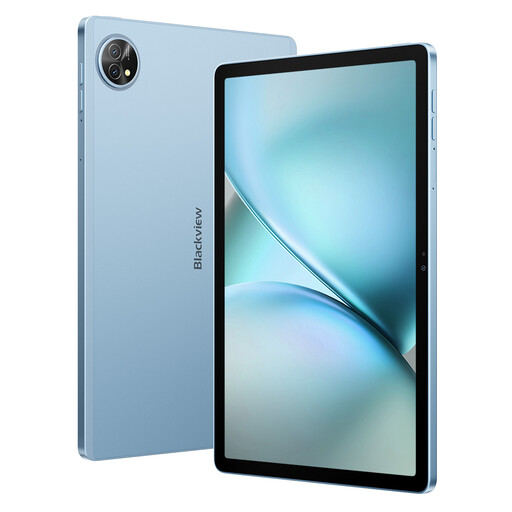
Blackview Zeno 10, 11-inch, 24 GB (8 GB + 16 GB) RAM and 128 GB ROM, blue
A tablet to consider if you want to organise photos on the go. Compare the listed storage capacity with the size of the files you want to keep locally.
The product name lists an 11-inch screen, 24 GB (8 GB + 16 GB) RAM and 128 GB ROM.
View at Joybuy
Frequently asked questions
Can you use an SD card directly to organise photos on an iPad?
To import to an iPad, Apple recommends using a suitable card reader or adapter. Check the connection and test whether importing and exporting also work with your archive app and file format.
How can you make sure your photos are available on the go without an internet connection?
Before you leave, check which originals are stored locally on the tablet. Apple warns that with iCloud Photos and ‘Optimise Storage’, some photos or videos may be stored in iCloud rather than on the iPad. Test offline access with the selection you need.
Do you need a separate card reader, pen or keyboard?
That depends on how you import and work. Apple recommends a suitable card reader or adapter for importing from an SD card to an iPad. Microsoft says the keyboard and Slim Pen for the Surface Pro 12-inch, 2nd Edition, are sold separately. Check what’s included in the box for the model you choose.
What should you consider when business photos show identifiable clients?
According to the Dutch Data Protection Authority, identifiable people in photos are personal data. For business use, an organisation must determine the applicable lawful basis and appropriate security measures. A tablet model alone is no proof that a photo archive complies with the GDPR.


