If you mainly read scans and PDFs with a fixed page layout, choose a tablet that lets you view and enlarge the text and footnotes comfortably. For reflowable e-books, a more compact device may be enough. A standard tablet offers a different reading and app experience from an e-ink tablet, so also consider screen lighting, using a pen, handling and offline access. The Consumers’ Association warns that A4 PDFs can be difficult to read on small e-reader screens and that text reflow can affect the layout.
Who is this buying guide for?
Readers of scans and PDFs
If you read philosophy texts with footnotes or a fixed page layout, look for enough screen space to view the whole page and zoom in when needed. The Consumers’ Association explains how a small screen and text reflow can make A4 PDFs harder to view.
Readers who annotate passages
If you highlight arguments or make notes in the margins, check that your files and reading app support pen annotations, and whether the relevant version comes with a compatible pen. Apple, Samsung, Lenovo and BOOX describe pen support for specific models or versions.
Readers on longer bus journeys
For reading on the bus, screen lighting, how comfortable the tablet is to hold and access to books without an internet connection are all worth considering. Check the exact screen version and download your books before you set off; Rakuten Kobo lists separate conditions for offline reading in the Kobo Books app.
What should you look for when choosing?
Start with the file format you read most often. Then compare the pen, screen and access to your books while you’re on the move.
| What matters |
What to look for |
Who should pay extra attention? |
| Keeping PDF layouts readable |
Open a representative PDF and check how pages, footnotes and zooming look. The Consumers’ Association points out that A4 PDFs can be difficult to read on small screens. |
If I read scans with footnotes, I want to be able to view the page without constantly zooming in. Around 33% of consumers give PDF layout their top priority. |
| Highlighting passages |
Check pen compatibility, what’s included in the box and whether annotations can be saved in your file format. |
If you want to underline arguments or add notes in the margins as you read, you’ll benefit most from a pen, app and file that work well together. Around 25% of consumers put annotation first. |
| Holding the tablet and reading in changing light |
Try holding the tablet to assess its size and check whether the exact version has screen lighting. BOOX lists a front light for the Lumi version of the Go 10.3 (Gen II), but not for the version without Lumi. |
On a bus seat, I want to read comfortably, even when the light changes. For around 25% of consumers, handling and lighting matter most. |
| Opening books offline |
Check that your reading app supports your file formats and download your books in advance. Then open them without an internet connection to test them. |
If I don’t want to rely on an internet connection while travelling, I want to be able to open my own books in advance. Around 17% of consumers give offline access their top priority. |
Common mistakes
-
Assuming every philosophy text works like a standard e-book
With scans that have a fixed page layout, footnotes and text can be difficult to view on a small screen. The Consumers’ Association also warns that text reflow can affect the layout.
Before you buy, try one of your own scans, including its footnotes, and check how the page is displayed.
Zooming in frequently can interrupt your reading and make the page layout less practical.
-
Assuming pen support means a pen is included
Compatibility doesn’t automatically mean a pen is in the box. Apple lists Pencil support for the iPad (A16), but doesn’t include a Pencil in the listed box contents.
Check pen compatibility and the box contents for the exact version.
If you want to write on the screen, you may need to buy a pen separately.
-
Treating the BOOX Go 10.3 (Gen II) and the Lumi version as the same model
According to BOOX, the Lumi version has a front light; the version without Lumi does not. This difference may matter in low light.
Check the full model name and the specifications of the version you choose.
Brands to consider
Apple
The iPad (A16) we looked at is a standard tablet for anyone who wants to combine reading with document and reading apps.
- Apple specifies a backlit IPS screen and a weight of 477 g for the Wi-Fi version.
- Apple lists support for certain Apple Pencils, but no Pencil in the box contents listed. Check the accessories included with the version you choose. Source: Apple Netherlands.
Samsung
The Galaxy Tab S10 FE is an Android tablet range where pen use may be useful for annotating texts.
- Samsung describes the Tab S10 FE as having a 10.9-inch screen and S Pen support.
- Check the version and accessories for the specific country, model code and packaging you choose; these details don’t automatically apply to other Galaxy Tabs. Source: Samsung Netherlands.
Lenovo
The Dutch Tab M11 version we looked at is an Android tablet for reading and writing with a pen.
- For the selected Wi-Fi version, Lenovo lists an 11-inch IPS screen and a Tab Pen included in the box.
- Other M11 versions or bundles may have different contents; compare the product code. Source: Lenovo Netherlands.
BOOX
The Go 10.3 (Gen II) series consists of e-ink tablets for reading and annotating.
- According to BOOX, the series supports annotations in EPUB and PDF files.
- According to BOOX, only the Lumi version has a front light. Check which version you’re choosing if you read in low light; these are manufacturer specifications, not an independent performance test.
Kobo
Worth considering if you want to read books from your existing Kobo library on a tablet, or are looking at a compact e-reader as an alternative.
- Rakuten Kobo provides information about the Kobo Books app for Android and the e-book formats it supports.
- The Android app doesn’t support Kindle e-books. This information is about the app, not every Kobo e-reader. Source: Rakuten Kobo.
Joybuy tablets for reading on the go
This selection includes standard tablets for reading, along with an e-ink tablet for anyone looking for a different type of reading screen. Before choosing, compare your own files, the screen version and whether you need a pen.
 No image available
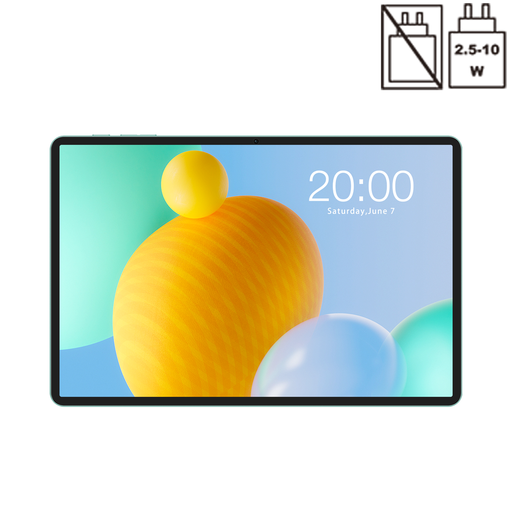
TECLAST P50 11-inch Android 16 tablet, 128 GB
A standard tablet for reading philosophy texts and other documents while you’re out and about.
The product name lists an 11-inch IPS screen, 128 GB ROM and 6 GB RAM plus 26 GB virtual RAM.
The product name also lists 4G LTE; check that the version and its use suit your travel needs.
Joybuy
 No image available
TECLAST ArtPad Pro, 12.7-inch 2K tablet, 256 GB, with stylus pen
A larger tablet option if you want to read texts and perhaps make notes.
The product name lists a 12.7-inch 2K screen, 256 GB of storage and a stylus pen included in the box.
According to the product name, the listed 20 GB RAM consists of 8 GB RAM and 12 GB virtual RAM.
Joybuy
 No image available
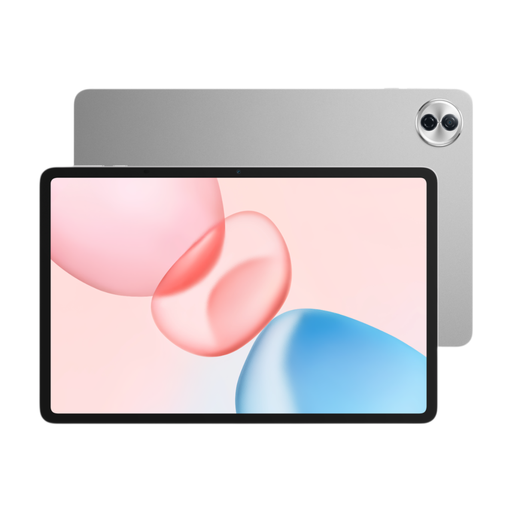
HONOR Pad 10, 12.1-inch 2.5K Android tablet, 8 GB RAM, 256 GB
An Android tablet with a larger screen for viewing philosophy texts.
The product name lists a 12.1-inch 2.5K screen, 8 GB RAM and 256 GB of storage.
Before you buy, check that the reading app and files you use will work on this tablet.
Joybuy
 No image available
iFLYTEK AINOTE 2, 10.65-inch e-ink tablet
An e-ink tablet to consider if you want a different type of screen from a standard tablet for reading philosophy texts.
The product name lists a 10.65-inch screen. Check that your books and preferred annotation features work on the version you choose.
Joybuy
 No image available
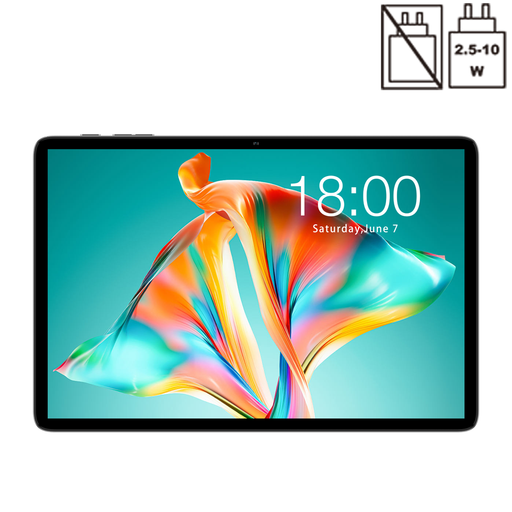
TECLAST P30T 10.1-inch Android 16 tablet, 128 GB
A tablet for reading on the go; judge the screen size against the texts you read and your own reading comfort.
The product name lists a 10.1-inch HD screen, 128 GB of storage and 3 GB RAM plus 13 GB virtual RAM.
Joybuy
Frequently asked questions
How do I get a tablet ready for a bus journey?
Download your books in advance and open them once without an internet connection. Also check that your reading app supports the file format you use. For example, Rakuten Kobo lists the formats supported by the Kobo Books app for Android and notes that Kindle e-books aren’t supported.
Do I need to buy a pen or charger separately?
That depends on the exact tablet version and what’s included in the box. For the iPad (A16), Apple lists a USB-C cable and Pencil support, but no Pencil in the listed box contents; Lenovo lists a pen for the Tab M11 version we looked at. Check the product listing for the specific model.
What are my rights if a tablet bought online doesn’t work properly?
According to the Government of the Netherlands, if a product is faulty, you should contact the seller; your statutory rights may also apply after the manufacturer’s warranty has expired. For distance purchases, you generally have a 14-day cooling-off period, subject to conditions and exceptions. Your rights depend on the circumstances.
What charging rules apply to tablets and e-readers?
Since 28 December 2024, EU rules on a common USB-C charging port have applied to tablets and e-readers covered by the regulations that can be charged by cable. The European Commission explains the conditions for when the rules apply. This doesn’t automatically mean that every tablet comes with a mains adaptor.


