
Lettering artist with an existing tablet
You want to design a card using the tablet you already own. Apple, Samsung and Microsoft specify pen compatibility by device model.


First, choose a pen that’s compatible with your exact tablet model: a pen for an iPad, Galaxy Tab, Surface or connected drawing tablet won’t necessarily work with another device. For decorative lettering with thin and thick strokes, you’ll need a pen and drawing app that support the pressure or tilt input you want to use; for simple outlines, tilt may be enough. If you’re making a card to print, check the canvas size and print settings too.
You want to design a card using the tablet you already own. Apple, Samsung and Microsoft specify pen compatibility by device model.
You want to create thin and thick strokes and are comparing pressure sensitivity with tilt sensitivity. Logitech and Samsung describe different types of pen input for their specific models.
You create lettering digitally and want to print the design in your chosen card size. Procreate links print detail to canvas size and DPI.
When is this a good fit? If your iPad supports the pen and your drawing app makes use of its extra controls for decorative lettering.
Trade-off: You won’t need the extra features for every card with simple lettering; check your iPad model’s compatibility.
When is this a good fit? If you mainly sketch or create lettering on a compatible iPad, and tilt gives you the line variation you want.
Trade-off: Logitech describes the Crayon as not pressure-sensitive; the Apple Pencil (USB-C) charges via a USB-C cable.
When is this a good fit? If you already have a compatible Galaxy Tab; Samsung specifies the S11-series pen covered here for the Tab S11 and Tab S11 Ultra.
Trade-off: The name S Pen alone doesn’t confirm that a pen will work with every Galaxy Tab model.
When is this a good fit? If you’re designing your card on a Surface that supports pen input.
Trade-off: Microsoft describes pen features by Surface model; you may need a compatible device or accessory to charge it.
When is this a good fit? If you work on a computer at home and already own one of the drawing tablets listed by Huion.
Trade-off: The PW100 is designed for specific Huion drawing tablets, not as a standalone stylus for a tablet touchscreen.
| What to consider | What should you check? | Who is this important for? |
|---|---|---|
| Compatibility | Compare the full tablet name and pen version with the manufacturer’s compatibility list; for Apple, also check the required iPadOS version. | If I want to keep using my existing tablet, I want to be sure the pen will work with my model before I buy it. Compatibility is the main purchasing concern for around 36% of consumers. |
| Line variation | Check whether the pen, tablet and app support the pressure or tilt input you want. Logitech says the Crayon is not pressure-sensitive. | For brush lettering, I want to know how I can control thin and thick strokes. Control over line variation comes first for around 29% of consumers. |
| Charging and maintenance | Check how the exact pen model charges and whether you need any compatible accessories. Apple says the Pencil (USB-C) charges via a USB-C cable. | For a pen I’ll use occasionally at home, I want to get started and look after it without unnecessary extra steps. Ease of use and maintenance is the main concern for around 21% of consumers. |
| Print size | Set your canvas to the intended card size. The Procreate handbook recommends a minimum of 300 DPI for print. | If I want to print the card, I want to prepare my design in the intended size from the outset. Print preparation is the main concern for around 14% of consumers. |
Manufacturers list compatibility by pen and device model. So a pen with a familiar product name won’t necessarily work with your tablet.
Before you buy, compare the full model names of your tablet and pen with the manufacturer’s compatibility list.
If the version isn’t compatible, you may need to find another pen instead of using it to design your card.
Tilt and pressure are different ways to change a line. Logitech says the Crayon isn’t pressure-sensitive; the manufacturer describes line variation as being controlled by the pen angle.
First decide how you want to control line thickness, then check that the pen, tablet and drawing app support that input.
Apple says the Pencil Pro pairs and charges magnetically, while the Pencil (USB-C) charges via a cable. For Surface pens, charging depends on having a compatible device or accessory.
Check how the exact version charges and see which charging accessories you already have.
If your pen charges via a cable or separate accessory, you’ll need access to the right charging option.
A pen alone won’t determine whether small lettering will look good at your intended card size. The Procreate handbook links print detail to canvas size and DPI.
Decide on the card size before you start. Procreate recommends a minimum of 300 DPI for print.
If you only decide on the size afterwards, you may need to rework or reprint your design.
Pencil versions for specific supported iPads; worth considering if you’re designing your card on an iPad.
S Pen versions for compatible Galaxy devices; the S11-series pen covered here is specified for the Tab S11 and Tab S11 Ultra.
Crayon (USB-C) for iPads from 2018 onwards that are supported by Logitech.
Surface Slim Pen for certain Surface devices, for example if you’re creating your card design on a Surface you already own.
PW100 as a replacement or additional pen for the Huion graphics drawing tablets listed for use with a computer.
This selection includes pens for compatible Wacom drawing tablets, Surface devices, iPads and Galaxy Tabs. Before buying, check that the specific version works with your device.
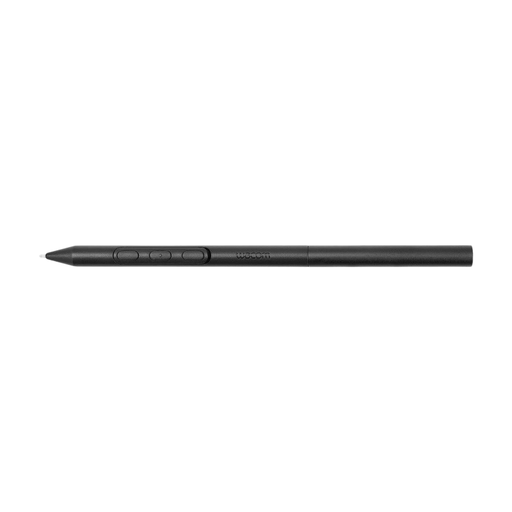 Image unavailable
Suitable for lettering on the compatible Wacom drawing tablets listed.
The pen is battery-free, with adjustable weight, grip thickness, buttons and balance point. Listed compatibility includes Wacom MovinkPad 11 and Cintiq Pro 17, Pro 22 and Pro 27 (DTH271).
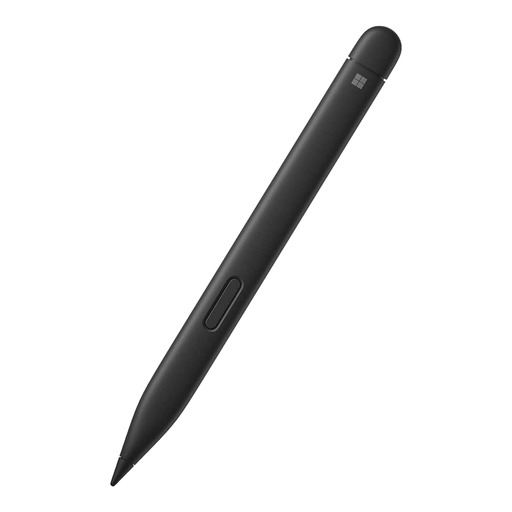 Image unavailable
For decorative lettering with pressure variation on a Surface model that supports pen input.
The product information lists 4.096 pressure levels and haptic feedback. Compatibility is listed for specific Surface models and Surface Pro 8 and Pro X Type Covers; check your own device.
 Image unavailable
For lettering with pressure- and tilt-controlled strokes on a compatible iPad.
The product information lists pressure and tilt sensitivity, as well as magnetic pairing and charging. Check that your iPad model and drawing app support these features.
 Image unavailable
For sketching and lettering where tilt is enough, on a compatible iPad.
The pen is tilt-sensitive and can be attached magnetically; pairing and charging are done via a USB-C cable.
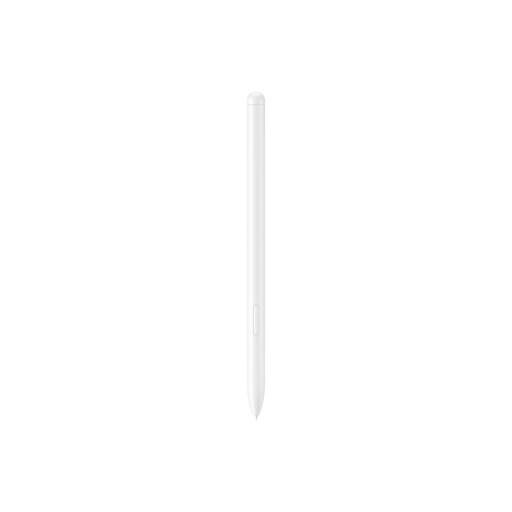 Image unavailable
For drawing and writing on a Galaxy Tab S9 FE or Galaxy Tab S9 FE+.
The product information lists magnetic storage and wireless charging. Check that your Galaxy Tab is one of the listed models.
First, find the exact model name of your iPad and compare it with Apple’s compatibility list for the specific Pencil version. Apple lists iPadOS 17.5 as the minimum for Pencil Pro and iPadOS 17.1.1 for Pencil (USB-C).
Tilt sensitivity changes the line according to the angle of the pen; pressure sensitivity responds to how hard you press. Logitech says the Crayon isn’t pressure-sensitive, so check which types of input your pen, tablet and drawing app support.
No. Apple says the Pencil (USB-C) attaches magnetically, but pairs and charges via a USB-C charging cable. So don’t assume it charges magnetically.
Set the canvas to the size of the card you want to print. If you’re using Procreate, its handbook recommends a minimum of 300 DPI for print and highlights hardware limits on enlarging images.
According to ACM ConsuWijzer, online product purchases generally come with a statutory cooling-off period of up to 14 days after delivery. Before using the product, check which terms and exceptions apply.