
Artist with an existing tablet
Before comparing drawing features, you want to know whether the pen works with your exact tablet model. Apple, Samsung and Microsoft publish compatibility information for individual devices and pen versions.


Start with your tablet’s exact model: the pens reviewed here aren’t all compatible with the same devices. For detailed illustrations, a compatible pen with the line control supported by your drawing app is a sensible choice; for simple sketches, tilt control may be enough. A stylus won’t automatically solve reflections from a bright window, so check your screen where you plan to draw.
Before comparing drawing features, you want to know whether the pen works with your exact tablet model. Apple, Samsung and Microsoft publish compatibility information for individual devices and pen versions.
You create lettering, outlines or shading, so you’ll want to check what line control the pen offers and whether your drawing app supports it. Logitech and Lenovo describe different features for specific pen models.
You want to assess your design clearly on screen in bright ambient light. Screen brightness and reflections are worth considering alongside your choice of stylus.
| Consideration | What should you look for? | Who should give this more weight? |
|---|---|---|
| Compatibility | Compare your tablet’s full model name and, where relevant, its software version with the compatibility list for the exact pen version. | If I want to keep using my existing tablet, I first need to know whether the pen works with that exact model. Around 36% of consumers put compatibility at the top of their buying concerns. |
| Line control | Check pressure and tilt features separately for the pen and app. Logitech lists tilt control for Crayon USB-C; Lenovo specifies 4096 pressure levels for Precision Pen 3. | For lettering, outlines and shading, I want to know what line control my pen and drawing app offer together. Around 29% of consumers prioritise expressive card illustrations. |
| Visibility in window light | Check your screen where you work. Apple describes manual and automatic brightness settings for iPad; Samsung lists an anti-reflective screen protector for specific Galaxy Tab models. | When I draw beside a bright window, I need to be able to assess my design on screen; a different stylus won’t automatically solve reflections. Around 21% of consumers put visibility first. |
| Charging and maintenance | Check how the pen charges and what’s included. Apple lists magnetic charging for Pencil Pro and USB-C charging for Pencil USB-C; Samsung includes two pen tips and a replacement tool with Creator Edition. | I want to get started easily when I’m designing and know how to charge the pen and replace its tips. Around 14% of consumers put ease of use and maintenance at the top of their buying concerns. |
A pen for iPad, Galaxy or Surface won’t necessarily work with every device from that brand. For example, Microsoft lists Surface models that don’t support pen input.
Before comparing other features, check the manufacturer’s compatibility information against your tablet’s full model name and the exact pen version.
Reflections depend on the screen and the light around you; a stylus isn’t a general solution. Apple describes brightness settings for iPad, while Samsung offers an anti-reflective protector for specific tablet models.
First, assess your existing screen where you work. If you’re considering a screen accessory, check that it’s suitable for your exact tablet model.
Tilt control and pressure control are different features. Logitech lists tilt control for Crayon USB-C; Lenovo specifies pressure levels for Precision Pen 3.
Decide what kind of line control your illustration style needs, then check the features of the exact pen, tablet and drawing app separately.
Apple Pencil versions are designed for specific iPads, and features vary by model.
S Pen versions are designed for compatible Galaxy devices; Samsung presents Creator Edition as a pen for drawing and writing.
According to Logitech, Crayon USB-C is designed for writing and sketching on compatible iPads.
Precision Pen 3 is designed for Lenovo tablets with confirmed compatibility.
Surface Slim Pen is designed for Surface devices that Microsoft lists as supporting pen input.
This selection includes tablet pens for drawing and sketching, with versions for iPad and Surface. Before buying, check that the pen is suitable for your tablet’s exact model.
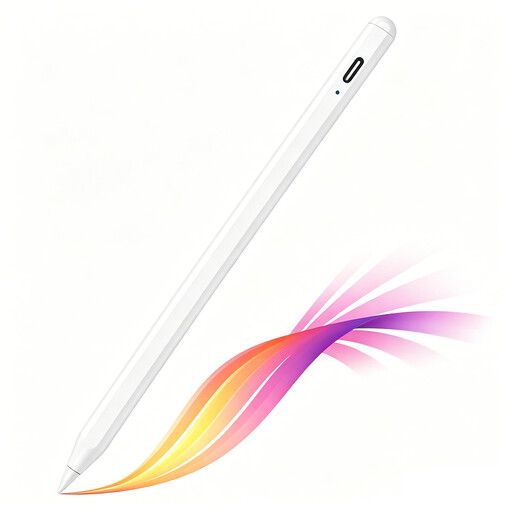 Image unavailable
For sketches where changing the line with the angle of the pen matters: this version lists tilt detection and palm rejection, but not pressure sensitivity.
The product name lists USB-C charging and compatibility with selected iPad models; check that your exact model is supported.
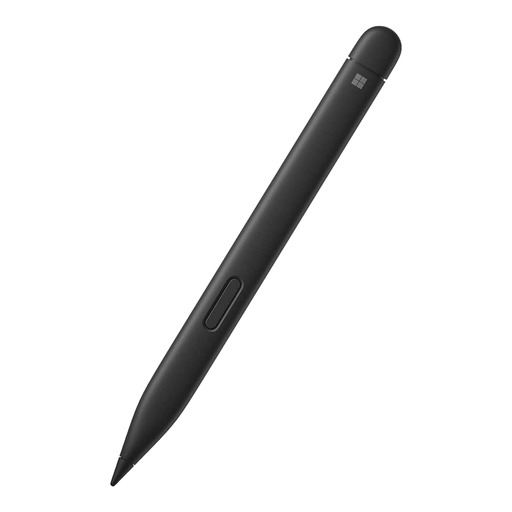 Image unavailable
An option for drawing with a Surface setup that supports pen input. The product information lists Surface Pro 8 and Surface Pro X Type Covers; check that your complete setup matches.
 Image unavailable
For illustrations with varied lines and brush direction, Apple lists pressure and tilt sensitivity, squeeze control and barrel roll for Pencil Pro.
Apple lists magnetic pairing and charging. Check that the pen is compatible with your exact iPad model.
 Image unavailable
For sketching and shading on a compatible iPad, Apple lists tilt sensitivity for Pencil USB-C.
Apple says it charges with a USB-C cable. Check that this version is compatible with your iPad.
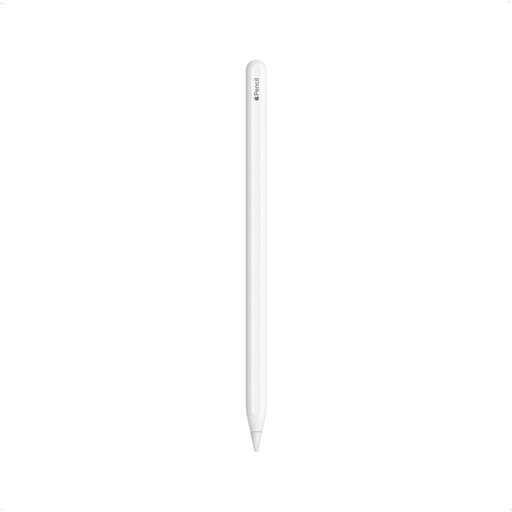 Image unavailable
For drawing and sketching on the iPads listed for this version. Check that your exact generation matches.
The product name lists 12.9-Inch iPad Pro (3/4/5/6th Gen), 11-Inch iPad Pro, iPad Air (4/5th Gen) and iPad Mini (6th Gen).
No. Check your exact iPad model and the compatibility list for the specific Apple Pencil version. For some models, Apple also lists a required iPadOS version.
First, check the light and how the screen looks in that spot. According to Apple, you can adjust brightness manually or automatically; this is a screen setting, not a stylus feature or a guaranteed solution from using one.
No, it depends on the version. Apple describes magnetic charging for Pencil Pro and charging via a USB-C cable for Pencil USB-C, so check attachment and charging separately.
According to ACM ConsuWijzer, online purchases generally come with a statutory cooling-off period of up to 14 days after delivery, subject to legal exceptions. The statutory guarantee is separate from any manufacturer’s warranty: if a product develops a fault too soon during normal use, the seller is responsible for an appropriate solution under the applicable conditions, according to ACM ConsuWijzer.