
Garden designer with an existing tablet
You want to sketch without choosing a pen that doesn’t work with your tablet model. So check compatibility first; Apple, Samsung, Microsoft and Wacom publish information about supported devices and pen input.


Start by checking your exact tablet model and the pen input it supports: a pen that isn’t compatible won’t help you sketch. If you regularly work on garden plans, extra drawing controls or pressure and tilt sensitivity may be important; simpler features may be enough for quick layouts. At a shared desk, also check how you’ll store and charge the pen.
You want to sketch without choosing a pen that doesn’t work with your tablet model. So check compatibility first; Apple, Samsung, Microsoft and Wacom publish information about supported devices and pen input.
You regularly create different lines and shading, so it’s worth checking how the pen, tablet and app work together. Apple, Samsung and Microsoft describe features that can vary by model.
You make brief notes or initial layouts and value instant use, secure storage and convenient charging. Apple, Logitech and Microsoft provide information about the different ways each model attaches and charges.
First, check that the pen works with your tablet. Then decide how much drawing control you need, and finally consider how you’ll store and charge the pen at a shared desk.
| What to consider | What should you check? | Who is this important for? |
|---|---|---|
| Compatibility | Check the exact tablet model and the required software version. For Windows, also check whether AES or MPP is supported. | If you want to keep using your existing tablet, the pen must work with that exact model. Around 36% of consumers prioritise compatibility with their existing tablet. |
| Line control | Check pressure and tilt sensitivity separately, and see whether your drawing app supports the features you want. | If you want to draw paths, borders and planting with different lines, it’s worth checking how the pen, tablet and app work together. Around 29% of consumers prioritise control over lines and details. |
| Storage and charging | Compare how the pen is stored and charged, and whether you need a cable, charger or suitable accessory. | If you want to find your pen easily between sketching sessions at a shared desk, consider how it is stored and charged. Around 21% of consumers make this their main consideration. |
| Additional costs and terms | Check what’s included, whether you might need a replacement nib or separate charger, and whether you’re buying as a consumer or for business. | If you want a clear picture of the total purchase and what happens after you buy, check what’s in the box and consider the circumstances of your purchase. Around 14% of consumers prioritise additional costs and purchase terms. |
Even models from the same brand can have different compatibility lists. For Windows, the pen protocol matters too.
Make a note of your exact tablet model and software version, then compare them with the manufacturer’s compatibility information. For Windows, also check whether AES or MPP is supported.
If the pen doesn’t work with your tablet, you may need to buy a different model after all.
These are different input methods. A tilt sensitivity specification doesn’t confirm that the pen also responds to pressure.
If you need pressure-based variation in your sketches, check that the pen, tablet and drawing app all support this feature.
A Surface Slim Pen can charge through certain compatible devices or accessories. Microsoft says a standalone charger is available separately if your existing equipment can’t charge the pen.
Check which charging option suits your Surface setup and what comes with the pen.
According to Ondernemersplein, part of the Netherlands Enterprise Agency, the statutory cooling-off period for consumers doesn’t automatically apply when a business makes the purchase.
Check who is making the purchase and, for business purchases, review the applicable terms. Don’t confuse these terms with statutory consumer protection.
Apple Pencil models are designed for specific iPad models; features and compatibility vary between versions.
Crayon (USB-C) is an option for supported iPads, with features that may suit sketching at a shared desk.
S Pen models are designed for specific Galaxy devices; check that the tablet and pen are compatible.
Surface Slim Pen is designed for writing and sketching on supported Surface devices.
Bamboo Ink Plus is designed for Windows devices that support the required pen input.
These product picks focus on sketching on compatible iPads and Surface devices. Check each pen’s compatibility with your exact tablet model, supported features and charging method.
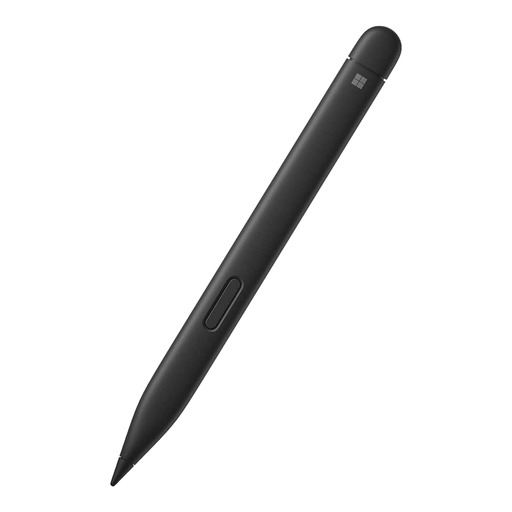 No image available
May suit sketching on a supported Surface device; features depend on the Surface model.
The product description lists 4,096 pressure levels and haptic feedback. If your device or accessory can’t charge the pen, you may need a standalone charger.
 No image available
May suit quick sketches on a compatible iPad; the product description lists no-pairing operation and tilt sensitivity.
According to the product description, the pen works with iPads from 2018 onwards running iOS 12.2 or later. It charges via USB-C, with up to 6.5 hours of use per charge.
 No image available
May suit detailed garden plans on a compatible iPad model; check that your drawing app supports the pen’s features.
The product description lists pressure and tilt sensitivity, gestures and haptic feedback. Magnetic pairing and charging are available with compatible iPads.
 No image available
May suit sketching and annotating on a compatible iPad; check model compatibility before you buy.
Apple lists tilt sensitivity. The pen attaches magnetically to supported iPads, but charges via USB-C.
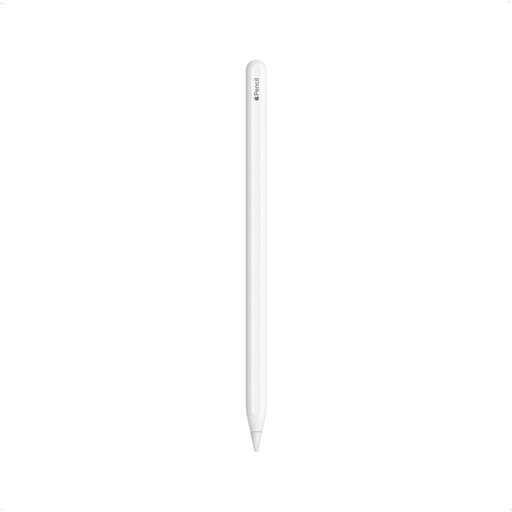 No image available
May suit sketching on the iPad models listed for this version; compare the list with your tablet.
The product description lists the 12.9-inch iPad Pro (3rd, 4th, 5th and 6th generation), 11-inch iPad Pro, iPad Air (4th and 5th generation) and iPad mini (6th generation). Magnetic pairing and charging are described for these listed models.
Not without checking compatibility for each tablet. Apple lists the iPads supported by each Pencil model; Wacom says Bamboo Ink Plus requires a Windows device with AES or MPP and doesn’t work with Apple devices.
Not always. Apple says Pencil (USB-C) attaches magnetically but charges via a USB-C cable. According to Apple, Pencil Pro attaches to compatible iPads for pairing and charging too.
Check whether your Surface model or accessory supports charging. Microsoft says a standalone charger is available separately if needed.
No, these rules don’t apply in the same way to every purchase. According to Ondernemersplein, part of the Netherlands Enterprise Agency, the statutory 14-day cooling-off period applies to consumers, but not automatically to business purchases. The Dutch government says the Netherlands has no fixed statutory guarantee period of two years; if a product is faulty, what you can reasonably expect also depends on the product.