
On-the-go map reader
You often move between classrooms and want to view map layers and the legend without carrying an awkwardly large tablet. The Consumentenbond says smaller tablets are more convenient when you’re on the move.


Start by asking whether you can read the legend, neighbourhood names and map layers clearly on a screen that’s easy to carry around. A tablet of around 11 inches is a sensible starting point if you often move between classrooms. A larger screen may be more comfortable if you want to view your map and notes side by side, but it’s less portable. Also check that your map service, any stylus you need and your preferred way of saving work are supported by the tablet.
You often move between classrooms and want to view map layers and the legend without carrying an awkwardly large tablet. The Consumentenbond says smaller tablets are more convenient when you’re on the move.
You compare neighbourhoods, legends and several map layers, so you prioritise having enough screen space to read everything clearly. Bear in mind that a larger screen is harder to carry around.
You write on maps or study files and want to make sure the stylus, tablet and app you use work well together. Check which stylus is compatible with the exact model and what’s included in the box.
First, compare how clearly you can read your own map and how easy the tablet is to carry. Then check that the map service and any stylus suit the way you plan to use them.
| Factor to consider | What should you check? | Who is this important for? |
|---|---|---|
| Reading map details | Open a map of your own and check the labels, legend and any pop-ups on the screen size you’re considering. | If I compare neighbourhoods and map layers, I want to be able to read the details without constantly zooming in. Around 36% of consumers prioritise being able to read map details clearly. |
| Carrying it between classrooms | Compare the dimensions and weight of the exact model, and remember to allow for a case if you plan to use one. | If I often move between classrooms, I want a tablet that’s easy to carry. Around 29% of consumers give portability between classrooms top priority. |
| Making notes | Check stylus compatibility and what’s included in the box, and make sure your annotation app can save or export files in the way you need. | If I write on maps or study files, I want my stylus and app to work together. Around 21% of consumers prioritise handwritten annotations. |
| Using a map service | Test the specific map, browser, sign-in requirements and the steps for using layers or saving your work. Don’t assume you can access maps offline unless the service you use confirms it. | If my studies depend on a particular map service, I want to know whether I can use the map features I need. Around 14% of consumers prioritise access to their map service. |
Extra screen space can help when viewing a map alongside notes, but a larger tablet is harder to carry and hold for long periods.
View a representative map on the screen size you’re considering, then compare the complete tablet, including a case if you plan to use one.
The larger model may be more cumbersome to carry between classrooms.
A tablet supporting a stylus doesn’t automatically mean the right stylus comes with the model you choose.
Check the exact model, stylus compatibility and what’s included in the box.
You may need to buy a compatible stylus separately.
Opening a map, using layers and saving your work are separate tasks. Esri sets out separate browser and app requirements for ArcGIS Online.
Test the map service and the specific study task you need to do, not just whether the home page opens.
The 11-inch iPad Air (M4) is an iPadOS option weighing 464 grams for the Wi-Fi model, according to Apple Support Netherlands.
The Galaxy Tab S10 FE is an Android option with a 10.9-inch screen and S Pen support, according to Samsung Netherlands.
The Lenovo Idea Tab Pro configuration ZAE40020SE is worth considering if a 12.7-inch screen for maps and study materials matters more to you than portability.
This selection includes tablets with screen sizes from 8.2 to 11 inches, including models with a stylus for study notes. Test your own map and check the requirements of the map service you need before choosing a model.
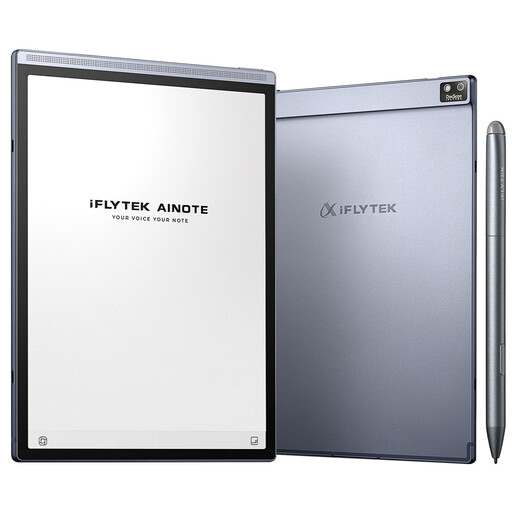 No image available
The included stylus makes this model worth considering if you want to write study notes by hand. Check that the map display on the E-Ink screen meets your needs.
Screen: 8.2 inches, E-Ink. The product title lists a stylus.
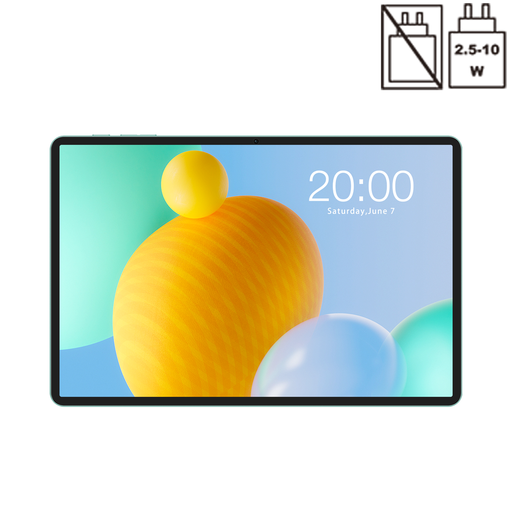 No image available
The 11-inch screen is worth comparing if you’re looking for a tablet to carry between classrooms. Check how clearly you can read your own map.
The product title lists a 90Hz IPS screen, 32 GB RAM (6 GB + 26 GB virtual) and 128 GB ROM.
 No image available
This model is worth a look if you want to take digital study notes. Check that the input method and map display work with your apps.
The product title lists a 10.65-inch E-Ink screen and a thickness of 4.2 mm.
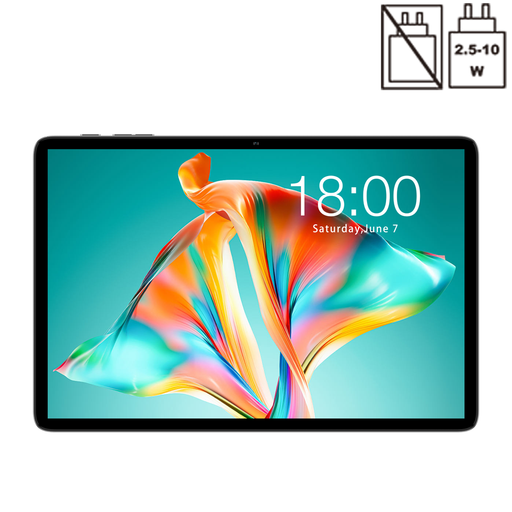 No image available
The 10.1-inch screen is another size to consider. Check whether you can read map labels and the legend clearly on it.
The product title lists a 120Hz HD screen, 16 GB RAM (3 GB + 13 GB virtual) and 128 GB of storage.
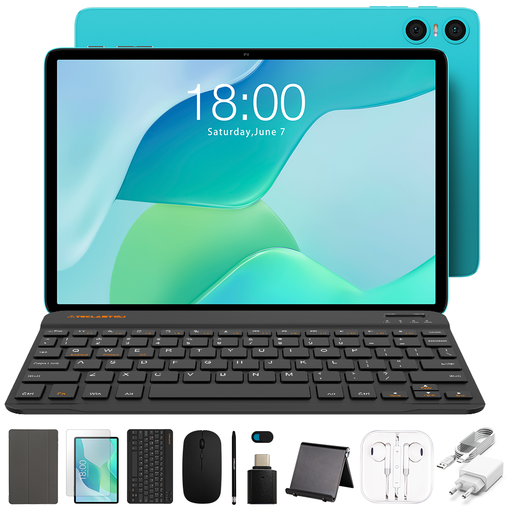 No image available
The included stylus makes this bundle worth considering if you want to write on study materials. Also check that the tablet and your map app support the features you need.
The product title lists 9 GB RAM (3 GB + 6 GB virtual), 64 GB of storage, a case and a stylus. A Bluetooth keyboard, mouse and tablet stand are also listed.
Only if ArcGIS Online is the map service you need. Esri describes web maps with layers and pop-ups and sets out browser requirements. Test the specific map and the tasks you want to carry out.
Open a representative map and check whether you can read the labels, legend and any pop-ups. Also test the sign-in and saving steps you need. According to Esri, you must be signed in to save work in ArcGIS Map Viewer.
No. Stylus support doesn’t automatically mean one is included with every model. Check the exact variant, compatible stylus and box contents. For example, Apple lists Pencil support for the 11-inch iPad Air (M4), but doesn’t include a Pencil in the box.
ACM ConsuWijzer states that online purchases generally come with a statutory cooling-off period of up to 14 days after delivery, subject to exceptions. Separately, the seller is responsible for the legal guarantee if a product doesn’t meet what you’re entitled to expect under normal use.