
Map and document reader
You study research maps and text at a small desk, and want a workable balance between screen space and the tablet’s dimensions.


Start with how you work. A tablet around 11 inches is a practical benchmark for viewing maps and documents on a small desk, while a larger screen needs more room. Then check that your research app works with the operating system you’ve chosen, whether you need to prepare maps for offline use, and whether the right stylus and accessories are included with that version. A tablet for recording field data won’t automatically replace the desktop environment you use to prepare GIS projects.
You study research maps and text at a small desk, and want a workable balance between screen space and the tablet’s dimensions.
You record observations outdoors or consult maps. The field app you need and how you prepare offline content will influence your choice.
You regularly write on research documents and want to know which stylus works with the exact tablet version, and what’s included in the box.
For urban heat research, you might use your tablet to read maps at a small desk or fill in forms outdoors. Decide which task matters most to you.
| Consideration | What to look for | Who should prioritise this? |
|---|---|---|
| Maps and documents on a small desk | Compare both the screen diagonal and the overall dimensions. Apple lists the 11-inch iPad (A16) as measuring 248,6 × 179,5 mm; Xiaomi lists the Pad 8 as 11,2 inches and 251,22 × 173,42 mm. | If I want to view maps and text on a limited work surface, the space available is key. Around 33% of consumers say workspace is their top priority. |
| Apps and maps for fieldwork | Check which app and project files you need, and test how to prepare them for offline use. QField starts with a QGIS project; Esri explains that offline forms are available in the installed Survey123 apps, while offline basemaps need to be prepared separately. | If I fill in forms or consult maps outdoors, I want to know in advance what works without an internet connection. Around 27% of consumers put field software first. |
| Writing on maps and documents | Check which stylus is compatible with the exact tablet and whether it’s included in the bundle you’ve chosen. Apple lists two supported Pencil versions; Lenovo warns that the stylus is optional and sold separately with the specified Idea Tab version. | If I want to annotate research documents by hand, both stylus compatibility and what’s included in the bundle matter. Around 20% of consumers say writing and marking up documents are their top priorities. |
| Portability and a complete set | Compare the stated tablet weight and check what’s in the box. Apple lists the iPad (A16) with Wi-Fi at 477 g; Xiaomi lists the Pad 8 at 485 g and says the power adapter is not included. | If I also take the tablet to survey sites, I want to know how many separate items I’ll need. Around 20% of consumers prioritise portability and a complete set. |
Installing an app doesn’t automatically make the maps and project data you need available.
Before heading into the field, run a test using your actual project and the offline map you plan to use.
Preparing and transferring project files takes time.
Compatibility and what’s included in the bundle are separate matters. Check which stylus version works with the exact model, too.
Compare the product code, packaging and compatible stylus before choosing a version.
The casing, and any stand or keyboard, also take up space on a small desk.
Compare the stated dimensions with the space available, and decide whether you want to view a map and text at the same time.
The 11-inch iPad (A16) is an option for studying maps and documents, provided the apps you need are available on iPadOS.
The Galaxy Tab S10 FE, with its 10,9-inch screen, is an option if you want Android and stylus input on a relatively compact display.
The Idea Tab range offers an Android option with stylus support, with keyboard versions also available to compare.
The Pad 8 could suit you if extra screen space for maps matters more than having the most compact setup.
These tablets are worth considering for maps and research documents in a limited workspace. Check which software and accessories suit the way you work for each model.
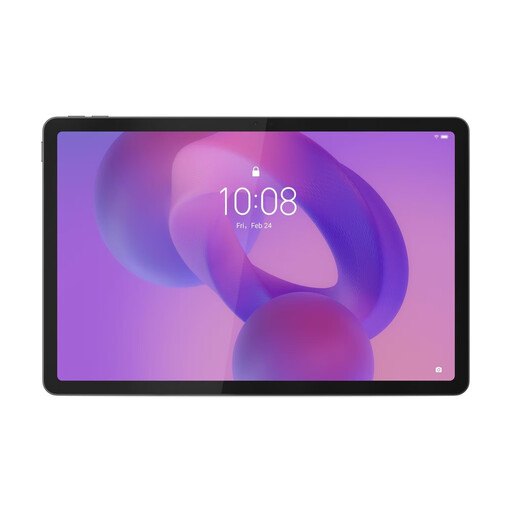 No image available
The 11-inch size works well for studying at a small desk.
The product information lists a 2.5K IPS display and Android.
Check that the research app and files you need work on this version.
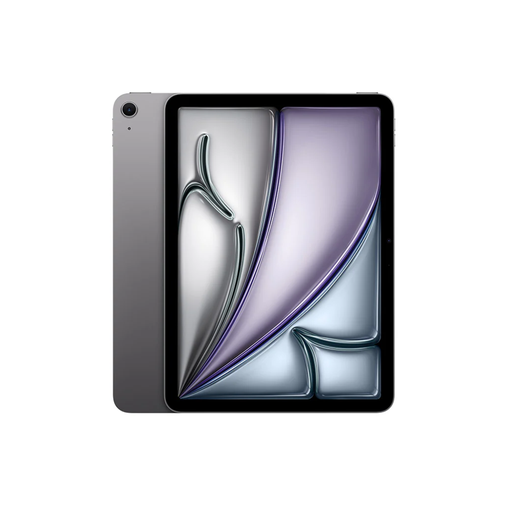 No image available
An option for viewing maps and documents on a tablet around 11 inches, if the apps you need on iPadOS suit your workflow.
The product information lists support for Apple Pencil Pro. Check which accessories are included with the version you’ve chosen.
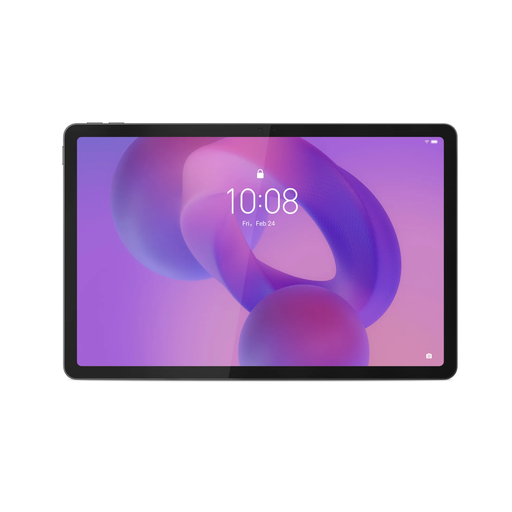 No image available
The 11-inch version comes with a Lenovo Tab Pen, making it relevant if you want to annotate research documents by hand.
The product information lists a MediaTek Dimensity 6300, 2560 × 1600 IPS display, 90 Hz and 500 nits.
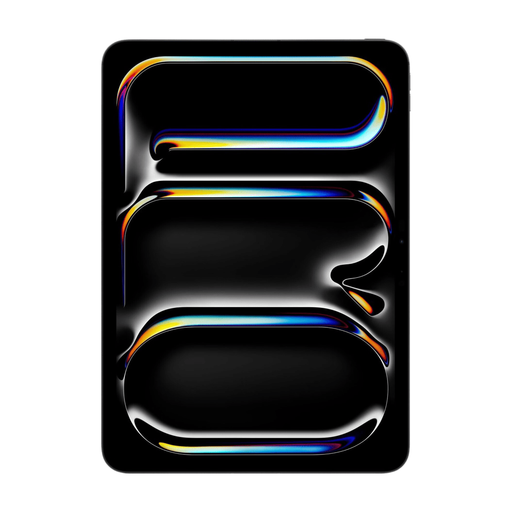 No image available
This 11-inch iPad is an option for viewing maps and documents. Check beforehand that the apps you need suit your research workflow.
The product information lists Wi-Fi, mobile connectivity and an OLED display.
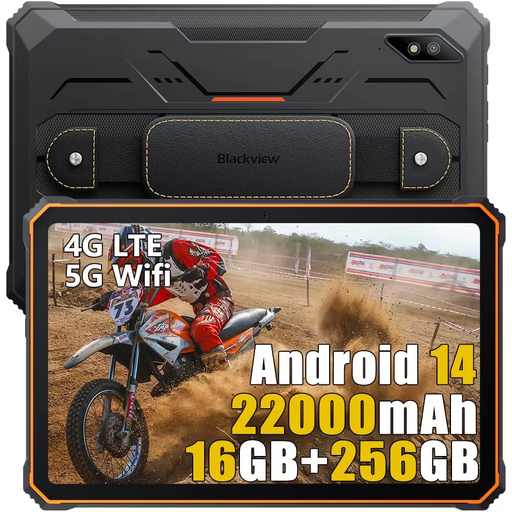 No image available
This Android tablet with dual-SIM 4G is an option for mobile use. Its 10.36-inch screen is smaller than the 11-inch benchmark, so you may need to zoom in or switch between the map and text more often.
The product name lists an HD display, Android 13, a 22,000 mAh battery and a 48 MP camera.
It depends on the survey app and how you prepare it. Esri explains that offline form entry is available in the installed Survey123 apps. To use offline basemaps, you need to prepare the Survey123 field app with suitable map files. Offline basemaps aren’t supported in the Survey123 web app.
According to the QField documentation, first prepare the project in QGIS using QFieldSync, then transfer it to your device. QField is available for Android and iOS. Check that your project and data are prepared correctly before you work on site.
Not necessarily; check what’s included with the exact version. For the iPad (A16) packaging listed, Apple includes a USB‑C cable but no Pencil, while Xiaomi says the Pad 8 doesn’t come with a power adapter. Lenovo says the stylus is optional and sold separately with the Idea Tab version reviewed.
According to ACM ConsuWijzer, online purchases often come with a 14-day cooling-off period after delivery, although exceptions apply depending on the purchase. You’re also entitled to a legal guarantee if a product doesn’t perform as you could reasonably expect under normal use; this doesn’t automatically mean every tablet has a fixed two-year guarantee.