
Reader of magazine PDFs
You want to follow footnotes and the original page layout without constantly zooming in. A larger screen can help, but the device also needs to be comfortable to hold.


For reading literary criticism in bed, a standard tablet suits you if you switch between web articles, apps and PDFs. A larger screen can be more comfortable for fixed-layout pages, but may be less easy to hold for long periods. If you mainly want to read without distractions and make notes on PDFs, an e-ink tablet is also worth considering. If you read in low light, check the lighting and test your own files to make sure annotation and export work as you need them to.
You want to follow footnotes and the original page layout without constantly zooming in. A larger screen can help, but the device also needs to be comfortable to hold.
You mainly read continuous text in low light, so you’ll need to weigh up screen settings, reflections and how comfortable the device is to hold. If you’re considering an e-ink tablet, check whether the model has built-in lighting.
You highlight arguments and add notes that you want to find again later. Whether you can make and export notes depends, among other things, on the file, device and app.
Best for: reading different formats, such as web articles, e-books and PDFs, as well as using browser or reading apps.
Bear in mind: a stylus and a suitable annotation app may not be included. Also consider the weight and screen reflections in your usual reading position.
Best for: reading and annotating PDFs, if colour and a fast screen response are less important to you.
Bear in mind: e-ink screens are monochrome. BOOX also distinguishes between the unlit Go 10.3 (Gen II) and the Lumi, which has a front light.
Best for: reading mainly continuous, reflowable book text, with less need for browser or PDF features.
Bear in mind: the Consumers’ Association describes standard e-readers as only moderately suitable for reading a lot of PDFs. Annotation and export options can also vary by file.
| What to consider | What to look for when buying | Who is this important for? |
|---|---|---|
| Reading in low light | Check the brightness settings, reading mode and whether the device has built-in lighting. The BOOX Go 10.3 (Gen II) Lumi has a front light; the standard Gen II does not. | If you read in the evening, you’ll want to adjust the text and background to suit you. Around 24% of consumers prioritise comfortable reading in low light above all else. |
| PDFs and footnotes | Open one of your own PDFs and check that the page layout and footnotes are legible on screen. | If you read fixed-layout magazine PDFs, you’ll want to follow the footnotes without constantly zooming in. For around 24% of consumers, viewing full PDF pages is the top priority. |
| Weight and ease of handling | Compare the dimensions and weight of the exact model, including any case, and try it in your usual reading position. | If you read lying down for long periods, a smaller reading area may be more appealing than a device that’s awkward to hold. Around 19% of consumers put ease of handling first. |
| Annotating and exporting | Check that the stylus and app work with your files and that you can save or export your notes for later. | If you highlight arguments and want to find your notes again, this workflow needs to work with your documents. For around 19% of consumers, annotation is the top priority. |
| Files and apps | Test your publication or service on the device you’re considering. Support for a file format doesn’t guarantee that you can access a protected publication. | If you switch between your own publications and reading services, you’ll want to know in advance whether they work on your device. Access to files and apps is the top priority for around 14% of consumers. |
More screen space can help with a fixed page layout, but the device also needs to remain comfortable to hold in bed for long periods.
Test a representative PDF in your usual reading position and compare the weight of the exact model.
Depending on your position, a stand or case may be more practical.
File protection and settings can determine whether you can add or transfer notes.
Test one of your own files with the app you intend to use. On Kobo, DRM-protected PDFs and PDFs with annotation disabled can’t be written on with the Kobo Stylus.
The standard Go 10.3 (Gen II) doesn’t have a front light; the Lumi model does.
Check the full product name if you want to read without a separate reading light.
You may need a separate reading light for the unlit model.
The iPad (A16) is a standard tablet for anyone who wants to use apps and annotate documents as well as read.
The Galaxy Tab S10 FE is an Android tablet with S Pen support, designed for reading and note-taking.
The Go 10.3 (Gen II) series is an e-ink tablet for anyone who values PDFs, notes and fewer distractions.
The Tab M11 is a standard Android tablet whose model and included accessories are worth comparing.
The Elipsa 2E is an e-reader alternative if reading matters more to you than having the full range of tablet apps.
These Joybuy products are standard or e-ink tablets for reading on a larger screen. Test them with your own documents to see whether the screen size and workflow suit you.
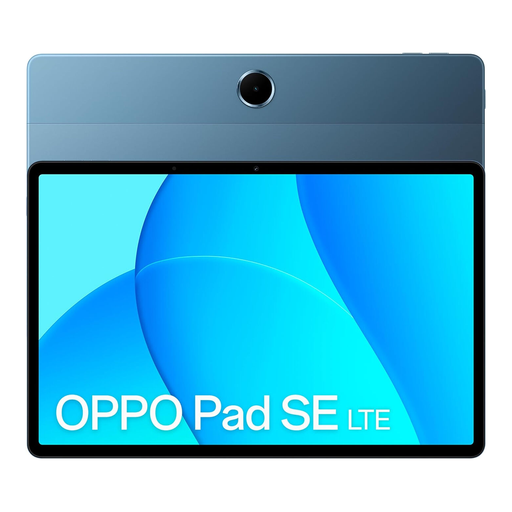 No image available
A standard tablet option for reading literary criticism and documents on an 11-inch screen.
11 inches; 128 GB; 6 GB; LTE.
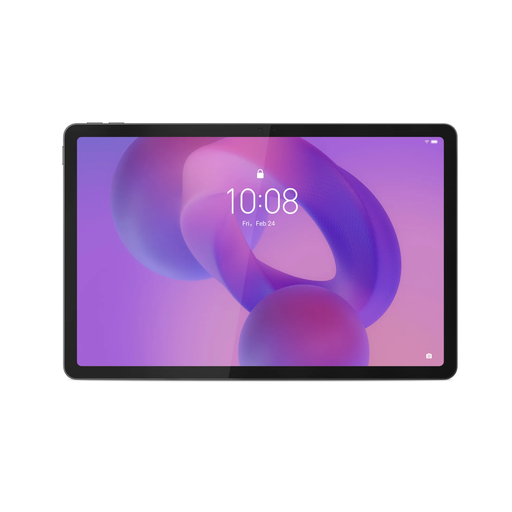 No image available
A standard tablet option for reading documents on an 11-inch screen and for anyone looking for an Android tablet.
Dimensity 6300; 8 GB; 128 GB; 11-inch IPS screen; 90 Hz; 500 nits; Android 15.
 No image available
A larger screen can make fixed-layout pages easier to view; also consider how you want to hold the device.
12.7 inches; 2K; 20 GB RAM (8 GB + 12 GB virtual); 256 GB storage; stylus included.
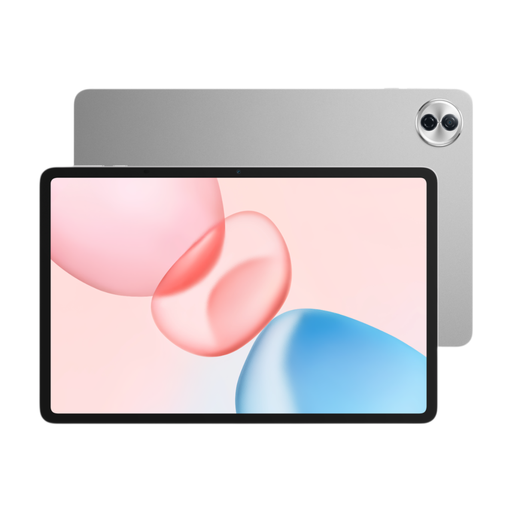 No image available
A standard tablet option with a 12.1-inch screen for viewing documents in a larger format.
256 GB storage; 8 GB RAM; Snapdragon 7 Gen 3; 12.1 inches; 2.5K; 120 Hz; Wi-Fi.
 No image available
An e-ink tablet option for reading literary texts on an e-ink screen. Check that its features suit your files and apps.
10.65 inches; e-ink screen.
Open a sample with footnotes on the device you’re considering. According to the Consumers’ Association, a standard tablet is generally more suitable than a standard e-reader for many fixed-layout PDFs. Screen size alone doesn’t guarantee that you’ll be able to read your pages without zooming in.
No. You can’t use the Kobo Stylus on DRM-protected PDFs or PDFs with annotation disabled. According to Kobo, handwritten notes in an unprotected PDF can be exported with the file; ePub files have different restrictions.
Before buying, check whether the stylus and power adapter are included with the exact model. Also test your own files and apps on the device, then adjust the reading display to suit your preferences.
According to the Dutch government, when you buy at a distance you generally have a 14-day cooling-off period. ACM ConsuWijzer explains that statutory warranty doesn’t have one standard duration of exactly two years. If a product doesn’t meet what you could reasonably expect, contact the seller.