
Research report reader
You work through lots of papers and PDF maps, and want to view text, legends and tables comfortably. Apple, Samsung and Lenovo specifications offer a range of screen sizes to compare.


For a long reading list and heat maps, a larger colour screen is useful if you regularly view text, tables and maps side by side; a more compact model makes sense if you often take your tablet with you. Before buying, check that your stylus, map files and required apps are compatible with the exact model. A tablet won’t automatically replace a complete GIS workstation.
You work through lots of papers and PDF maps, and want to view text, legends and tables comfortably. Apple, Samsung and Lenovo specifications offer a range of screen sizes to compare.
You switch between maps, explanations and notes, so screen space and colour reproduction are worth assessing with your own material. The Climate Impact Atlas describes maps covering a range of climate impacts.
You take your tablet to different locations and want to know in advance how to transfer map projects and any field data. The QField documentation describes a workflow involving project preparation in QGIS and synchronising changes.
First decide whether reading, viewing maps, annotating or using the tablet on the move matters most to you. Then try your own PDFs, maps and required apps on the exact tablet model you’re considering.
| What to consider | What should you check? | Who is this most important to? |
|---|---|---|
| Reading long documents | Open a representative PDF and check the font size, tables and page layout on the screen size you’re considering. | If I read lots of reports with tables and PDF maps, I want to assess the content properly without constantly zooming in. An estimated 33% of consumers put readability first. |
| Viewing maps and legends | Try one of your own maps with its legend and colour gradient, and see whether you can use it alongside an explanation. | If I compare map layers and explanations, I want to follow the legend and text without losing sight of the map. An estimated 27% of consumers prioritise an overview of maps. |
| Taking notes | Check stylus compatibility, what’s included in the package, and whether your PDF app saves annotations in the file format you need. | If I mark up sources and maps, I want to know that the stylus is compatible with my chosen model and that my notes will remain usable. An estimated 20% of consumers prioritise annotation. |
| Portability and field use | Compare the weight of the exact model and test the field app, project transfer and files you need. | If I visit different locations, I want to take my tablet with me and know in advance whether my project will work on the move. An estimated 20% of consumers prioritise mobile field use. |
A larger screen doesn’t tell you whether your map files and field app will work with the tablet. QField describes a workflow in which you prepare a project in QGIS and synchronise changes back.
Before buying, test a representative map and, if you collect data outdoors, a complete field project.
Preparing projects and synchronising them may involve extra steps.
Stylus compatibility and what’s included in the package vary by model. Apple lists support for specific Apple Pencil models for the 11-inch iPad (A16); Lenovo offers different Tab P12 models and bundles.
Compare the full model number, compatible stylus and the explicitly listed contents of the box.
You may need to buy a missing or unsuitable accessory separately.
According to the Dutch government, the Netherlands has no fixed statutory two-year warranty period; if a product is faulty, the retailer is your point of contact.
Check the terms of any additional warranty and consider them alongside your statutory rights.
The Galaxy Tab S10 FE and FE+ models reviewed come in different screen sizes, offering a choice between portability and map viewing space.
The 11-inch iPad (A16) reviewed is a compact colour tablet for reading and annotating.
The Tab P12 and the separate P12 model with a matte screen are large-screen options for documents.
The Note Air5 C is an e-paper option for people who mainly read and write, but also want to view colour maps.
These tablets are suited to reading documents and viewing maps; some of the models mentioned also include a stylus for annotating.
 No image available
The screen size and included stylus make it suitable for reading and taking notes on documents or maps.
The product name lists a 12.1-inch screen, 2.5K resolution, 8 GB RAM and 256 GB of storage; a stylus is included.
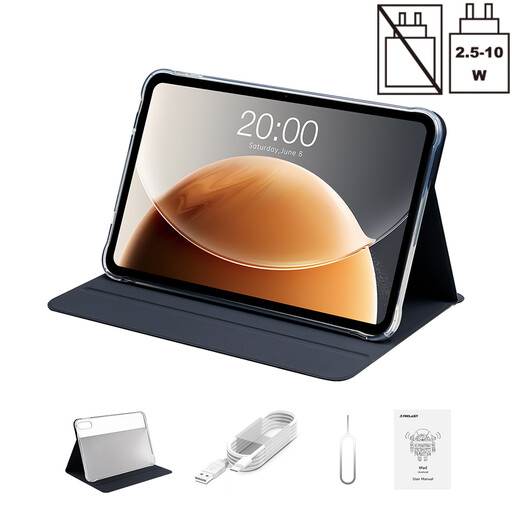 No image available
The listed screen size may suit you if you want to view documents and maps on a larger screen; check how your own files look.
The product name lists Android 16, 20 GB (6 GB + 14 GB Virtual) RAM, 128 GB of storage, Dual SIM, Wi-Fi 5G and a folio case.
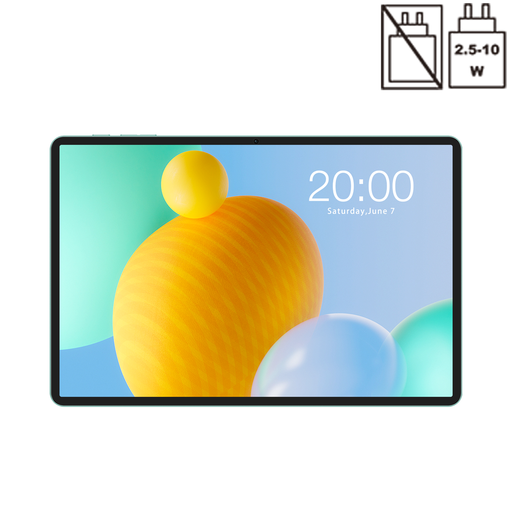 No image available
The 11-inch size may be a good middle ground if you need screen space but also want to take your tablet with you.
The product name lists 32 GB (6 GB + 26 GB virtual) RAM, 128 GB ROM, 90 Hz IPS, 4G LTE Dual SIM, 5 GHz WiFi and GPS.
 No image available
The larger listed screen and stylus may suit reading and annotating; test whether your PDF app works with the stylus as you need it to.
The product name lists 20 GB (8 GB + 12 GB Virtual) RAM and 256 GB of storage.
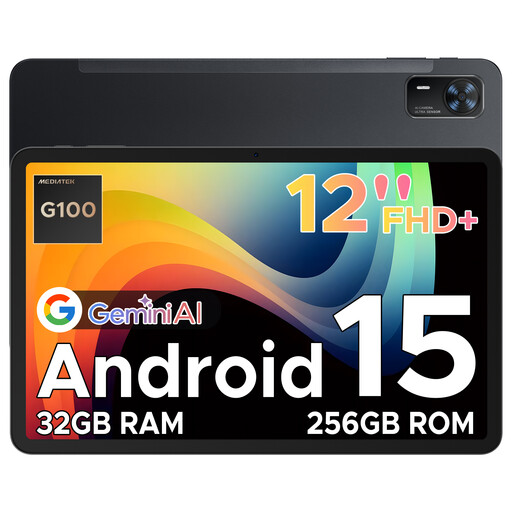 No image available
The listed 12-inch screen may suit viewing long texts and map material; check the readability of your own files.
The product name lists FHD+, 90 Hz, a SIM card slot and 8800 mAh.
Don’t assume a tablet will replace a complete GIS workstation. QGIS describes extensive analysis and desktop features; the QField workflow starts with project preparation in QGIS and syncs field changes back. Test the files and functions your project requires.
For the QGIS and QField workflow, QField describes these steps: prepare the project with QFieldSync, transfer the package locally or via QFieldCloud, collect data and synchronise the changes back. Test the process with your own project before heading out.
Not automatically. According to the Dutch government, consumer purchases are covered by statutory guarantees, and the retailer is your point of contact if a product is faulty. The Netherlands has no fixed statutory two-year warranty period; before buying, compare what additional rights a paid warranty offers.
For an eligible distance purchase made online by a consumer, the Dutch government says you generally have a 14-day cooling-off period. The rules depend on how you make the purchase; the Dutch government gives buying from a private individual as an exception.