
Comparing maps and text
You want to switch between a map, legend, article and notes while studying neighbourhood heat maps. The Dutch Consumers’ Association (Consumentenbond) highlights factors such as size and aspect ratio when choosing a tablet.


When studying maps alongside articles, start by considering screen space and the map and reading apps used by your course. If you annotate lots of PDFs, it’s also worth checking the stylus and what’s included with each version. If you need to edit GIS projects yourself, test the required software and any plug-ins on the exact device first: a Windows 2-in-1 offers a different way of working, but the keyboard and stylus may be sold separately.
You want to switch between a map, legend, article and notes while studying neighbourhood heat maps. The Dutch Consumers’ Association (Consumentenbond) highlights factors such as size and aspect ratio when choosing a tablet.
You read lots of articles or PDFs and want to highlight passages or make notes on maps. Check which stylus is compatible with the exact version and whether it’s included in the box; Samsung Netherlands and Apple specify support for particular styluses.
You may need to do more than just view maps: you might also have to edit spatial data or projects. QGIS describes tools for creating, editing and analysing geospatial information; the software requirements of your assignment will determine which devices you need to check.
First decide whether you’ll be viewing existing maps or editing GIS projects too, as these tasks may require different software and controls. Then choose the screen space and input method that suit your reading and note-taking.
| What to consider | What to check before buying | Who is this important for? |
|---|---|---|
| Viewing a map and text at the same time | Compare screen sizes and test your map website and reading app in the layout you want to use. | If I want to see a map, legend and article side by side, having enough screen space for all three is my main priority; around 36% of consumers say viewing a map and text at the same time is their main buying need. |
| Reading long texts | Open a PDF of your own and assess the text size, reflections and space available to show a map alongside it. | When I have a long reading list, I want text to be comfortable to read without making the map view awkward; around 29% of consumers prioritise extended reading. |
| Annotating PDFs and maps | Check which stylus is compatible with the exact tablet version and whether it’s included in the box. | If I want to make notes on sources or map images, stylus input that suits my needs matters most; around 21% of consumers say annotating is their main buying need. |
| Doing your own GIS work | Check the required application, version, plug-ins and project files on the device you’re considering. | If my assignment involves editing GIS projects, the required software needs to work on the device; around 14% of consumers say doing their own GIS work is their main buying need. |
Viewing a map in a browser isn’t the same as editing spatial projects. The software, project files or plug-ins required for your assignment may determine which device is right for you.
Find out which software version and files you’ll need, then test them on the exact tablet or 2-in-1 you’re considering.
Stylus support doesn’t automatically mean one is included. Microsoft says the keyboard for the 12-inch Surface Pro reviewed here connects separately.
Check which accessories are compatible and what’s included with the specific version.
Lenovo’s claim that the matte version causes less eye strain is a brand claim, not an independently verified effect.
View a long PDF and a map of your own in the conditions you study in, and check for reflections and how colours look.
According to Samsung Netherlands, the Galaxy Tab S10 FE range includes a 10.9-inch FE and a 13.1-inch FE+; both are worth considering if you want to view a map and text on screen together.
The Lenovo Tab P12 with matte screen, version ZAD50005SE, is a 12.7-inch option to consider if you want a larger screen for reading and maps.
The iPad (A16) is an around 11-inch option if you’ve checked that your preferred reading, map and annotation apps are available on iPadOS.
According to the Dutch specifications, the Xiaomi Pad 7 has an 11.2-inch screen with a 3:2 aspect ratio.
The 12-inch Surface Pro, 1st Edition, is a Windows 2-in-1 worth considering if your assignment calls for a desktop-style software setup.
These Joybuy picks are suited to reading, viewing maps or annotating; screen sizes range from 11 to 13.4 inches. Check compatibility with your map service and any GIS software separately.
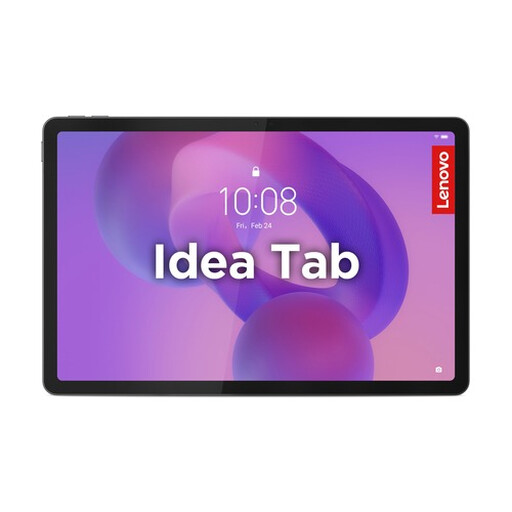 Image unavailable
The 11-inch 2.5K screen is suited to viewing maps and reading material; the product description says a Lenovo Tab Pen is included for annotating.
Specifications: 256 GB storage, 8 GB RAM and Wi-Fi 5.
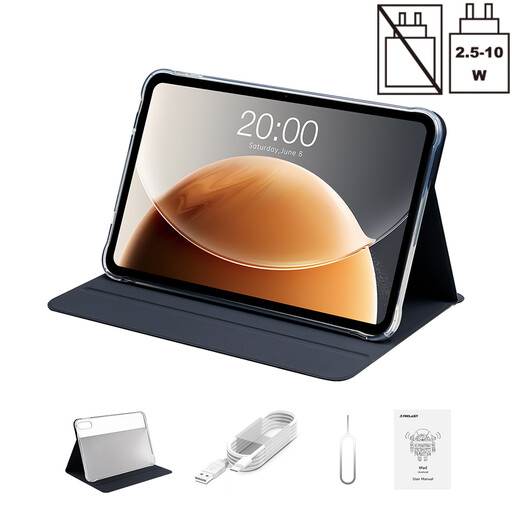 Image unavailable
The 13.4-inch screen suits those who need room for maps and long texts; the product title also mentions a folio case.
Specifications: Android 16, 128 GB storage and 20 GB RAM (6 GB + 14 GB virtual).
 Image unavailable
The 12.7-inch screen and listed stylus are suited to maps and reading material you want to annotate.
Specifications: Helio G99, Android 15, 256 GB storage and 20 GB RAM (8 GB + 12 GB virtual).
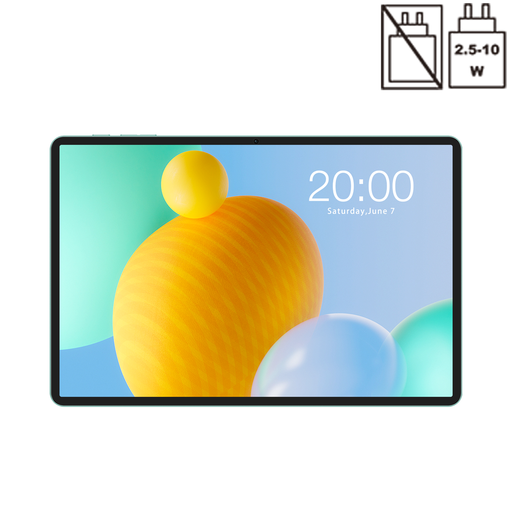 Image unavailable
The 11-inch screen suits a more compact reading and map setup; the product title lists studying as one of its intended uses.
Specifications: IPS screen, 128 GB storage, 4G LTE and 32 GB RAM (6 GB + 26 GB virtual).
 Image unavailable
The 12.7-inch 2K screen and listed included stylus are suited to reading and making notes.
Specifications: 256 GB storage and 20 GB RAM (8 GB + 12 GB virtual).
Not without checking the map service and browser. For ArcGIS Online, Esri lists requirements including a supported 64-bit browser with WebGL and local storage enabled; test your map on the device you’re considering.
Not necessarily. QGIS describes desktop tools for spatial editing, but that doesn’t confirm that your course version, plug-ins and files will work on a particular tablet model. Windows on Arm can emulate x86 and x64 applications; test the required setup in advance.
Check the exact model of your tablet and stylus, what’s included in the box, and how it charges or pairs. For the 1st generation Apple Pencil with the iPad (A16), Apple lists a USB-C to Apple Pencil Adapter; general stylus support doesn’t mean one is included.
According to ACM ConsuWijzer, online purchases often come with a 14-day cooling-off period from delivery, subject to legal exceptions. This is separate from your rights if a product breaks sooner than you could reasonably expect under normal use: according to ACM ConsuWijzer, the seller must put it right free of charge.
No. The European Commission lists requirements from 20 June 2025 for the smartphones and slate tablets defined in the regulations that are placed on the EU market from that date; tablet computers are not covered by those rules. Check the applicable product category and product information for the specific version.