Start with the map viewer you use and check that you can clearly see map layers, the legend and neighbourhood details on the tablet screen. Choose a larger screen if you often compare areas, check stylus compatibility if you take notes, and weigh this against the size you want to carry around. For evening study, adjust the brightness, but always check that the map colours remain easy to read.
Who is this buying guide for?
Comparing neighbourhood maps
If you compare heat map layers and neighbourhoods, you’ll want to see the map, legend and explanatory details clearly. The Climate Impact Atlas offers map layers and a neighbourhood dashboard; check how they display in the viewer you use.
Taking notes on map findings
If you take notes on maps or study materials, don’t just look at the screen. Also check that a compatible stylus works with the exact tablet version and whether it’s included with your order.
Studying in different places
If you study in different locations, the tablet’s size, adjustable screen brightness and access to the online map layers you need are all worth considering. The Climate Impact Atlas and Apple Support describe features that may be relevant.
What should you look for when choosing?
| What to consider |
What should you check? |
Who is this important for? |
| Map details and legend |
Open your own viewer and check the map, legend, text and zoom behaviour on the tablet you’re considering. |
If I want to read the map, legend and neighbourhood details clearly while comparing areas, I’ll first check how they display in my own viewer. Around 33% of consumers say map details and the legend are their main concern when buying. |
| Taking notes |
Check which stylus is compatible with the full model code and whether it’s included in the box. |
If I want to record observations by hand, I need to know that the stylus is compatible with the version I’ve chosen. Around 25% of consumers prioritise stylus use and annotation. |
| Readable map colours in the evening |
Test the legend under your usual evening lighting, with the brightness adjusted and, if necessary, a different colour setting. |
When studying in the evening, I want to be able to distinguish the map categories after adjusting the screen settings. Around 17% of consumers give evening viewing top priority. |
| Size and portability |
Compare the size and weight of the exact version, and check which stylus or other necessary accessories are included. |
If I often take my tablet with me, I want a manageable size and to know in advance which accessories I’ll need. Around 17% of consumers prioritise size and the accessories they need. |
| Access to the map viewer |
Test the viewer using the available browser and connection; then decide whether Wi-Fi is enough or you’ll need mobile data. |
If I want to open map layers somewhere without reliable Wi-Fi, I’ll first check the requirements of my viewer. Around 8% of consumers give access to the map viewer they need top priority. |
Common buying mistakes
-
Confusing a standard offline map with a heat map layer
Google Maps explains how to save areas for use with its own maps. The Climate Impact Atlas has its own themed map layers, so saving a standard map doesn’t automatically mean you can open those heat map layers offline.
Open the map viewer you need and test in advance whether the right layers and legend are available without an internet connection.
-
Assuming every version comes with a stylus
Stylus compatibility and what’s included in the box are two separate things. A tablet that works with a stylus doesn’t necessarily come with one.
Check the full model code, the compatible stylus and what’s included with the version you’ve chosen.
-
Turning on a dark screen setting without testing the map
Google warns that an enhanced dark display can change images or make text over images harder to read. This may also matter when comparing map colours and the legend.
View the map and legend under your usual evening lighting, and turn off a setting if important colours or text are difficult to read.
-
Assuming resolution or maximum brightness guarantees readability
Published screen specifications don’t guarantee that the map viewer and legend will be comfortable to read for your studies.
Compare the same map, zoom level and legend on the tablet models you’re considering.
Brands to compare
Apple
The iPad (A16) is an option if you’re looking for a relatively compact tablet that supports certain Apple Pencil models.
- Apple Netherlands lists a visible screen diagonal of 10,86 inches, a resolution of 2360 × 1640 pixels and a weight of 477 grams for the Wi-Fi version.
- Apple lists support for Apple Pencil (USB-C) and Apple Pencil (1st generation). Check compatibility and whether the stylus needs to be bought separately.
Samsung
The Galaxy Tab S10 FE is an Android option to consider if you want to combine map study with stylus notes.
- Samsung lists a 10,9-inch screen and S Pen use for the Wi-Fi version SM-X520NLBREUB.
- Check the full model code: the Wi-Fi version listed here isn’t the same as a model with a mobile network connection or another FE version.
Lenovo
The Idea Tab Pro is worth comparing if you want more screen space for map layers and the legend.
- Lenovo lists a resolution of 2944 × 1840 pixels and brightness of 400 nits for a 12,7-inch version.
- The listed versions differ. Check the exact variant and whether the stylus is included with the order you’ve chosen.
Xiaomi
The Pad 7 is an Android option to compare with other tablets around 11 inches.
- Xiaomi lists a resolution of 3200 × 2136 pixels and a maximum brightness of 800 nits.
- Maximum brightness alone doesn’t tell you how long that level of brightness is sustained or how easy your map viewer and legend are to read.
Joybuy tablets for map study
Take a look at these Joybuy tablets as options for studying neighbourhood maps. Check that your map viewer works on each model and what accessories are included with the version you choose.
 No image available
Lenovo Idea Tab Plus WiFi, 12.1-inch, 2.5K, 8 GB RAM, 256 GB, with Pen, Rose
The 12.1-inch screen is a size worth considering for comparing maps and legends in your own viewer.
This product name lists 2.5K, 8 GB RAM, 256 GB storage and an included Lenovo Pen; check what comes with the version you choose.
Joybuy
 No image available
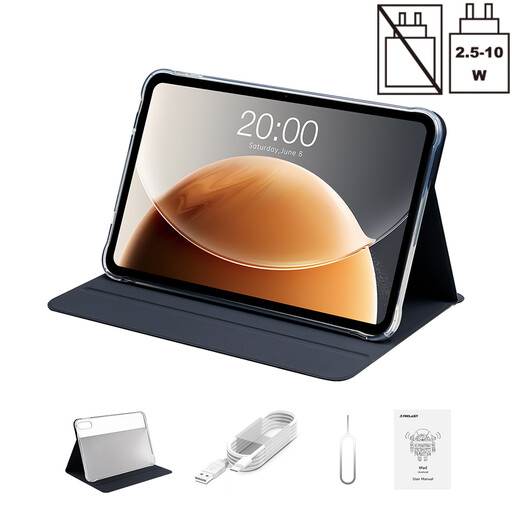
TECLAST T65, 13.4-inch, 120 Hz, Android 16, 128 GB, with folio case
The 13.4-inch screen makes this an option to compare if you want to view neighbourhood maps on a larger display.
The product name lists a 120 Hz refresh rate, Android 16, 128 GB storage and a folio case.
Joybuy
 No image available
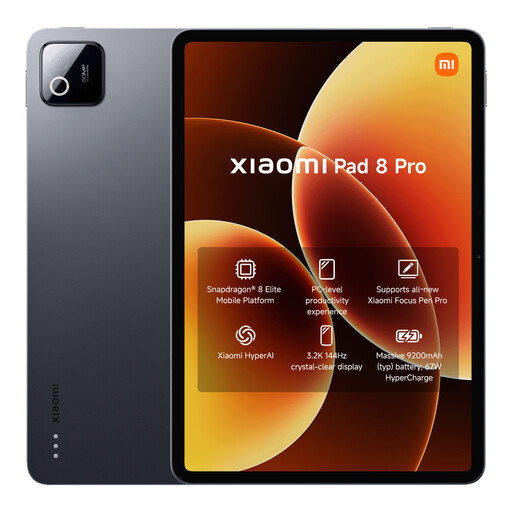
Xiaomi Pad 8 Pro, grey, 12 GB RAM, 512 GB ROM
Compare this tablet with the map viewer you use before making a choice based on the model name alone.
The product name lists 12 GB RAM and 512 GB ROM.
Joybuy
 No image available
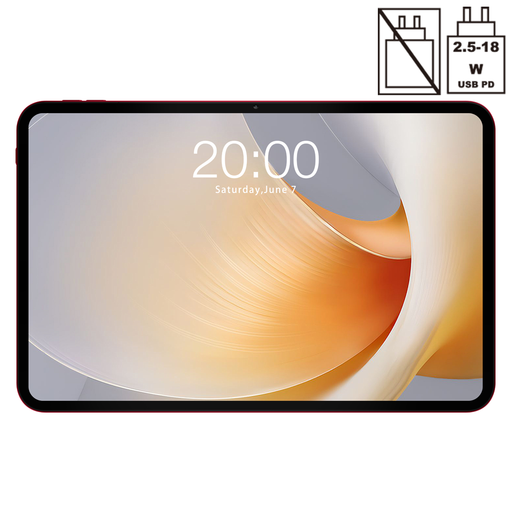
TECLAST T65 Plus, 13.4-inch, 120 Hz, Android 15, 20 GB RAM, 256 GB ROM
The 13.4-inch screen is worth considering alongside other sizes if you want to compare the map and legend while studying.
The product name lists Android 15, 20 GB RAM (8 GB + 12 GB virtual) and 256 GB ROM.
Joybuy
 No image available
TECLAST ArtPad Pro, 12.7-inch, T Pen compatible, 4G LTE + 5G Wi-Fi
This tablet is worth comparing if you also want to take handwritten notes while studying maps; check whether the stylus you want is included with this version.
The product name lists 20 GB RAM (8 GB + 12 GB virtual), 256 GB storage and 4G LTE + 5G Wi-Fi.
Joybuy
Frequently asked questions
Can I use a standard offline map instead of a downloaded heat map?
Don’t assume you can. Google Maps Help explains offline areas for Google Maps, while the Climate Impact Atlas has its own themed map layers. Test whether the heat map and legend you need are available offline.
How do I set up my tablet for reading maps in the evening?
Adjust the brightness, then check that you can still read the map legend clearly. Apple Support describes brightness settings and Night Shift for iPad; Google Android Help warns that an enhanced dark display can change images and text in apps.
Do I need an account to use an online map dashboard?
It depends on the dashboard. According to Esri, publicly shared ArcGIS Dashboards can be viewed anonymously; non-public dashboards require membership of an ArcGIS organisation. Check the access requirements for the viewer used by your course.
What are my rights when buying a tablet online in the Netherlands?
For a standard online consumer purchase in the Netherlands, ACM ConsuWijzer says you generally have a statutory cooling-off period of up to 14 days after delivery; check which exceptions may apply to your purchase. Statutory guarantees also depend on what you could reasonably expect from the product. There is no standard two-year guarantee period that applies in every case.


