
Readers of maps and study PDFs
If you want to view and zoom in on legends, photos and pages with a fixed layout, a sufficiently large screen and a suitable reading app can help. The Consumentenbond lists tablets as an option for reading PDFs.


For illustrated geography books and PDFs that retain their original page layout, a tablet with a sufficiently large screen and a suitable reading app is a sensible choice, as you can enlarge maps and legends. Before buying, check how the screen performs outdoors and whether your books work offline. If you mainly read continuous text in bright sunshine and have few opportunities to charge, compare e-readers too, although they may be less suitable for image-rich books and PDFs.
If you want to view and zoom in on legends, photos and pages with a fixed layout, a sufficiently large screen and a suitable reading app can help. The Consumentenbond lists tablets as an option for reading PDFs.
If you regularly read outdoors, you’ll need to consider reflections, portability and changing light conditions. A tablet isn’t automatically easy to read in bright sunshine.
If you want to save books in advance, check that your reading app works offline and plan when you’ll be able to charge your device.
| What to consider | What should you check? | Who is this important for? |
|---|---|---|
| Maps and PDF pages | Open a representative map in the app you plan to use, then check the legend, zoom function and full-page view. Balance screen size against weight and ease of handling. | If I want to read small legends and pages with a fixed layout, having room to view details matters. Around 33% of consumers prioritise maps and illustrated PDFs. |
| Outdoor light | View a page from your own book outdoors and look for reflections. Compare brightness figures only when they refer to the same screen mode. | If I want to read outside the tent, I need to see whether reflections make it harder to view my book. Around 27% of consumers prioritise readability in outdoor light. |
| Offline reading and charging | Download your books in advance and test them without an internet connection. Check which charging accessories are included with the model and plan how to charge safely. | When internet access or opportunities to charge are uncertain, I want to have my books ready in advance and know how I can charge my device. This is the main priority for around 27% of consumers, who prioritise offline access and charging plans. |
| Ease of handling | Compare the weight of the exact model, including the case you plan to use. Try reading with the tablet in your hand and on a table. | If I read for long periods, I want a device that’s comfortable to hold without carrying more page space than I need. Around 13% of consumers say ease of handling matters most. |
An image-rich geography book or an A4 PDF can be difficult to read on a small e-ink screen.
First, view a representative map page on the device you’re considering. Weigh outdoor readability against colour, fixed layouts and the ability to zoom in.
Manufacturers may quote figures for a special outdoor or high-brightness mode. That figure alone doesn’t prove that the screen will be comfortable to read at your campsite; reflections may still be an issue.
Check which mode the figure applies to and try viewing a page from your own book outdoors.
What’s included in a bundle varies by model. A book also needs to be downloaded before you can read it offline.
Before you leave, check what’s in the box, whether the pen is compatible and whether your titles are available offline.
You may need to arrange a suitable pen, adapter or access to a book separately, so check the details for the model you’ve chosen.
The Galaxy Tab S10 FE range is worth considering if you want to read maps and may want to annotate them with a pen.
The 11-inch iPad (A16) could suit you if your book app works on iPadOS and you’d like to use the tablet for other things too.
The Idea Tab range is worth considering if you use a geography textbook alongside your notes.
The Redmi Pad 2 is an Android option to consider if offline books and charging plans are important to you.
These Joybuy tablets are worth comparing if you want to read maps, illustrated pages or PDFs at a campsite. Consider screen size, ease of handling, offline access and the charging accessories you’ll need.
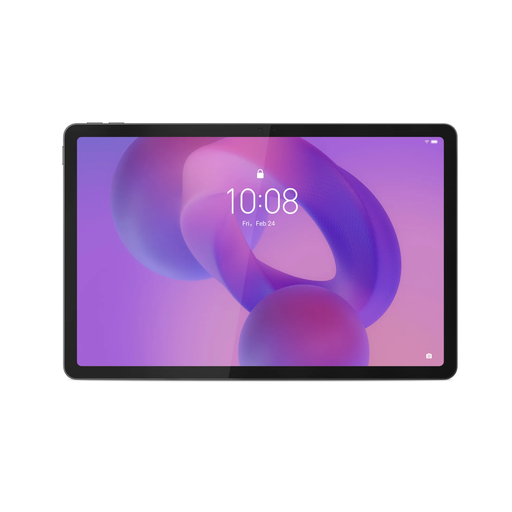 No image available
The stated 11-inch screen is worth comparing if you want to view map pages.
11-inch IPS screen, 2560 × 1600 pixels, 90 Hz and 500 nits; Android 15. The brightness figure doesn’t guarantee readability in direct sunlight.
According to the product information, a charger isn’t included and must be arranged separately. The product information advises against prolonged exposure to sunlight.
 No image available
The 12.1-inch screen could suit you if you want more room for maps and notes; bear in mind that it may be less easy to handle.
12.1-inch 2.5K screen, 8 GB RAM and 256 GB storage. The product description says that a Lenovo Pen is included. Colour: Rose.
 No image available
The 12.7-inch screen could be useful if you want to view maps and images on a larger display; it’s less easy to hold for long periods.
The product title lists a 2K screen, 20 GB RAM (8 GB + 12 GB virtual), 256 GB storage and an included stylus pen.
The product information advises against prolonged exposure to sunlight.
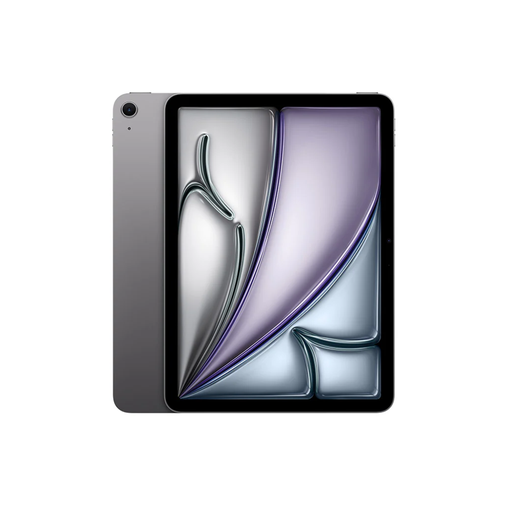 No image available
The 13-inch size gives you room to view maps, but the tablet may be less easy to hold for long periods.
The product information lists a 13-inch Liquid Retina display and 128 GB of storage.
According to the product details, an adapter isn’t included, so you’ll need to arrange a suitable charging solution.
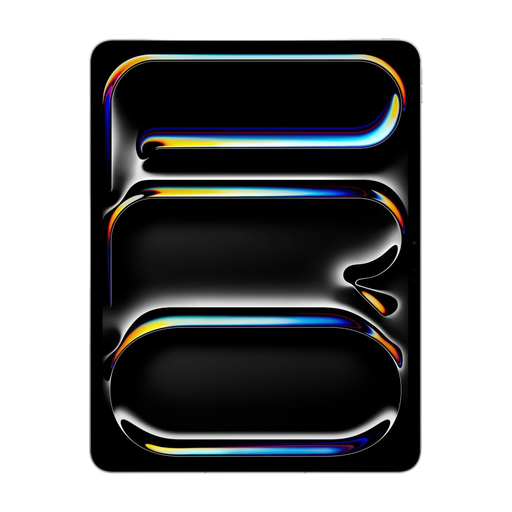 No image available
The 13-inch screen could suit you if you want to view map details on a spacious display; weigh this against the less portable size.
The product information lists a 13-inch OLED display with a resolution of 2752 × 2064 pixels.
According to the product details, an adapter isn’t included, so you’ll need to arrange a suitable charging solution.
Yes, as long as you’ve downloaded the books in advance and the app supports offline reading. Google explains how to read books offline in Google Play Books on an Android device after downloading them in advance. Check other apps and editions separately, and test your books without an internet connection before you leave.
No. An IP68 rating doesn’t mean you can expose your tablet to water without concern. Check the protection rating and conditions for the exact model, and keep ports and charging equipment dry. Don’t charge the tablet if any parts are damaged or wet.
The Fire Service advises, among other things, charging on a hard surface, preferably while you’re nearby, and unplugging the charger once the device has finished charging. Also check which compatible adapter you need for your tablet.
For a standard online consumer purchase, you generally have a statutory 14-day cooling-off period after delivery, subject to legal exceptions. You’re also entitled to a statutory guarantee if the product doesn’t perform as you could reasonably expect with normal use. ACM ConsuWijzer points out that the law doesn’t specify a general fixed period of two years for this; the retailer is your point of contact.