Start by thinking about how you work: using offline maps, reading large documents or making notes. A larger screen gives you more room to read, but is less portable. Before buying, also check the storage, stylus and app compatibility of the exact model.
Who is this guide for?
People reading offline maps and documents
You take research materials to places where the connection is unavailable or unreliable, and want to check in advance that the files are actually stored on your device. Esri describes a workflow for ArcGIS Field Maps in which maps are prepared and downloaded for offline use.
People reading large research reports
You look through lots of pages, maps or figures, and weigh up the extra screen space against carrying a larger device. The Consumers’ Association notes that extra-large tablets are less convenient to carry around.
Researchers who take notes
You want to highlight or write as you read. So check whether the stylus you want is supported and included with the model, and whether your research app works with your files.
What should you look for when choosing?
Start with the files and apps you actually use. Then decide how much screen space you need and whether portability or note-taking matters more to you.
| What to consider |
What should you check? |
Who is it most important for? |
| Offline access |
Check that your files are stored locally and that the app supports offline use. Prepare map areas in advance and download them if you use ArcGIS Field Maps. |
If you need materials without a connection, you’ll want to make sure in advance that your files and maps will open. Around 33% of consumers say offline access is their main need. |
| Room to read |
Compare screen sizes using a report page or map of your own. Weigh the extra space against carrying a larger device. |
If being able to see reports or maps clearly is your priority, a larger screen may matter more than portability. Around 27% of consumers prioritise screen space for reading. |
| Note-taking |
Check stylus compatibility, what’s included with the model you’ve chosen and whether the app supports annotations on your files. |
If you mainly want to highlight or write on documents, you’ll want to know whether the stylus suits your model and workflow. Around 20% of consumers say annotation is their main need. |
| Portability outdoors |
Compare the size and weight with how you plan to carry the tablet. Don’t assume the stated brightness guarantees readability in direct sunlight. |
If carrying and using your tablet outdoors is essential, a more compact device may be more practical, though it will give you less room on screen for maps or documents. Around 20% of consumers prioritise portability outdoors. |
Buying pitfalls
-
Assuming an online map is available offline
Being able to view a map with an internet connection doesn’t mean the area you need is ready on your device. For ArcGIS Field Maps, Esri describes how to prepare and download maps for offline use.
Check the map area and open it on your device without a connection before you need it.
-
Confusing stylus support with a stylus being included
A tablet may work with a stylus even if the one you want isn’t included with the model you’ve chosen.
Compare the full model name, the compatible stylus and what’s included with that specific version.
-
Assuming similar model names mean the same version
Lenovo says the Idea Tab Pro Gen 2 has a 13-inch screen; a description of an Idea Tab Pro with a 12.7-inch screen doesn’t necessarily refer to the same model.
Check the full model name and screen specifications, not just the words “Idea Tab Pro”.
-
Assuming shop information confirms a fixed statutory guarantee period
According to the Dutch government, the Netherlands has no fixed statutory guarantee period. A manufacturer’s guarantee is separate from your right to a product that is fit for purpose.
Keep your proof of purchase and contact the seller if there’s a fault.
Brands to consider
Apple
The 11-inch and 13-inch iPad Air models are an option if you want to use iPadOS and its range of research apps.
- Apple lists storage options starting at 128 GB for both sizes, and support for Pencil Pro and Pencil (USB-C).
- According to Apple, the 13-inch Wi-Fi model weighs more than the 11-inch Wi-Fi model. Check app compatibility and the stylus separately.
Samsung
The Galaxy Tab S10 FE series is worth considering if you’re looking at an Android tablet with stylus support and a choice of screen sizes.
- Samsung lists S Pen support and brightness of up to 800 nits in HBM for the series.
- These are manufacturer specifications. Check the exact model, included accessories and readability in the conditions you’ll be using it in.
Lenovo
The 11-inch Idea Tab models and 13-inch Idea Tab Pro Gen 2 offer different screen sizes and levels of portability.
- Lenovo lists a 13-inch screen with AF coating for the Idea Tab Pro Gen 2, and a stylus for certain Idea Tab models.
- Bundles and models vary. Make sure you’re comparing the Idea Tab Pro Gen 2, not an older Idea Tab Pro.
Tablets on Joybuy
These Joybuy tablets may suit anyone considering Android models with storage for locally saved materials and a larger screen. Check the stylus, app compatibility and other specifications for each model.
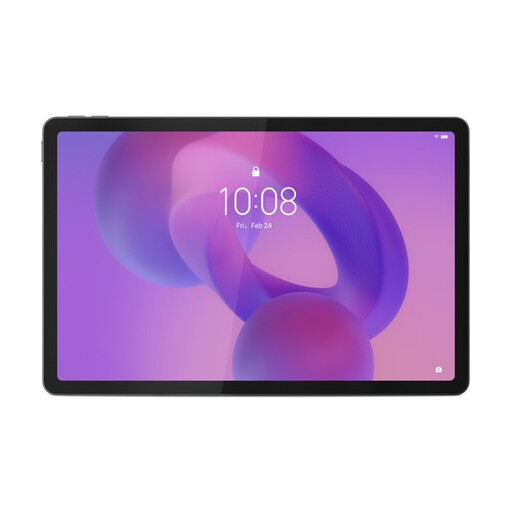 Image unavailable
Lenovo Idea Tab Pro TB373FU, 12.7-inch, 3K, 256 GB
Worth considering if you want to view larger report pages and need files stored locally.
12.7-inch 3K screen; 256 GB storage; 8 GB RAM; Wi-Fi 6E.
Check whether a stylus is included in the bundle and whether your research app is compatible with this model.
Joybuy
 Image unavailable
Lenovo Idea Tab Plus, 12.1-inch, 2.5K, 256 GB, with stylus
The listed stylus makes this model a good option if you want to take notes as you read.
12.1-inch 2.5K screen; 8 GB RAM; 256 GB storage.
Check that the apps you use support your files and the way you want to annotate them.
Joybuy
 Image unavailable
TECLAST ArtPad Pro, 12.7-inch, 256 GB, compatible with T-pen
An option if you want a larger screen for documents and a tablet that’s compatible with a T-pen.
12.7-inch screen; Helio G99; 20 GB RAM (8 GB + 12 GB virtual); 256 GB storage; 4G LTE and 5G Wi-Fi.
Check which stylus suits your needs and whether your research app is available for this model.
Joybuy
 Image unavailable
TECLAST ArtPad Pro, 12.7-inch 2K, 256 GB, with stylus
The product name says a stylus is included, which may be useful if you want to take notes as you read.
12.7-inch 2K screen; 20 GB RAM (8 GB + 12 GB virtual); 256 GB storage.
Before relying on this model for your research workflow, check that your chosen app supports your files.
Joybuy
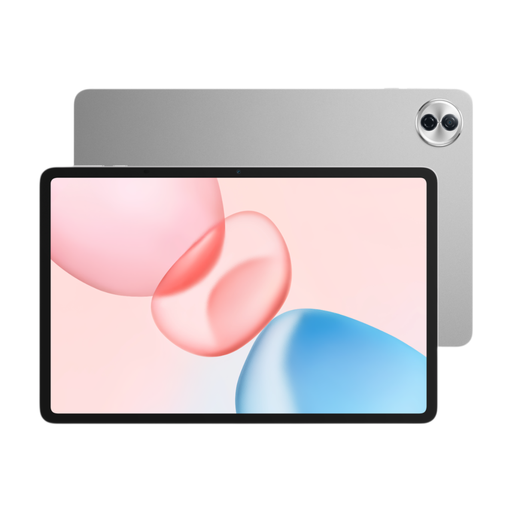 Image unavailable
HONOR Pad 10, 12.1-inch 2.5K, 256 GB, 8 GB RAM
A larger screen may suit you if you prefer more space for reports and maps. Check that this model meets your annotation needs.
12.1-inch 2.5K screen; 120 Hz; 256 GB storage; 8 GB RAM.
Check the compatibility of your research app and any stylus separately.
Joybuy
Frequently asked questions
Can I open a research map without an internet connection?
Yes, if the app and map you’re using support it and you’ve saved the map to your device in advance. Esri describes how to prepare and download offline map areas for ArcGIS Field Maps. Before you set off, check that your project and map are ready.
How can I check that my materials are actually available offline?
Download your files and any prepared map areas, then open them on your device without a network connection. Test the complete workflow you’ll need; Esri distinguishes between viewing an online map and downloading an offline area.
Am I automatically covered by a two-year statutory guarantee in the Netherlands?
No. According to the Dutch government, the Netherlands has no fixed statutory guarantee period of two years. You’re entitled to a product that is fit for purpose; if there’s a fault, contact the seller. A manufacturer’s guarantee is separate.
Can I return a tablet bought online if I don’t like the size?
For eligible distance purchases from a business, the Dutch government says you’ll generally have 14 days to change your mind. Check the terms of your purchase; purchases from a private seller aren’t automatically covered by this rule.
Does every tablet in the Netherlands need an EU energy label?
No. According to the European Commission, the labelling rules apply from 20 June 2025 to slate tablets placed on the EU market from that date, but not to all tablet computers, including devices with a desktop-style operating system. So the absence of a label doesn’t, by itself, prove that rules have been broken.


