For writing an entire dissertation on one device, a Windows 2-in-1 may be better suited to a desktop-style writing and referencing workflow. However, if you’re considering a Snapdragon/Arm model, first check that your word processor and plug-ins will work. If you already use a computer for final editing, an iPad, Android tablet or paper-like tablet may suit you for reading and annotating; just factor in accessories and transferring your notes.
Which workflow is right for you?
Writing your dissertation on one device
You want to write chapters in the library and manage references in your final document. The word processor and referencing plug-in you need matter more to you than pen features. Leiden University and Zotero explain the importance of sources and references when working on a dissertation.
Reading sources, with a computer at home
You read and annotate articles on a tablet, but also use a computer to work notes and citations into your dissertation. Zotero describes a workflow for iOS and Android in which you continue working with annotations on a computer later.
Working on the go in the library
You move between study spaces and want to read and type in a portable set-up. That means the size, keyboard and accessories you need to carry all matter.
What should you look for in a tablet for your dissertation?
Windows 2-in-1 as your main device
A good fit if: you write long chapters and want to manage your dissertation using a desktop-style workflow.
The trade-off: the keyboard and pen may be optional extras; check that your software and plug-ins work on the specific Arm model.
iPad for reading and working on the go
A good fit if: you work with PDFs and notes on your iPad, and can finish your citations or final formatting on a computer if needed.
The trade-off: a compatible Magic Keyboard is sold separately; Zotero describes continuing to work with iPad annotations on a computer.
Android tablet for pen annotations
A good fit if: marking up articles and making handwritten notes are your priorities, and you can finish your dissertation on a computer.
The trade-off: what’s included in the box varies by version; also check how annotations will fit into your computer-based workflow.
Paper-like tablet for reading and draft notes
A good fit if: you mainly read PDFs and write draft text or notes, while using a computer for your final dissertation.
The trade-off: reMarkable says its Word-to-notebook feature is in beta for Connect subscribers and removes elements including tables, columns and margins.
| What to consider |
What should you check? |
Who should pay attention? |
| Long documents and citations |
Test your word processor, referencing plug-in and keyboard layout with a document of your own. |
If I want to finish my chapters and citations on one device, I want to test my own software first. Around 36% of consumers prioritise writing and citing everything on one device. |
| Reading and annotating PDFs |
Check pen support and try out how annotations make their way into your notes and dissertation. |
If I mark up articles and want to find my notes later, I look at how easily they transfer to my writing workflow. Around 29% of consumers give reading and annotating top priority. |
| Workspace and portability |
Consider the tablet, stand and keyboard as a set; pay attention to screen size and keyboard layout. |
If I work in different library spaces, I want a set-up that’s practical to use in each one. Around 21% of consumers place particular importance on working in different locations and portability. |
| Total cost |
Check which accessories and any subscription features are included with the version you’ve chosen. |
If I want to keep my spending under control, I want to know in advance which items I’ll need for my writing set-up. Around 14% of consumers prioritise total cost. |
Common buying pitfalls
-
Assuming a keyboard gives you a complete desktop workflow
A keyboard lets you type, but that alone doesn’t tell you whether your word processor, referencing plug-in and course software will work. Zotero describes a follow-up step on a computer for mobile annotations; compatibility with specific software may also be an issue with Windows on Arm.
Before buying, try writing a chapter using your required referencing style, plug-in and final formatting.
Allow time to transfer your work or edit it on another computer.
-
Comparing tablets alone and forgetting the accessories
Your writing set-up may need a compatible keyboard or pen. Apple sells the Magic Keyboard separately, and Microsoft lists the keyboard for the Surface Pro 12-inch (1st Edition) as optional; bundles vary by version.
Check what’s included with the exact version you want to buy, and compare the complete set-up.
A compatible keyboard, pen or required software may be sold separately.
-
Expecting an imported Word document to keep the same formatting
reMarkable says Convert to Notebook removes elements including tables, columns and margins. According to the current documentation, the feature is in beta for Connect subscribers.
Use this option for reading and drafting, unless a test with your own dissertation document shows that it preserves enough of the formatting.
Check the document formatting after conversion and allow for any corrections you may need to make.
Brands to consider
Microsoft
Surface Pro is a Windows 2-in-1 for anyone looking to combine a tablet with a laptop-style writing set-up.
- Microsoft lists a compatible keyboard as an optional extra for the Surface Pro 12-inch (1st Edition).
- Microsoft describes emulation for many x86/x64 apps on Windows on Arm, but also notes possible issues with dependencies and drivers. So check that your academic software will work.
Apple
The iPad Air M4 is an option for reading, note-taking and typing on the go with a compatible accessory.
- Apple lists Pencil support and offers a compatible Magic Keyboard for the 11- and 13-inch iPad Air.
- The Magic Keyboard is sold separately. Zotero describes continuing to work with iPad annotations on a computer.
Samsung
The Galaxy Tab S10 Lite is an Android option for anyone who values pen annotations.
- Samsung says this model comes with an S Pen and has a 10.9-inch screen.
- Zotero describes continuing to work with Android annotations on a computer; pen support isn’t the same as a complete desktop workflow for citations.
Lenovo
The Idea Tab Pro Gen 2 is worth considering if you’re looking for a larger screen and a bundle with input accessories.
- According to Lenovo, the 13-inch bundle examined in the Netherlands includes a pen and a QWERTY keyboard with a US International layout.
- This bundle description doesn’t automatically apply to other Idea Tab Pro versions. Android also offers a different writing workflow from a desktop computer.
reMarkable
Paper Pro with Type Folio is designed for reading, annotating and drafting notes.
- reMarkable offers a Type Folio made specifically for Paper Pro.
- The Word-to-notebook feature is in beta for Connect subscribers and doesn’t preserve all document formatting; don’t treat it as a replacement for final dissertation formatting.
Joybuy tablets for working in the library
These Joybuy picks are suited to reading, making notes and typing on the go. Check which accessories are included with each model and whether its workflow works with your dissertation software.
 No image available
TECLAST ArtPad Pro, 12.7-inch, 2K, 256 GB
An option for reading and taking notes with a stylus.
The product name lists a 12.7-inch 2K screen, 20 GB RAM (8 GB + 12 GB virtual), 256 GB storage and an included stylus.
Joybuy
 No image available
iFLYTEK AINOTE 2, 10.65-inch E-Ink
A paper-like tablet for reading and drafting notes.
The product name lists a 10.65-inch E-Ink screen. The product description mentions handwriting-to-text conversion and note syncing.
Joybuy
 No image available
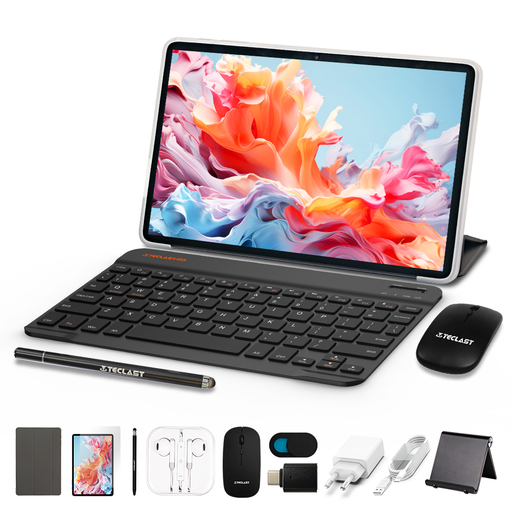
TECLAST P30TCase, 10.1-inch, Android 16
An option for anyone who wants to type and take notes on the go in different study spaces.
The product name lists a 10.1-inch tablet with Android 16, 16 GB RAM (3 GB + 13 GB virtual), 128 GB storage, a keyboard, mouse, stylus and case.
Zotero describes continuing to work with Android PDF annotations on a computer later.
Joybuy
 No image available
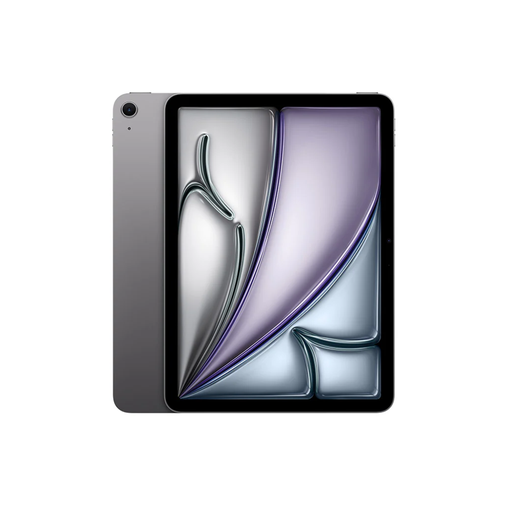
Apple 11-inch iPad Air M4 Wi-Fi, 256 GB, Space Grey
An option for reading and working on the go, with Apple Pencil support.
The product name lists an 11-inch iPad Air M4 with Wi-Fi and 256 GB storage. The Magic Keyboard is sold separately.
Zotero describes a follow-up step on a computer for working with iPad annotations and active citations.
Joybuy
 No image available
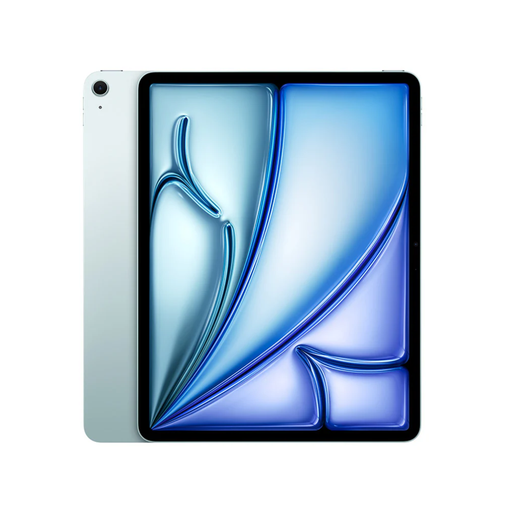
Apple 13-inch iPad Air M4 Wi-Fi, 128 GB, blue
An option for reading and working on the go, with a larger screen than the 11-inch version.
The product name lists a 13-inch iPad Air M4 with Wi-Fi and 128 GB storage. The Magic Keyboard is sold separately.
Zotero describes a follow-up step on a computer for working with iPad annotations and active citations.
Joybuy
Frequently asked questions
Can I insert Zotero citations on an iPad or Android tablet in the same way as on my computer?
Don’t assume you can. Zotero describes mobile apps for reading and annotating, and says you can then use a computer to add those notes with active citations. Test the workflow with the document format and referencing style required by your course.
How do I set up my tablet for a writing session in the library?
Connect a keyboard that’s compatible with your model and test it with one of your own documents and source notes. Microsoft says the keyboard for the Surface Pro 12-inch (1st Edition) is optional; Lenovo lists a pen and keyboard with the Idea Tab Pro Gen 2 bundle examined.
Should I factor in a subscription to use Word on a tablet?
It depends on your device and the features you need. Microsoft lists premium features for mobile Microsoft 365 apps under an eligible subscription and distinguishes between devices and screen sizes; check what’s available with your own account and course.
What are my rights when I buy a tablet online in the Netherlands?
According to ACM ConsuWijzer, for a standard online product purchase you generally have a statutory cooling-off period of up to 14 days after delivery, subject to exceptions. Your statutory guarantee is separate from the manufacturer’s warranty: if a product doesn’t perform as you could reasonably expect under normal use, the seller is responsible for providing an appropriate solution.


