Start with the project file and the app you need to open or edit it in: local storage alone won’t guarantee a usable design workflow. QField documents how to edit locally copied QGIS projects offline, including the project components you’ll need. Then choose a tablet based on the screen space, stylus support and portability you want. If you need specific desktop software, check the operating system and processor architecture too.
Who is this choice relevant to?
Student working with local map projects
You want to take project files and map layers with you and open or edit them without a constant internet connection. The file structure and app you use both affect whether this is possible; QField documentation explains how to work offline with locally copied project files.
Designer annotating plans
You view drawings and maps and add comments. Screen size and a suitable stylus that’s actually included with the model are practical things to consider. Apple, Samsung and Lenovo describe different screen sizes and stylus options across the product ranges mentioned here.
Student who needs specific desktop software
You need to use a specific design or GIS application for your course. Check both the operating system and processor architecture: Microsoft offers Surface Pro models with different processors, and Autodesk notes a compatibility limitation for its Windows desktop products on Arm devices.
What should you look for?
Test your own project file with the app you plan to use, then check the screen space, stylus and portability. QField recommends using all the necessary project components together. If you’re using external storage, also check that the connection, file format and app are suitable.
| What to consider |
What should you check? |
Who is this important for? |
| Local project files |
Take a complete sample project and test whether all the files open offline in your chosen app. |
If I need map layers, styles and other project components without internet access, I want to be able to open them together. Around 29% of consumers give local project files top priority. |
| Desktop software |
Check the exact software version, operating system and processor architecture. |
If my course requires a desktop programme, I want to know in advance whether the model I choose supports it. Around 18% of consumers put software compatibility first. |
| Screen space |
Compare the screen size of the exact model with the space you need to view plans. |
If I want to assess details on maps and design plans, having enough room to work is important. Around 23% of consumers choose screen space as their top priority. |
| Stylus and what’s in the box |
Check which stylus is compatible with the model and whether it’s actually included. |
If I want to add comments directly to plans, I want to know whether the stylus works with my app and comes with the tablet. Around 18% of consumers put stylus annotation first. |
| Portability |
Compare the weight and size of the tablet itself; only include accessories if you plan to take them with you too. |
If I take the tablet between places of study, I want to weigh its weight against the screen space I need. Around 12% of consumers make portability their top priority. |
Common buying mistakes
-
Copying only the main QGIS file
A project may also need datasets, styles and other supporting files. Without them, it may not work as intended.
Transfer a complete sample project and open it on the tablet while offline.
For some models, you may need to buy a stylus separately.
-
Assuming a mobile drawing app offers the same workflow as desktop software
A mobile app may let you view or edit drawings, but that doesn’t prove it offers all the features of the desktop software. Autodesk also notes that a drawing must first be downloaded to a mobile device over the internet before it can be used offline.
Test your own file to make sure you can do everything you need for your course.
If a mobile app isn’t enough, you may need to do some tasks on another device.
Brands to consider
Apple
The iPad Air (M4) is an option if you can do your project work in suitable iPad apps and want to choose between an 11- or 13-inch screen.
- Apple lists support for Apple Pencil Pro and Apple Pencil (USB-C) for both sizes.
- A Pencil isn’t listed in Apple’s stated box contents. Also check whether the project app you need can edit your files.
Samsung
The Galaxy Tab S10 FE series is an Android option if you want to work on projects in a suitable Android app and use a stylus.
- Samsung lists a 13.1-inch screen for the Galaxy Tab S10 FE+.
- Check that the app and model you choose are suitable for your project; the screen and stylus information doesn’t confirm support for a specific GIS workflow.
Lenovo
The Idea Tab Pro is an Android option if you’re considering a large screen and extra local storage via microSD.
- Lenovo specifies a 12.7-inch screen and microSD support for this product range.
- The stylus may be included or sold separately, depending on the configuration. Check the full model code and box contents.
Microsoft
The Surface Pro for Business, 11th Edition with Intel Core Ultra is a Windows tablet option if you need supported desktop software.
- Microsoft specifies a 13-inch screen for the Intel configuration mentioned here.
- Surface Pro models are also available with Snapdragon processors. Autodesk says its Windows desktop products are not officially supported on Arm devices, so check your programme’s requirements.
Tablets at Joybuy
These Joybuy picks are Android tablets for studying, maps and local files. Compare the screen sizes and storage listed with your project needs, and check that the app you need works on the model you choose.
 No image available
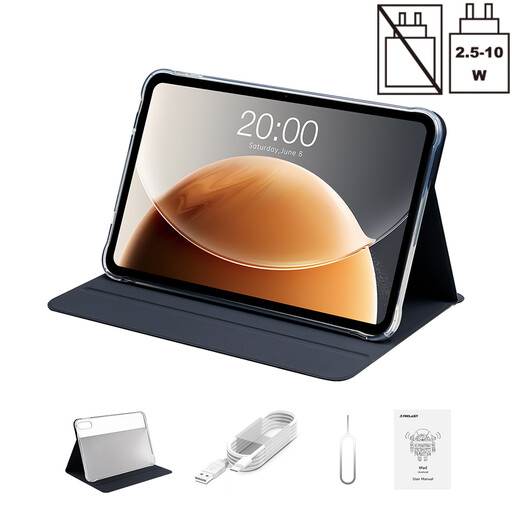
TECLAST T65, 13.4 inches, Android 16, 128 GB
The product title lists a 13.4-inch screen and 128 GB of storage. Check that your project app and file structure work on this model.
The title also lists a 120 Hz refresh rate and a folio case.
View at Joybuy
 No image available
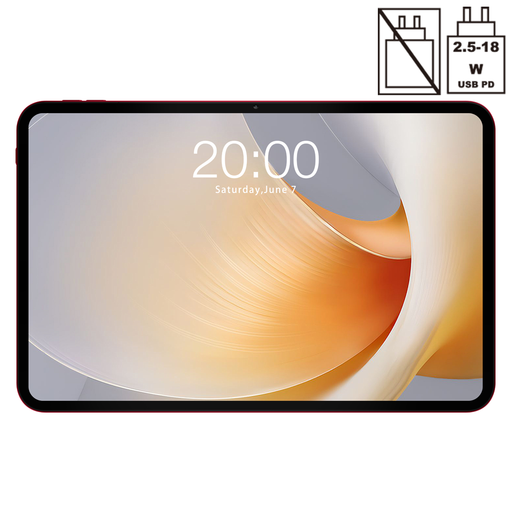
TECLAST T65 Plus, 13.4 inches, Android 15, 256 GB
The title lists 256 GB of storage and a 13.4-inch screen. Test your own project to check that the app you choose works with the files offline.
The title also lists a 120 Hz refresh rate.
View at Joybuy
 No image available
Lenovo Idea Tab Plus WiFi, 12.1 inches, 2.5K, 8 GB RAM, 256 GB, with stylus, Rose
The title lists 256 GB of storage and an included stylus, which may be useful if you save files locally and annotate plans. Check that the design app you use is suitable.
The title gives the screen size as 12.1 inches. Balance the workspace you need against the size you want to carry.
View at Joybuy
 No image available
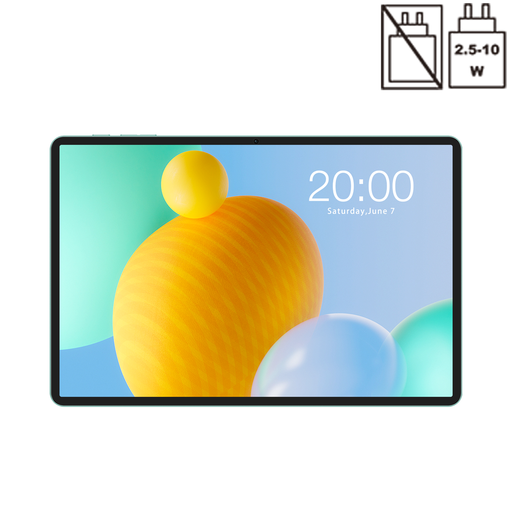
TECLAST P50, 11 inches, Android 16, 128 GB
The title lists 128 GB of storage and an 11-inch screen. Check whether there’s enough screen space for your plans and whether your app supports the project files.
The title also lists a 90 Hz refresh rate.
View at Joybuy
 No image available
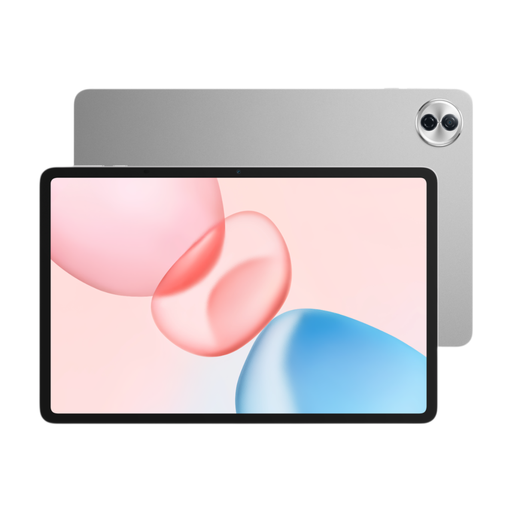
HONOR Pad 10, 12.1 inches, 2.5K, 256 GB, 8 GB RAM
The title lists 256 GB of storage and a 12.1-inch screen with 2.5K resolution. Check that there’s enough room for your plans and that the app you want to use is compatible.
The title lists a Snapdragon 7 Gen 3 processor and a 120 Hz refresh rate.
View at Joybuy
Frequently asked questions
Can I use a QGIS project on a tablet without internet access?
Yes. QField documents how to edit locally copied QGIS projects offline on mobile devices. Take the necessary datasets, styles and other project components with you, and test your own project before relying on it.
Can an iPad read files from a USB stick or SD card?
Yes. Apple says you can do this through Files or another supported app, provided the connection and format are suitable. This doesn’t automatically mean your design app can edit the file.
Is a Surface Pro with Snapdragon suitable for AutoCAD desktop software?
Don’t assume so without checking. Microsoft lists both Snapdragon and Intel versions of the Surface Pro; Autodesk says its Windows desktop products are not officially supported on Arm devices. Check the exact processor and software version.
How much statutory guarantee am I entitled to when buying in the Netherlands?
In the Netherlands, ACM ConsuWijzer says there is no fixed statutory guarantee period: you’re entitled to a product that does what you could reasonably expect it to do. If a product is faulty, the seller is responsible for providing an appropriate solution; a commercial guarantee doesn’t take away that right.
Can I try out a tablet bought online and return it if necessary?
According to ACM ConsuWijzer, online purchases usually come with a statutory cooling-off period that ends 14 days after delivery. Check the conditions for carefully trying out and returning the product; this is separate from your rights if the product is faulty.


