
Reader between appointments
You want to open feedback during short breaks without carrying around a large device. Consider how the screen size balances portability, and whether you need reliable internet access while out and about.


For short reading sessions between appointments, a compact model is an obvious choice. For longer forms or lots of note-taking, a larger screen with a suitable pen or keyboard may be more practical. Also consider which connection you can use while out and about, and check that your course platform works with the tablet’s operating system. If feedback contains personal data, make sure the security settings also meet your organisation’s requirements.
You want to open feedback during short breaks without carrying around a large device. Consider how the screen size balances portability, and whether you need reliable internet access while out and about.
You read longer forms and regularly add comments or mark them up. Screen space and pen support may matter, but also check that your course platform supports the input method you want to use.
If feedback contains information that can identify someone, make sure the device’s access, storage and update settings comply with your organisation’s security policies. Not all course feedback contains personal data.
Start by thinking about how you read or process feedback. Then compare screen size, connectivity and the features your course platform actually supports.
| What to consider | What should you check? | Which consumers is this most important for? |
|---|---|---|
| Easy to carry | Compare the weight and screen diagonal of the exact model; try viewing a sample form, too. | If you often take your tablet between appointments and mainly read short replies, portability is a key factor. Around 26% of consumers rank this as their main need. |
| Room to read | Check that your form is easy to read and that zooming and navigation work well. | For longer replies, you’ll want to see enough text at once without having to navigate constantly. Around 21% of consumers prioritise screen space for reading. |
| Connectivity while out and about | Check whether offline reading or tethering to your phone is enough, and whether the model has LTE or 5G. | If you need to open online feedback between locations, you’ll want to know what connectivity is available there. Around 21% of consumers consider independent internet access while out and about their main need. |
| Annotating and replying | Check pen compatibility, app support and which accessories are included with the model. | If you often add comments or mark up feedback, support for your preferred way of working matters. Around 16% of consumers give annotating their highest priority. |
| Feedback security | Ask which access, storage and update settings your organisation requires. | If you process feedback containing personal data, the security measures must be appropriate to the requirements and risks involved. Around 16% of consumers prioritise this protection. |
Manufacturers distinguish between Wi-Fi and mobile-data models, even when their names look similar. A Wi-Fi tablet may therefore be unable to connect to the internet independently while you’re out.
Check the full model specification and make sure you have an approved connection at the places you usually visit.
You may need a separate mobile data plan.
A bigger screen can give you more room for longer forms, but it’s less compact to carry around frequently. Apple lists the Wi-Fi iPad mini as 8.3 inches and 293 grams, and the Wi-Fi iPad (A16) as 477 grams and around 11 inches. These are model specifications, not a test of readability.
View a representative form on the screen size you’re considering and weigh that against how often you’ll carry the tablet.
Accessories and compatibility vary by model and offer. Microsoft describes the keyboard for the Surface Pro 12-inch (1st Edition) as optional; Apple specifies support for each Pencil type.
Check what’s included in the exact offer and whether the pen or keyboard works with your course platform.
You may need to buy a compatible accessory separately.
If feedback contains personal data, your organisation can’t rely on device specifications alone: security must be appropriate to the data processing and the associated risks.
Before putting work data on a device, check that access, storage and updates comply with the responsible organisation’s policy.
The iPad mini is a compact option for reading, while the 11-inch iPad (A16) offers more screen space and supports certain Apple Pencils.
The Galaxy Tab A11 LTE combines a compact size with a mobile-data model. The Galaxy Tab S10 FE series is worth considering if you want to use an S Pen.
The Redmi Pad 2 is an Android option with an 11-inch screen to compare if screen space for reading is important.
The Idea Tab Pro Gen 2 is a larger-screen Android option for anyone who wants more room to read and work with feedback.
Surface Pro is worth considering if your workflow requires Windows software or you regularly use a keyboard.
These tablets are suited to reading course feedback between appointments, with options ranging from a larger screen or compact size to a model with mobile data.
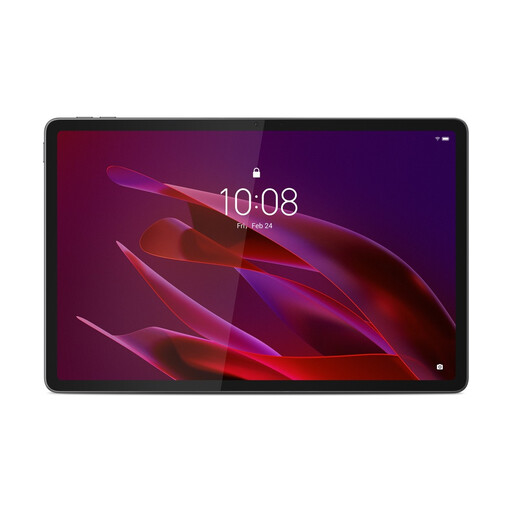 No image available
A good fit if you want to read feedback and perhaps make notes; the product name states that the Tab Pen Pro is included.
11.1-inch 3.2K touchscreen, Snapdragon 8 Gen 3, 12GB LPDDR5X, 256GB UFS 4.0, Wi-Fi 7 and Android 15.
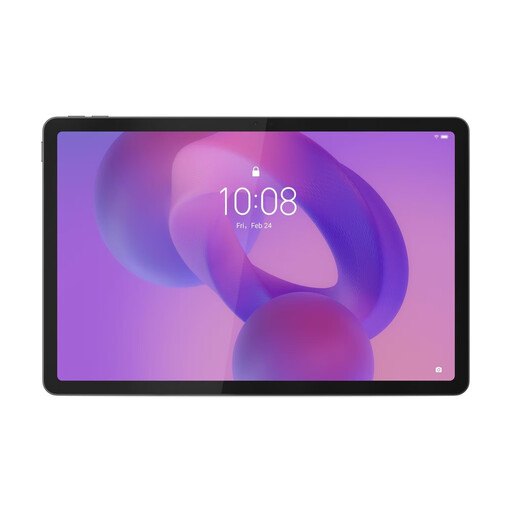 No image available
An option to compare if you want to read longer feedback on a bigger screen.
11-inch 2.5K Android tablet with MediaTek Dimensity 6300.
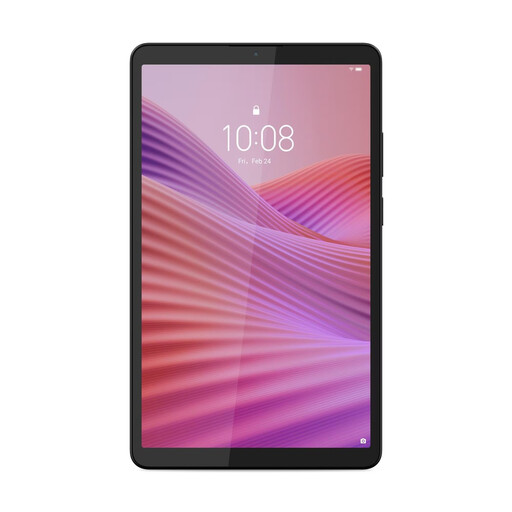 No image available
A compact option for short reading sessions in places where you can use Wi-Fi.
8.7-inch IPS touchscreen, 4GB RAM, 128GB storage and Wi-Fi.
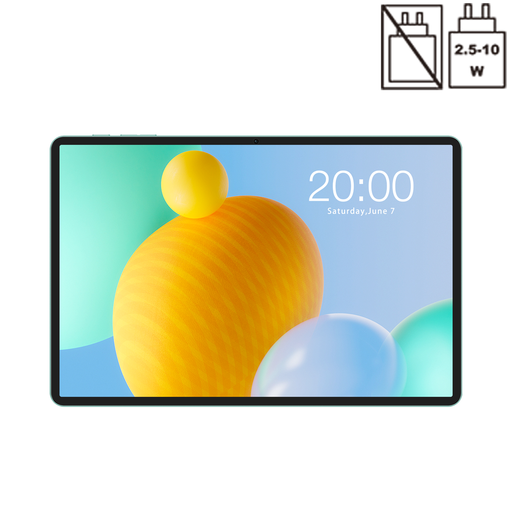 No image available
The listed 4G LTE model is worth considering if you want to open feedback online while you’re out and about.
Android 16, 11-inch IPS screen, dual-SIM 4G LTE and 128GB ROM.
 No image available
An option to consider if you want to read feedback and make handwritten notes.
10.65-inch E-Ink screen.
No, not if you have approved Wi-Fi where you read or are allowed to use another connection. If you want to sync online independently between visits, check whether the exact tablet model has LTE or Cellular and what terms apply to your mobile plan.
First, ask which settings your organisation requires. The Dutch Data Protection Authority highlights app permissions, access and storage security, and regular updates as points to consider. For organisations, the appropriate level of security depends on the risks involved in processing the data.
No. Pen support doesn’t guarantee that mark-up will work in your course platform. Check whether the app supports the feature, whether the pen is compatible with the exact tablet model and whether it’s included with the version you choose.
For a consumer purchase in the Netherlands, where applicable, you’re entitled to a product that meets reasonable expectations; according to the Dutch government, there is no fixed statutory warranty period in the Netherlands. Many applicable distance purchases come with a 14-day cancellation period, subject to exceptions. If you buy in a company’s name, don’t assume that consumer rights automatically apply.
If an organisation processes personal data, it must protect it appropriately under the GDPR, according to the Dutch Data Protection Authority. The measures required depend on the risks; this doesn’t mean everyone has to choose one specific tablet model. If the feedback contains no personal data, that security obligation doesn’t apply solely because you’re using a tablet.