For maps, aerial photos and notes between lectures, a standard tablet is a sensible choice if its screen, stylus and study apps suit your work. For offline fieldwork, you’ll also need a map project prepared in advance, suitable positioning and protection that meets the exact model’s conditions. An IP68 rating alone doesn’t make a tablet suitable for beach use.
Who is this choice relevant to?
Student using coastal maps offline
You want to view map layers or aerial photos outside the reach of campus Wi-Fi and perhaps record observations. Prepare an offline project and decide whether you need built-in GPS. QField Ecosystem Documentation explains how to prepare map data and use positioning sources.
Student annotating maps
You compare images and documents between lectures and want to write on maps or PDFs. Screen size and the stylus included with your chosen configuration or bundle are important considerations. Consumentenbond notes that larger tablets can be less practical to hold for long periods.
Student who regularly works in the field on the coast
You often take your tablet outdoors and factor protection and power supply into your choice. Check the usage restrictions for the exact model; an IP rating alone doesn’t mean it’s suitable for every outdoor environment.
What should you consider when choosing?
Standard tablet with stylus
Best for: mainly viewing aerial photos and course materials, and taking notes.
Watch out for: check whether the stylus is included with the exact configuration and whether the screen size is practical to carry around.
Model for regular fieldwork
Best for: regularly collecting data outdoors, when features such as a replaceable battery matter for the way you work.
Watch out for: Samsung’s description of its durability isn’t an independent endurance test for sand or salt water; check the conditions for the specific configuration.
iPad Air for iPadOS
Best for: when your study apps run on iPadOS and you’re looking for a tablet that supports Apple Pencil.
Watch out for: Apple doesn’t list the Pencil as part of the box contents; for GPS positioning, Apple distinguishes between Wi‑Fi and Wi‑Fi + Cellular.
| What to consider |
What to look for |
Who it’s for |
| Offline maps and GPS |
Check which GIS app and files your course uses, test the map project without an internet connection and find out whether the configuration has the positioning capabilities you need. |
If I want to use maps outside Wi-Fi coverage and record survey points on location, I want to know in advance what works offline and how my position is determined. Around 31% of consumers make offline maps and positioning their top priority. |
| Protection for fieldwork |
Read the usage conditions for the exact model when it comes to beaches, moisture and dust; only then compare the casing and power supply. |
When I regularly take my tablet to the coast, I want to know which conditions the manufacturer permits and what protection my fieldwork requires. Around 25% of consumers prioritise protection for regular outdoor use. |
| Stylus and annotations |
Compare screen size, stylus compatibility and the box contents for your chosen configuration. |
If I want to view map images alongside my study materials and make notes on screen, I look for a suitable size and a stylus that works with my tablet. Around 25% of consumers choose annotation as their main priority. |
| Portability and accessories |
Consider how the size feels in your hand and check what’s included with the configuration, such as a stylus, keyboard and charger. |
When I take my tablet between campus locations, I want a manageable size and to know in advance what else I’ll need. Around 19% of consumers give portability and a simple basic set-up top priority. |
Things to watch out for when buying
-
Assuming an IP68 rating means it’s safe to use on the beach
Samsung bases the Galaxy Tab S10 FE series’ IP68 rating on freshwater conditions and advises against using it at the beach. The rating is therefore no general guarantee that the tablet can be used around sand or salt water.
Assess protection based on the conditions in which you plan to use the tablet and the exact model’s terms, not just its IP code.
-
Choosing a Wi‑Fi iPad when you need built-in GPS
Apple lists GPS positioning for Wi‑Fi + Cellular iPad models. QField can use an internal or external GNSS source for positioning, but the right solution depends on your fieldwork.
Before buying, decide whether you only need to view maps or also record survey points with their location. For the latter, check the configuration or an external receiver supported by your fieldwork app.
-
Assuming a stylus or charger is included in the box
Accessory support doesn’t automatically mean the accessory is included. Xiaomi, for example, states that the power adapter isn’t included with the Pad 7.
Check the box contents and stylus compatibility for the exact configuration or bundle before ordering.
Relevant brands to consider
Samsung
The Galaxy Tab S10 FE is worth considering if you’re looking for a standard tablet with stylus support; the Galaxy Tab Active5 Pro is a separate range that Samsung targets at fieldwork.
- Samsung lists S Pen support for the S10 FE and replaceable batteries for the Active5 Pro.
- The IP68 conditions for the FE series are based on freshwater tests; Samsung advises against beach use. Don’t assume these models offer the same features.
Apple
The 11-inch iPad Air M4 is worth considering if you want to use study apps on iPadOS and need stylus support.
- Apple lists support for Apple Pencil Pro.
- Apple lists the tablet and a USB‑C cable in the box contents, but not the Pencil. For GPS positioning, Apple distinguishes between Wi‑Fi and Wi‑Fi + Cellular.
Xiaomi
The Pad 7 could suit viewing maps and taking notes with a compatible Focus Pen.
- Xiaomi lists a weight of 500 grams and compatibility with the Focus Pen.
- According to Xiaomi, the power adapter isn’t included in the box. Also check that the stylus and the fieldwork features you need are suitable for your configuration.
Lenovo
The Tab P12 is worth considering if a large screen and stylus use matter more to you than a compact size.
- Lenovo lists a 12.7-inch screen and support for the Tab Pen Plus.
- A larger size can be less comfortable to hold for long periods. Lenovo lists security updates for this model until June 2027; bear that end date in mind when choosing.
Tablets on Joybuy
This selection includes tablets for stylus annotations and models you can consider for mobile fieldwork. For each configuration, check that the features and accessories suit your study apps and the way you work.
 No image available
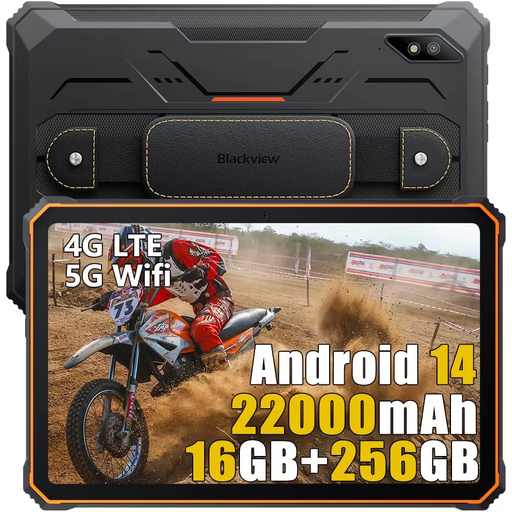
Blackview Active 8 Pro, 16 GB (8 GB + 8 GB), 256 GB, orange
An option to consider if you need a tablet with positioning for fieldwork; check that the feature works with the app you use.
The description lists quad-mode GPS. The product title lists a 10.36-inch HD screen, 22,000 mAh battery, dual SIM, 4G and Android 13.
Joybuy
 No image available
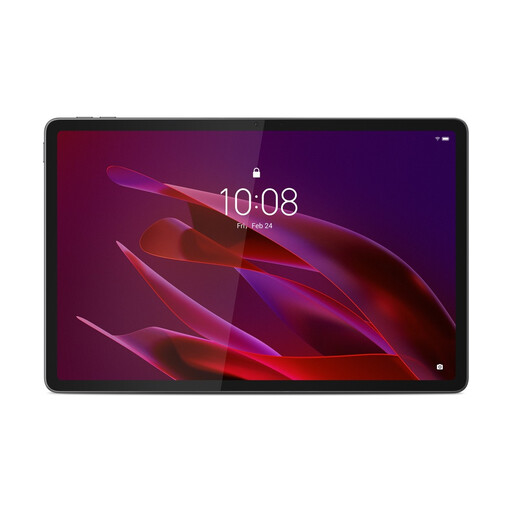
Lenovo Yoga Tab ZAG60028PL, 11.1 inch, 3.2K, 12 GB/256 GB, Luna Grey, with Tab Pen Pro
This configuration could suit you if you want to annotate maps and study materials with a stylus; the product title says that the Tab Pen Pro is included.
The product title lists an 11.1-inch 3.2K touchscreen, 12 GB LPDDR5X, 256 GB UFS 4.0, Wi-Fi 7 and Android 15.
Joybuy
 No image available
Lenovo Idea Tab Plus WiFi, 12.1 inch, 2.5K, 8 GB/256 GB, with stylus, Rose
This configuration could suit you if you’re looking for a larger screen and stylus support for annotating maps.
The product title lists a 12.1-inch 2.5K screen, 8 GB RAM and 256 GB storage. According to the product information, a charger isn’t included as standard.
Joybuy
 No image available
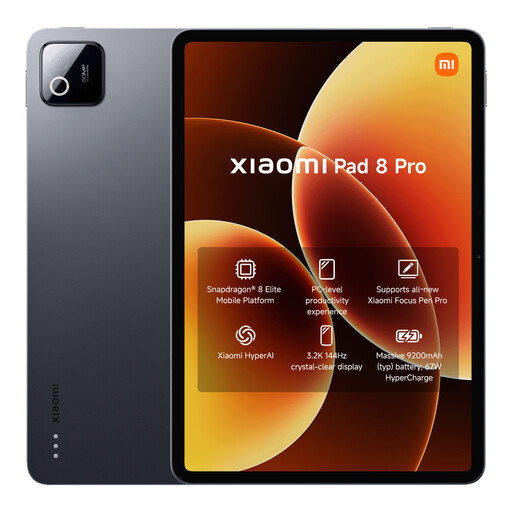
Xiaomi Pad 8 Pro, Grey, 12 GB RAM, 512 GB ROM
You can include this tablet in your comparison for maps and study materials; check in advance that the apps you need work on this configuration.
The product title lists 12 GB RAM and 512 GB ROM.
Joybuy
 No image available
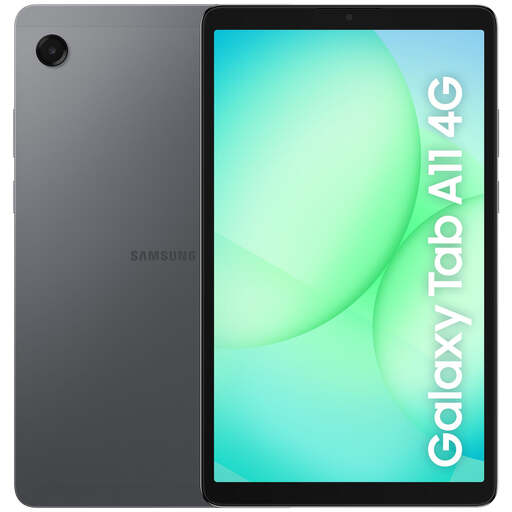
Samsung Galaxy Tab A11 X135, 8.7 inch, LTE, 4 GB/64 GB, Grey
The compact size could suit you if you’re looking for a tablet that’s easy to carry between campus locations; check that the screen meets your mapping needs.
The product information lists an 8.7-inch screen with a resolution of 1340 × 800 pixels and LTE.
Joybuy
Frequently asked questions
How can you take coastal maps somewhere without internet access?
If your course uses QGIS and QField, you can prepare a project with map layers and a basemap using QFieldSync, then transfer it to the tablet for local use. Test the project offline before you set off; an online map service alone isn’t an offline copy.
Is a Wi‑Fi-only iPad Air suitable for recording survey points outdoors with built-in GPS?
Not if you’re relying on built-in GPS: Apple lists GPS positioning for iPads with Wi‑Fi + Cellular. Check that configuration or an external solution supported by your fieldwork app if you want to record survey points.
Can you use an IP68-rated tablet at the beach without taking any extra precautions?
No. Samsung bases the Galaxy Tab S10 FE series’ IP68 rating on freshwater tests and advises against beach use. Check the relevant manufacturer’s conditions for other models.
What rights do you have when buying a tablet online in the Netherlands?
According to ACM ConsuWijzer, online consumer purchases generally come with a statutory 14-day cooling-off period after delivery, with some exceptions. You’re also covered by the statutory guarantee: if a product breaks sooner than you could reasonably expect under normal use, the seller must offer an appropriate solution free of charge.
Can you collect data anywhere in the dunes for a study assignment?
First check the rules for the specific location and activity. The Dutch government says that provinces decide what is and isn’t allowed in their nature areas; this general information doesn’t grant permission to work at a specific field site.


