A larger tablet screen is more practical for viewing fixed-layout PDF pages with exercises, while a compact model is easier to hold for long periods. If you mainly read continuous text in bright daylight, or won’t have many opportunities to recharge, consider comparing an e-reader too. Before you set off, test your own file and reading app offline, and assess the screen where you plan to read.
Which option is right for you?
Reader of language-learning PDFs
You want to view lessons and exercises in a fixed layout without constantly zooming in and out. The Consumentenbond points out that how well formatted PDFs are displayed is a factor when choosing between a tablet and an e-reader.
Outdoor reader
You mainly read in daylight at the campsite and want to take reflections and shade into account. The Consumentenbond notes that reading on a tablet screen in direct sunlight is often difficult.
Reader without reliable power or Wi-Fi
You want to get files and apps ready in advance, and check when a reading service requires you to sync again. Rakuten Kobo outlines specific offline conditions for Kobo Plus books.
What should you consider when choosing?
Compact tablet
Best for: mainly reading continuous text and holding the device for long periods.
Trade-off: there’s less room to view a fixed-layout PDF page; an anti-reflective coating doesn’t guarantee a clear view in direct sunlight.
Tablet with a larger screen
Best for: viewing fixed-layout pages, images and exercises, or making notes.
Trade-off: a larger device may be less convenient to carry or hold for long periods.
E-reader
Best for: mainly reading continuous text, especially if you’ll read outdoors or won’t be able to recharge often.
Trade-off: the Consumentenbond says e-readers are generally less suitable for A4 PDFs and material with lots of images or complex layouts.
| What to consider |
What to look for |
Who it matters to |
| PDFs and exercises |
Open one of your own pages in the reading app and compare how much of the formatted page is visible and how often you need to zoom in. |
If I want to read fixed-layout lessons and exercises without constantly zooming in, screen space matters a lot to me. Around 31% of consumers say PDFs and exercises are their main concern when buying. |
| Reading outdoors |
The Consumentenbond warns that reflections can make screens difficult to read in direct sunlight. Try your reader in similar daylight, and consider an e-reader if you’ll mainly be reading text. |
When reading at a sunny campsite, I want to know whether reflections will make the text hard to see. Around 31% of consumers say outdoor readability is their main concern when buying. |
| Offline access and charging |
Download the file in advance and test the app without a network connection. Rakuten Kobo says that Kobo Plus may require you to sync after opening fifteen books during an offline period; check the conditions for your own reading service. |
If Wi-Fi or a charging point isn’t guaranteed, I want to be able to open my reader offline before I set off. Around 23% of consumers prioritise offline access and charging. |
| Weight and size |
Compare the dimensions and weight of the exact model. Apple lists the Wi-Fi version of the iPad mini (A17 Pro) at 293 grams and the 11-inch iPad (A16) at 477 grams. |
If I’ll be reading for a long time without a stand, I want a size that’s comfortable to hold and easy to carry. Around 15% of consumers say portability is their main concern when buying. |
Common buying mistakes
-
Assuming a brightness specification guarantees readability in the sun
A stated maximum brightness won’t automatically eliminate reflections. The Consumentenbond points out that tablets are often difficult to read in direct sunlight.
Try your own reader in similar light, and see how it is to read in the shade too. Compare it with an e-reader if you mainly read outdoors.
-
Choosing a small screen for fixed-layout PDF pages
A formatted page may be harder to view at a glance on a small screen, so you may need to zoom in more often.
Open a representative lesson in the app you plan to use and compare how it looks on compact and larger screens.
Frequent zooming can interrupt your reading of lessons and exercises.
-
Assuming a subscription book will work offline for the whole trip
Offline access can depend on the reading service and its synchronisation conditions. Rakuten Kobo says that Kobo Plus may require you to sync after opening fifteen books during an offline period.
Check the conditions for your reading service and open your chosen book once without a network connection before you set off.
-
Assuming a stylus or charger is included as standard
What’s included in the box can vary by model. Lenovo’s information for the Idea Tab model reviewed mentions both a bundle with a stylus and a stylus sold separately as an optional extra. Samsung says that a 45W power adapter is not included as standard with the Galaxy Tab S10 FE.
Check what’s included with the exact model before relying on a stylus or adapter.
If an accessory you need isn’t included, you may have to arrange one separately.
Brands to consider
Apple
Apple offers both a compact tablet and an 11-inch model, giving you different options to weigh up when it comes to ease of holding and screen space.
- Apple specifies an 8.3-inch screen, an anti-reflective coating and a weight of 293 grams for the Wi-Fi version of the iPad mini (A17 Pro). The Wi-Fi version of the 11-inch iPad (A16) weighs 477 grams. Apple’s Books app can display downloaded or manually added books and PDFs.
- These specifications are not an independent test of readability in sunlight. Check that your reader and any annotation features work in the app you want to use.
Samsung
The Galaxy Tab A11 is a compact Android option, while the Galaxy Tab S10 FE has a larger screen and, in the model reviewed, comes with an S Pen.
- Samsung specifies an 8.7-inch screen with a resolution of 1340 × 800 pixels for the Tab A11. For the Tab S10 FE, Samsung lists up to 800 nits in High Brightness Mode.
- Samsung’s IP68 rating for the Tab S10 FE and its included stylus is based on laboratory conditions: immersion in fresh water up to 1.5 metres for a maximum of 30 minutes. This doesn’t guarantee comfortable reading in direct sunlight or unlimited water protection.
Lenovo
The Idea Tab model reviewed has an 11-inch screen and Android, a combination worth considering for reader pages with a fixed layout.
- Lenovo specifies a resolution of 2560 × 1600 pixels, an anti-fingerprint coating and 500 nits for item ZAFR0963SE.
- The product information for this model gives conflicting details about the stylus. Check what’s included with the exact version before relying on one.
Tablets at Joybuy
These product picks focus on larger screens for language-learning materials with fixed-layout pages and exercises.
 No image available
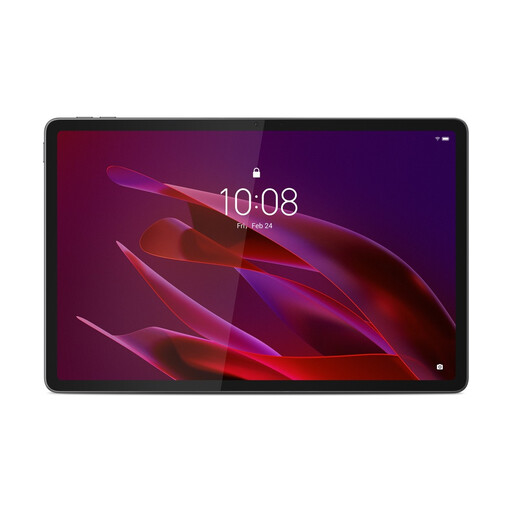
Lenovo Yoga Tab ZAG60028PL
The 11.1-inch model is worth considering if you’re looking for a larger screen for fixed-layout reader pages.
According to the product name: 11.1-inch 3.2K screen, 144Hz, 12GB LPDDR5X, 256GB UFS 4.0, Wi-Fi 7, Android 15 and Tab Pen Pro included.
View at Joybuy
 No image available
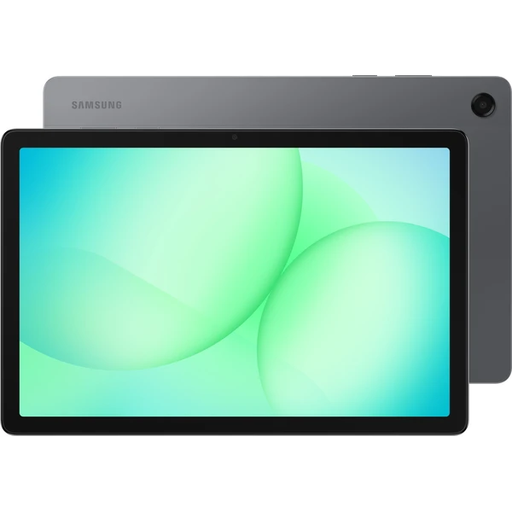
Samsung Galaxy Tab A11 Plus 11-inch
The 11-inch size is worth comparing if you want more room for a reader page than a compact tablet can offer.
According to the product name: 128GB storage, Wi-Fi and grey finish.
View at Joybuy
 No image available
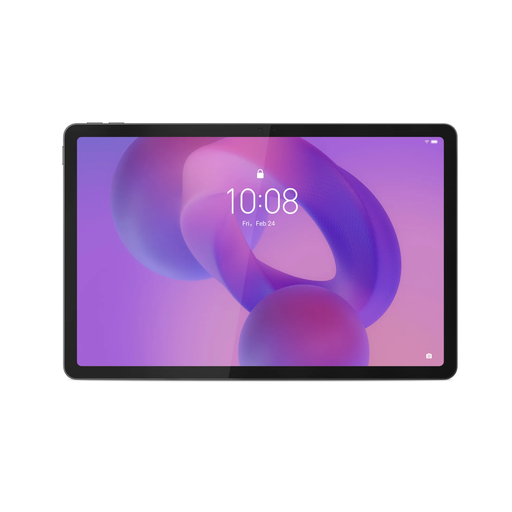
Lenovo IdeaTab 11-inch
The screen size makes this one worth considering for language-learning materials with fixed-layout pages.
According to the product name: IPS screen, 90Hz, 500 nits, 8GB memory, 128GB storage and Android 15. The product information says that a charger is not included as standard.
View at Joybuy
 No image available
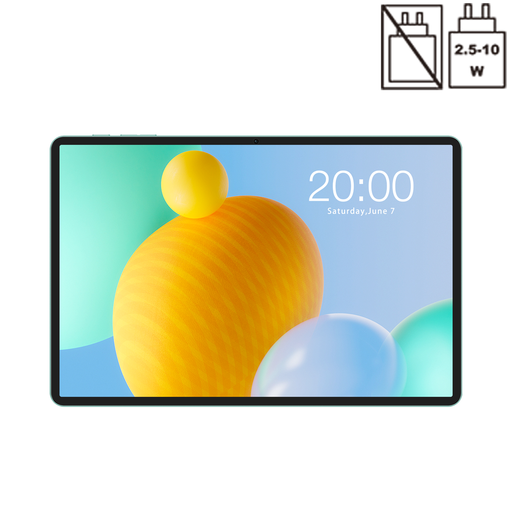
TECLAST P50 11-inch
An 11-inch screen is worth comparing for viewing reader pages with a fixed layout.
According to the product name: Android 16, 90Hz IPS screen and 128GB ROM.
View at Joybuy
 No image available
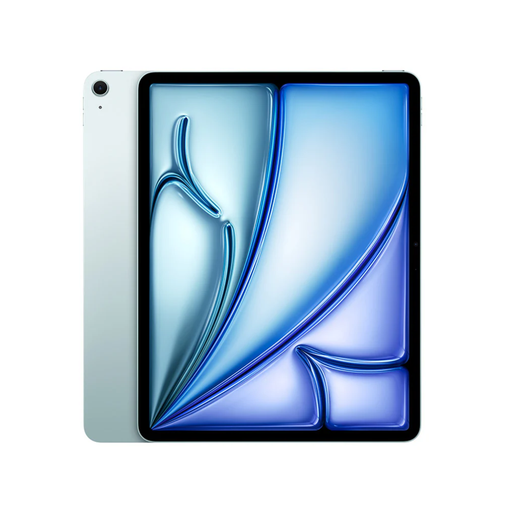
Apple 13-inch iPad Air (M4), Wi-Fi, 128GB
The 13-inch size gives you plenty of room to view formatted reader pages, but it’s larger to carry than a compact model.
According to the product name: Wi-Fi version, 128GB storage and blue finish (2026).
View at Joybuy
Frequently asked questions
Should I take a tablet or an e-reader for my language-learning materials at the campsite?
If you mainly read continuous text or spend a lot of time reading in the sun, an e-reader is worth comparing. A tablet may be a better fit for formatted PDFs, images and using other apps. The Consumentenbond says e-readers are generally less suitable for A4 PDFs and material with complex layouts. Test your own file in the app you plan to use.
How do I get my reader ready for a campsite without Wi-Fi?
Set up your reading app, download or add your file, then open it before you leave while offline. If you use a subscription, check that reading service’s offline access and synchronisation conditions.
Can I leave an IP68-rated tablet out in the rain while it’s charging?
Don’t assume it’s safe to do so. Samsung’s IP68 specification for the Galaxy Tab S10 FE and stylus is based on laboratory tests with fresh water, including immersion up to 1.5 metres for a maximum of 30 minutes. This doesn’t mean you can use it while wet without limits. Keep charging equipment dry and follow the instructions for the exact model.
What are my rights in the Netherlands if an online tablet purchase disappoints me or develops a fault quickly?
Online purchases generally come with a statutory 14-day cooling-off period from the date of delivery. This is separate from your statutory guarantee: if a product doesn’t perform as you could reasonably expect under normal use, the retailer is responsible for providing an appropriate solution. The exact application depends on the purchase and the problem.
Which tablets are covered by EU energy label rules?
According to the European Commission, the rules apply from 20 June 2025 to slate tablets placed on the EU market from that date and covered by the scheme. The label can help you compare things such as battery life and repairability, but it won’t tell you how many hours your reading app will last with your screen settings.


