What should you look for in a tablet for archive research?
First, decide how much space you need for scans and notes. Then check the pen, storage and practical conditions for accessing files.
| What to consider |
What should you check? |
Who is this important for? |
| Scan readability |
View a representative scan on the screen you’re considering and compare the screen size and resolution of the exact configuration. |
If I’m reading densely written pages or large maps and want to zoom in often, the visible workspace is a major consideration. Around 31% of consumers say readability is their top priority. |
| Concentration when there are conversations |
Find out whether a quieter place is available and check the study room’s rules on sound and recordings. |
When conversations interrupt my reading, I also look for a suitable place to work rather than simply choosing a different tablet. Around 31% of consumers prioritise being able to manage background conversations. |
| Taking notes |
Check the full model and bundle name, pen compatibility and what’s included in the box. |
If I want to write alongside the source, the pen needs to suit both my way of working and the configuration. Around 23% of consumers prioritise annotation. |
| Storing scans and files |
Check the storage in your chosen configuration, the file format and the archive’s download terms. |
If I want to save scans or access them offline, I also consider access and storage capacity. Around 15% of consumers say file access is their top purchase priority. |
Tablets at Joybuy
These product picks are suited to reading scans and taking notes, with screens ranging from 11,1 to 13,4 inches. Check which pen or accessories are included with each configuration.
 No image available
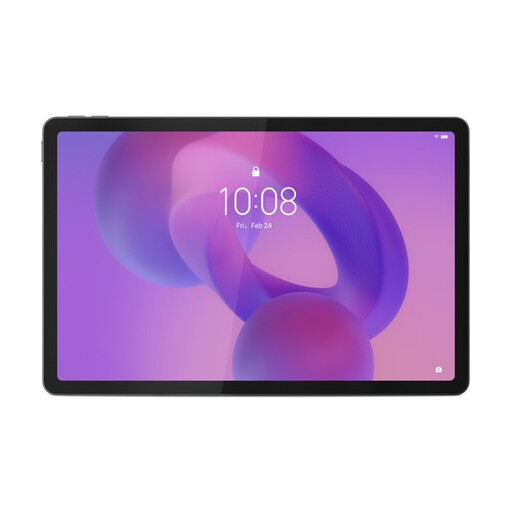
Lenovo Idea Tab Pro TB373FU, 12,7 inch 3K, 8GB RAM, 256GB, Luna Grey
Suited to anyone who wants to view scans and notes side by side and values extra screen space.
12,7-inch screen, 3K, 144 Hz, 8GB RAM and 256GB storage. The product description says a Lenovo Tab Pen Plus is included.
A larger size may be less convenient to carry around, and it won’t block out conversations around you.
Joybuy
 No image available
Lenovo Idea Tab Plus, 12,1 inch 2.5K, 8GB RAM, 256GB, with pen, Rose
An option for anyone who wants to read scans and take notes on a tablet with a generous screen.
12,1-inch screen, 2.5K, 8GB RAM and 256GB storage; the product name mentions a pen.
A larger size may be less convenient to carry around and won’t block out background conversations.
Joybuy
 No image available
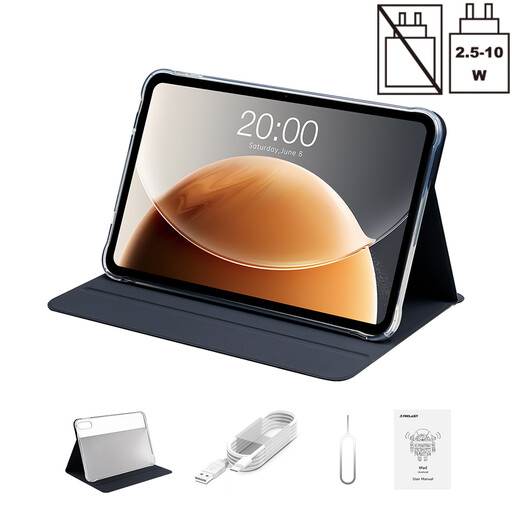
TECLAST T65, 13,4 inch, 120 Hz, 128GB, with folio case
The large screen may suit anyone who wants plenty of space to view scans.
13,4-inch screen, 120 Hz and 128GB storage; the product name mentions a folio case.
Check separately which pen is suitable if you want to annotate on screen. The larger size may be less convenient to carry around.
Joybuy
 No image available
TECLAST ArtPad Pro, 12,7 inch, 256GB, 4G LTE
An option for anyone looking for a larger screen and pen input to read scans and take notes.
12,7-inch screen, 256GB storage and 4G LTE. The product description says a stylus is included.
Check that the pen mentioned suits the way you want to work; the larger size may be less convenient to carry around.
Joybuy
 No image available
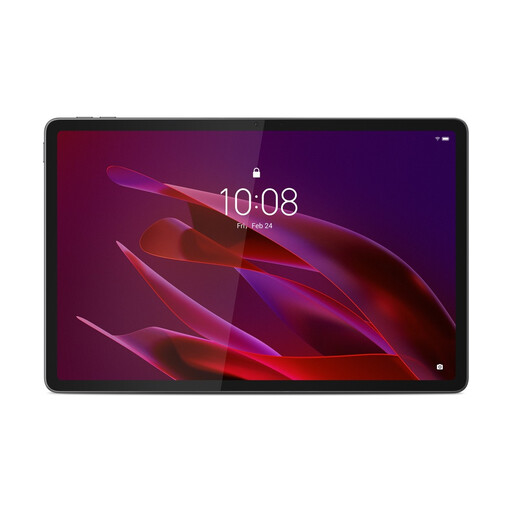
Lenovo Yoga Tab ZAG60028PL, 11,1 inch 3.2K, 12GB RAM, 256GB, Luna Grey
Suited to anyone looking for a more portable tablet for reading scans and taking notes on the go.
11,1-inch touchscreen, 3.2K, 12GB RAM and 256GB storage; the product name mentions a Tab Pen Pro is included.
A smaller screen gives you less space to view a scan alongside your notes. It won’t block out background conversations.
Joybuy
Frequently asked questions
What screen size is useful for handwritten archive documents?
Compare your own scan on a screen around 11 inches and, if you often enlarge it or work alongside notes, on a larger screen too. The Consumers’ Association describes extra-large tablets as less portable; the stated screen size doesn’t guarantee that old handwriting will be legible.
Can I take notes on my tablet or photograph documents in the study room?
Check the rules of the archive you’re visiting. Regional Archive Alkmaar says you can bring a tablet and that notes on paper may only be taken in pencil. The National Archives allows photos or scans of public material, but not of material with restricted access; those rules don’t automatically apply at another local archive.
Do I have to pay to put archive scans on my tablet?
That depends on the collection and the service. Archieven.nl says scans accessed through Mijn Studiezaal are sometimes free and sometimes available to view or download for a fee. Check the terms before planning your storage or offline use.
Who can help if my tablet bought in the Netherlands develops a fault too soon?
For a consumer purchase, the seller is responsible for the statutory guarantee if the product doesn’t meet what you could reasonably expect under normal use. According to ACM ConsuWijzer, this statutory protection is separate from any manufacturer’s warranty; it isn’t necessarily limited to a fixed two-year period.
Can I publish photos or archive information online?
Don’t assume that permission to view or photograph an item also gives you permission to publish it. Check the archive’s terms of use and any copyright restrictions. The Dutch Data Protection Authority notes that publicly sharing photos of identifiable people may raise different privacy issues from strictly private use; what applies depends on the material and how it’s used.


