
Readers of plans and photo books
You want to view formatted pages, images and small labels. Compare the reading space on a sample page with the size you want to take with you on the go.


For architecture books with photos, drawings and small labels, a colour tablet with plenty of screen space is a practical starting point. Try a sample page at the zoom level you normally use. Then choose between a more compact model that’s easier to hold and a larger screen that shows more of the page. Also check that your books are available offline and that the right pen is compatible with the model you choose.
You want to view formatted pages, images and small labels. Compare the reading space on a sample page with the size you want to take with you on the go.
You regularly hold your tablet, so a smaller, lighter model may be more convenient, even if you need to zoom in more often to see detailed drawings.
You want to highlight passages or drawings. Check whether your reading app supports annotations and whether the pen is compatible with the exact tablet model.
Best for: people who often travel standing up or hold their tablet in one hand for extended periods.
The trade-off: you may need to zoom in sooner to view a full formatted page and its small labels. The iPad mini (A17 Pro) has an 8.3-inch screen; Apple lists the Wi-Fi model’s weight as 293 grams.
Best for: people who want to view images and text, and also regularly carry or hold their tablet.
The trade-off: there’s less space for large pages than on a 12.7-inch model. Apple lists the iPad (A16) as having an 11-inch screen and a Wi-Fi weight of 477 grams; Samsung’s Dutch product page lists the Galaxy Tab S10 FE as having a 10.9-inch screen and S Pen support.
Best for: people who usually sit down and value large formatted pages or detailed drawings.
The trade-off: extra screen space means a larger device to carry and hold. Lenovo lists the Idea Tab Pro as having a 12.7-inch screen; model, screen finish and included accessories may vary.
Best for: people who mainly read continuous text and don’t need many image-rich, fixed-layout pages.
The trade-off: Consumentenbond recommends a tablet for reading lots of PDFs; changing the text layout on an e-reader can affect the original page layout.
| What to consider | What to look for | Who should pay particular attention? |
|---|---|---|
| Readability of image-heavy pages | Open a sample from your own book. Look at the whole page first, then the smallest labels; compare the screen size and resolution of the exact model. | If I want to view plans, photos and small captions on one page, I want to know how much of it is readable at once. Around 36% of consumers prioritise viewing full image-heavy pages. |
| Portability | Compare the weight of the exact model and try holding it with the case you intend to use. | When I’m often standing or holding my tablet for a long time, ease of carrying matters more to me than seeing a whole page at once. Around 29% of consumers prioritise travelling with a compact, lightweight device. |
| Annotating and using a pen | Check whether your reading app supports annotations in your file format, which pen is compatible and whether it’s included with the model you choose. | If I want to mark drawings or passages, both the app and the pen need to suit the way I work. Around 21% of consumers prioritise making notes. |
| Offline reading and battery life | Save an authorised file locally before you leave and test that it opens without an internet connection. Compare battery figures only when you’ve considered the test conditions. | For a journey without a reliable connection, I want to be able to open my books in advance rather than depend on Wi-Fi on the train. Around 14% of consumers prioritise offline access. |
A large screen may show more of a page, while a small screen may mean you need to zoom in more often when reading detailed PDFs. Neither size alone tells you how comfortable your book will be to read.
View the same sample page on the sizes you’re considering, then compare their weight and how easy they are to handle.
Pen support and what’s included in the box are two different things; Lenovo also lists several different models.
Before buying, check the exact model, which pen is compatible and what’s included in the box.
The pen may be a separate purchase, so check before weighing up the total cost.
NS says Wi-Fi is available on almost all Intercity trains, but not every train. Lenovo describes its battery figures as estimates from its own tests under favourable conditions; they’re no guarantee of how long you’ll be able to read.
Test your files offline, then check how much charge is left after a journey similar to the one you’ll be taking.
The Dutch government distinguishes between a manufacturer’s warranty and your statutory right to a product that meets expectations.
Keep your proof of purchase and contact the seller if there’s a fault. Check what additional cover an extended warranty provides.
The 8.3-inch iPad mini (A17 Pro) and 11-inch iPad (A16) offer different screen sizes to suit your reading preferences.
Samsung’s Dutch product page describes the Galaxy Tab S10 FE as having a 10.9-inch screen and S Pen support.
The Idea Tab Pro is worth considering if you want to read larger formatted pages; Lenovo lists it as having a 12.7-inch screen.
This selection focuses on larger tablets for viewing images and formatted architecture pages while you’re out and about. Compare the screen space with how easy you want the device to be to carry or hold during your train journey.
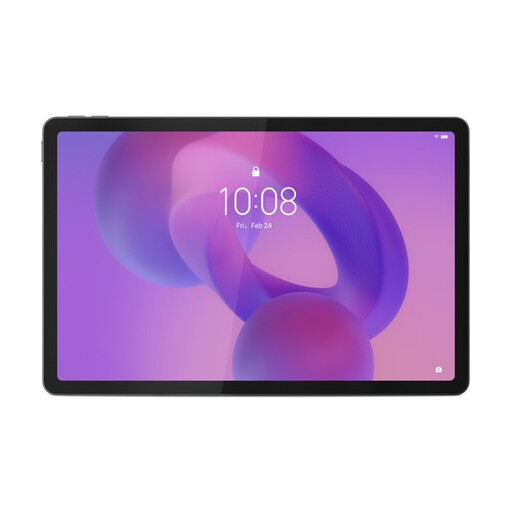 No image available
The 12.7-inch screen may suit you if you want more room for formatted pages; also consider how easy the tablet will be to hold on the train.
According to the product name: 3K screen, 144 Hz and 256 GB of storage.
Check the exact model and what’s included in the box if you need a pen.
 No image available
A 12.1-inch screen can make it easier to view image-rich pages; check a sample to see whether the text and map labels are still large enough for you.
According to the product name: 2.5K screen, 8 GB RAM and 256 GB of storage.
The product name mentions a pen; check what’s included in the box for the exact model.
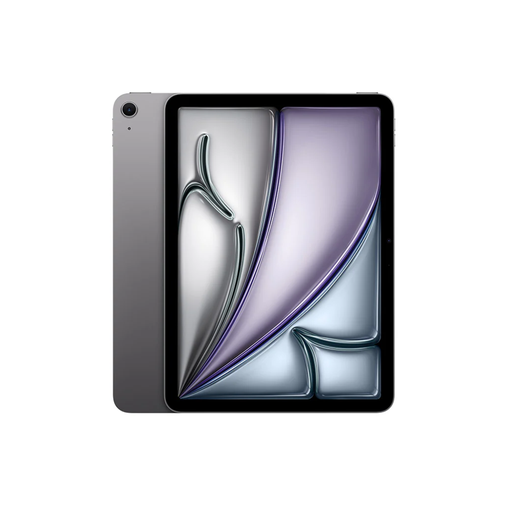 No image available
The 13-inch size may be right for you if you’re looking for more screen space; bear in mind that a larger device also takes up more room when you travel.
According to the product name: Wi-Fi and 128 GB of storage.
The product information states that the Apple Pencil is sold separately.
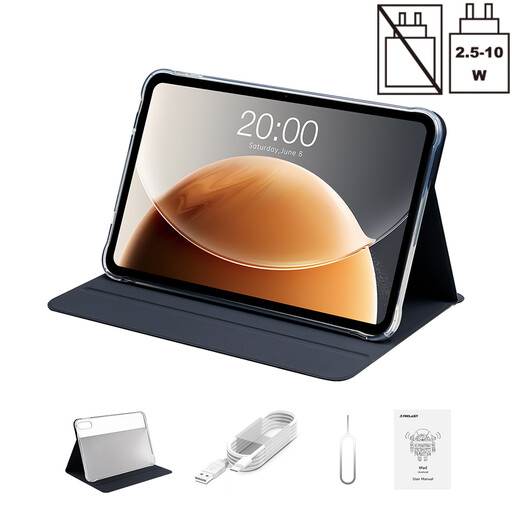 No image available
The screen size may suit you if you want to view large pages; weigh that up against how easy it is to carry and hold on the train.
According to the product name: 13.4-inch screen, Android 16 and 128 GB of storage.
The product name mentions a folio case.
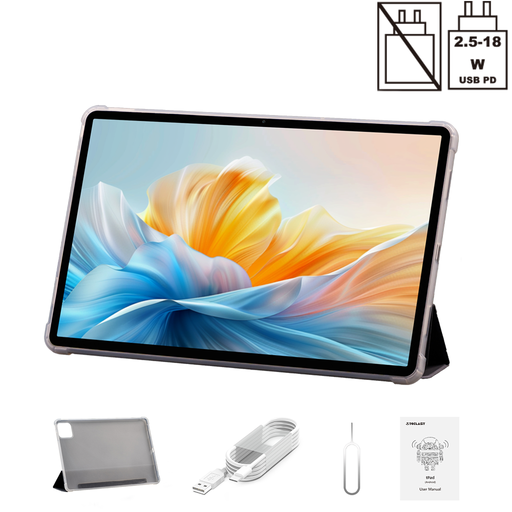 No image available
A 14-inch screen may suit you if reading space matters more than a compact size; consider whether it’ll be comfortable to take with you on your train journey.
According to the product name: 2.2K screen and 128 GB of storage.
The product name mentions a folio case.
An e-reader may be a good choice if you mainly read continuous text. For lots of formatted pages with images or A4 PDFs, Consumentenbond recommends a tablet instead; zooming in and changing the text layout can affect how these pages are displayed.
If your reading app and usage rights allow it, save the book locally before you leave and check that it opens without an internet connection. NS says free Wi-Fi is available on almost all Intercity trains, but not every train.
No, pen compatibility varies by model. Check which pen works with the exact tablet, whether it’s included and whether your reading app supports annotations in your file format.
When you buy online as a consumer, you generally have 14 days to change your mind, subject to the applicable terms and exceptions. You’re also entitled to a product that conforms to the contract; according to the Dutch government, the Netherlands has no fixed statutory warranty period. A manufacturer’s warranty doesn’t replace this statutory right.
Not necessarily: the European Commission says energy labelling requirements apply from 20 June 2025 to smartphones and slate tablets covered by the rules, and distinguishes these from certain tablet computers. Check the product category and when the specific model was placed on the EU market before deciding whether a label is required.