
If you want to compare nutritional values
You’re looking for a biscuit to go with your lunch and want to compare sugar, fat and energy on the same basis before deciding how much to take with you.


As a biscuit to go with lunch on the go, classic taaitaai is the better choice if you’re mainly comparing fat and energy per 100 g; the regular digestive biscuits included in this comparison contain less sugar per 100 g. This is based on the nutritional information from Albert Heijn for the specific products mentioned, not a comparison of every variety. Also consider how much you’ll take with you, and always check the current label for allergen information: a biscuit is an addition to your lunch, not a replacement for it.
You’re looking for a biscuit to go with your lunch and want to compare sugar, fat and energy on the same basis before deciding how much to take with you.
The ingredients and allergen information determine which biscuits are suitable for you. A gluten-free label doesn’t replace checking for other relevant allergens.
You want to take an amount of biscuits that goes with your lunch, without treating a whole pack as one portion.
First compare the nutritional information per 100 g for the specific taaitaai and digestive biscuits, then decide on your portion and check the allergens before buying. The three points below are for people considering one of these biscuits to go with lunch on the go.
| What to consider | What to check | Who it matters to |
|---|---|---|
| Sugar, fat and energy | Compare the nutritional values per 100 g of the same type of variety, then consider how much you’ll eat. According to Albert Heijn, AH Taai taai contains 39 g of sugar, 3 g of fat and 370 kcal per 100 g, compared with 16 g of sugar, 21 g of fat and 485 kcal for AH Digestive. | When choosing between these biscuits, I want to know which nutritional difference matters to me, without treating one figure as a verdict on the whole biscuit. For around 45% of these consumers, this comparison is the most important factor. |
| Portion for on the go | Check the pack weight and any portion size listed, then decide for yourself how many biscuits to take with your lunch. | I want to be able to pack a set amount, rather than eat from a large pack while I’m out. For around 33% of these consumers, portion size is the main consideration. |
| Gluten and allergens | Read the current ingredients and allergen information. If you need a gluten-free product, check for an explicit gluten-free label and check the other allergens too. | If I need to avoid an ingredient, suitable labelling comes before my preference for taaitaai or digestive biscuits. For around 22% of these consumers, checking this comes first. |
According to Albert Heijn’s product information, the regular digestive biscuits included in this comparison contain less sugar, but more fat and energy per 100 g than AH Taai taai. The name alone won’t tell you which option suits your portion.
Compare sugar, fat and energy per 100 g, then consider how much you’ll actually take with you.
According to Albert Heijn’s product information, Consenza Taai taai Poppetjes, which are labelled gluten-free, also list oats, almonds and nuts.
As well as checking the gluten-free label, read the full allergen information on the pack.
The pack weight doesn’t tell you how many biscuits you’ll eat with one lunch. The portion size shown on a pack also doesn’t have to match the amount you choose to take with you.
Decide how much you want in advance and pack it separately.
Ingredients and allergen information can change. If you need to avoid an allergen, the pack you receive is the one you should check.
Read the label on the product you receive before eating it.
These examples can help you compare specific products; the features of one variety don’t automatically apply to other products from the same brand.
AH Taai taai and AH Digestive are two standard products you can compare side by side.
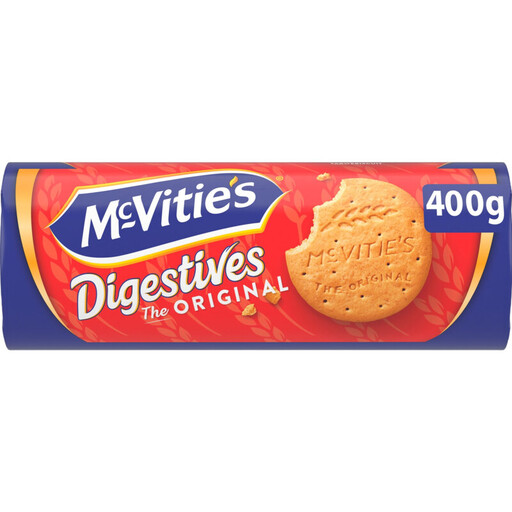
Digestives Original is a regular digestive biscuit for anyone wanting to compare this specific biscuit with taaitaai.
Taai taai Poppetjes are a taaitaai option with an explicit gluten-free label.
Digestive Landtaler is a digestive biscuit option with a gluten-free label.
These products are all digestive biscuits: one Original and two chocolate varieties. Check the labels of the chocolate varieties separately; the nutritional values for Original don’t automatically apply to a biscuit with chocolate.
 No image available
A regular digestive biscuit to go with lunch on the go. The pack contains 400 g; decide for yourself how much to take with you.
The Original variety included in this comparison lists wheat and cereals containing gluten, and may contain milk. If you have an allergy, check the current label on this pack.
 No image available
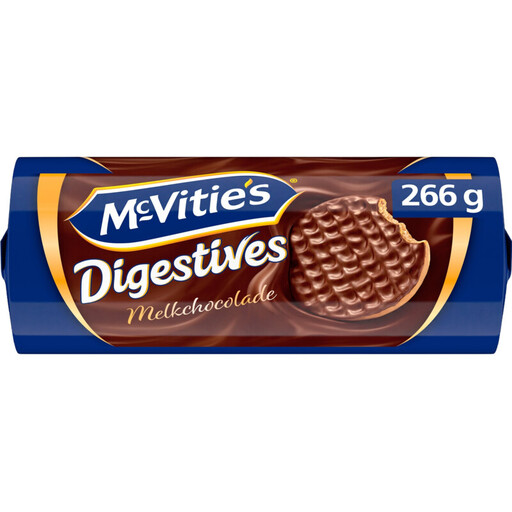
A digestive biscuit with milk chocolate for anyone wanting to take a chocolate variety with them for lunch. The pack contains 266 g.
Compare the nutritional values of this variety per 100 g with taaitaai or Original, and choose your portion. If you have an allergy, check the current ingredients and allergen information.
 No image available
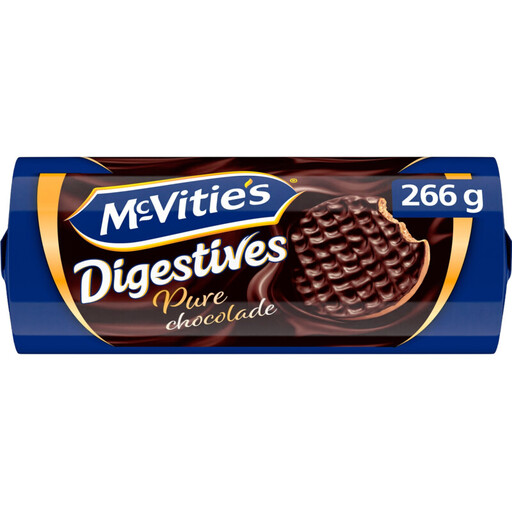
A digestive biscuit with dark chocolate to go with lunch on the go. The pack contains 266 g.
Don’t assume the type of chocolate means it contains more or less sugar or fat: compare the nutritional values per 100 g on the label and decide on your portion. If you have an allergy, check the allergen information too.
Not in the products included in this comparison: according to Albert Heijn, AH Taai taai contains 39 g of sugar per 100 g, while AH Digestive contains 16 g per 100 g. In the same comparison, AH Taai taai does contain less fat and energy. For a different variety, check the nutritional values per 100 g again.
Think of taaitaai and digestive biscuits as something to go with lunch, not a complete lunch in themselves. If you want to take more than just a biscuit, you could also pack bread or fruit, for example, and take the biscuit as a separate portion.
The regular products included in this comparison aren’t gluten-free: AH Taai taai lists wheat and rye, while the regular digestive biscuits included list wheat or cereals containing gluten. If you need to avoid gluten, look for a product with an explicit gluten-free label and check the current pack for other allergens too.
Before eating the biscuit, check the ingredients and allergen information on the pack you receive. The Netherlands Food and Consumer Product Safety Authority explains how allergens are listed on food labels; in the meantime, online product information may differ from the current packaging.