
Brunch hosts looking for dark chocolate
You want to serve a pronounced dark chocolate flavour alongside taaitaai. A stated cocoa percentage is a more reliable guide than dark-looking packaging or the word ‘chocolate’ on its own.


If you want a pronounced dark cocoa flavour at your Easter brunch, serve classic taaitaai with a separate bar of dark chocolate that clearly states its cocoa percentage. Taaitaai with milk chocolate won’t deliver that flavour profile; if you’re mainly after the biscuits’ aniseed flavour, classic taaitaai is a good choice. Check the allergen information and availability of seasonal products before buying.
You want to serve a pronounced dark chocolate flavour alongside taaitaai. A stated cocoa percentage is a more reliable guide than dark-looking packaging or the word ‘chocolate’ on its own.
The biscuits’ aniseed flavour comes first for you. The chocolate doesn’t have to be on the taaitaai and can be served separately if you wish.
You’re buying for guests with different dietary requirements and want to check the ingredients, allergens and warnings on the current packaging of each product.
Choose this: if dark cocoa flavour is your priority and you want to check the chocolate’s cocoa percentage separately.
Bear in mind: the chocolate is a separate product, not a coating on the taaitaai.
Choose this: if you want to serve taaitaai with its aniseed flavour, without needing it to be paired with dark chocolate.
Bear in mind: PLUS and ALDI list the taaitaai mentioned here as part of their St Nicholas ranges; check availability in the run-up to Easter.
Choose this: if you’re looking for taaitaai with milk chocolate and a high cocoa percentage isn’t essential.
Bear in mind: the term ‘milk chocolate’ doesn’t confirm that it’s dark chocolate or state a specific cocoa percentage.
| What to consider | What to check when buying | Who it matters to |
|---|---|---|
| Dark cocoa flavour | Look for a description such as ‘dark’ and a stated cocoa percentage on the chocolate; check whether this refers to the chocolate or the taaitaai. | If I want a pronounced dark cocoa flavour alongside the biscuits, I need to be able to see the chocolate’s percentage. For around 50% of consumers, this cocoa content is a priority when choosing. |
| Classic taaitaai | Check the ingredients for aniseed and choose a pack size that suits your brunch. | For me, the familiar aniseed flavour of taaitaai is the main event at brunch; the chocolate can be served separately. Around 25% of consumers prioritise this biscuit experience. |
| Allergens | Check the current packaging to see which allergens are present and which may be present. | When I’m buying for a guest with an allergy, I want to be able to check both products before serving. For around 25% of consumers, checking allergens is their main concern. |
Jumbo describes its taaitaai variant as milk chocolate. That product name doesn’t mean it contains dark chocolate or tell you the chocolate’s cocoa percentage.
Check the cocoa information on the packaging. If dark cocoa is your main priority, pair classic taaitaai with a separate bar of dark chocolate that states its percentage.
PLUS and ALDI list the taaitaai mentioned here among their St Nicholas products. That doesn’t tell you whether it will be in stock when you shop for Easter.
Check the availability of your chosen biscuits and chocolate shortly before buying.
If you leave it until the last minute, you may need to make an extra trip to another shop or choose a substitute.
For its artisan taaitaai, PLUS lists ingredients including wheat, rye, milk and lactose, as well as warnings about the possible presence of other allergens. Information can vary from product to product.
Read the full allergen information on the current packaging for both the biscuits and the chocolate. For products sold loose, ask for this information before buying.
The cocoa percentage describes the chocolate, not its overall nutritional value. The Netherlands Nutrition Centre points out that chocolate also contains saturated fat and calories.
Choose dark chocolate for the flavour you want, and check the nutritional information if the ingredients matter for your brunch.
Jumbo has product pages for original taaitaai in a 500 g pack and taaitaai with milk chocolate in a 250 g pack.
PLUS lists 250 g packs of artisan taaitaai biscuits as part of its St Nicholas range.
ALDI describes its 500 g taai-taai as aniseed-flavoured shaped biscuits in its St Nicholas range.
Albert Heijn lists separate bars of dark chocolate, including AH Extra Puur with 72% cocoa.
These Joybuy bars are separate chocolate options if you want to serve classic taaitaai with dark chocolate. They aren’t taaitaai products, so choose the biscuits separately. If you have allergies, check the current packaging of both products.
 No image available
For anyone who wants to serve chocolate with a clearly stated cocoa percentage separately alongside taaitaai.
The bar states 90% cocoa and weighs 100 g; taaitaai must be bought separately.
If you have allergies, check the current packaging, including for warnings about the possible presence of hazelnuts, other nuts, milk and soya.
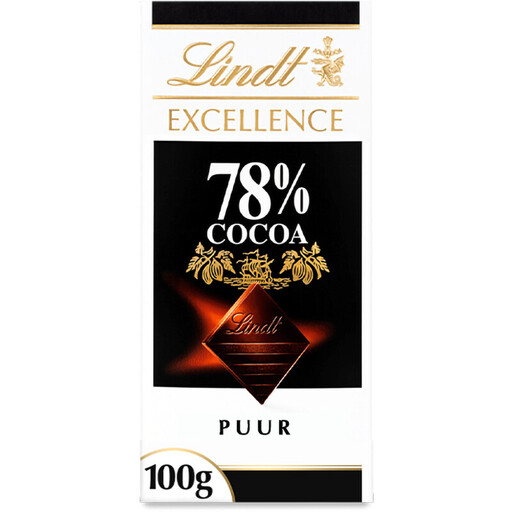 No image available
For anyone who wants to serve taaitaai with a separate chocolate bar that states its cocoa percentage.
The bar states 78% cocoa and weighs 100 g; taaitaai isn’t included.
The product information lists milk as an allergen and warns of the possible presence of nuts and soya. Check the current packaging.
 No image available
For anyone who wants to serve dark chocolate separately alongside taaitaai.
The bar states 70% cocoa and weighs 100 g; the product itself isn’t taaitaai.
If you have allergies, check the current packaging carefully, including for information about milk, nuts, soya and sesame.
No. The name of taaitaai with milk chocolate doesn’t confirm a high cocoa percentage. Check the current packaging for details; separate bars of dark chocolate may state their percentage explicitly.
Read the allergen information for both the taaitaai and the chocolate before buying and serving them. The Netherlands Food and Consumer Product Safety Authority says that allergen information for pre-packed products must appear on the label, so don’t rely on the front of the packaging.
Follow the storage instructions on each product’s packaging. PLUS says to store its artisan taaitaai in a cool, dry, dark place; check the instructions for your chosen chocolate bar separately.
The cocoa percentage alone doesn’t give you the full nutritional picture. The Netherlands Nutrition Centre points out that chocolate also contains saturated fat and calories; check the nutritional information per 100 g and per portion if you want to compare products.