
People buying for a seasonal occasion
They’re looking for a familiar biscuit to share at a Sinterklaas or autumn-themed office gathering. Texture and tradition matter more to them than fibre content.


Choose taaitaai for a seasonal sharing occasion and its soft, chewy texture; a digestive biscuit is a better fit if you’re after something crisp to enjoy with coffee or tea. If fibre is your main priority, the wholemeal AH Digestive reviewed here is worth comparing with AH taaitaai. For every variety, check the label for sugars, fat, salt, ingredients and allergens too.
They’re looking for a familiar biscuit to share at a Sinterklaas or autumn-themed office gathering. Texture and tradition matter more to them than fibre content.
They check fibre, sugars, fat and salt per 100 g and per serving, rather than judging by the product name alone. Among the AH products reviewed, the wholemeal digestive contains more fibre per 100 g than the taaitaai.
They want to know which ingredients and allergens a biscuit contains before putting it out. A label such as vegan or lactose-free is no substitute for checking the full packaging.
First decide whether the occasion or the nutritional values will guide your choice. Then check the ingredients and allergens for the biscuit you’ve chosen.
| What to consider | What to check when buying | Who it matters to |
|---|---|---|
| A biscuit to share | Check the texture and serving size, and whether the variety you want is available. | For a seasonal occasion, I want to be able to share a familiar, soft biscuit. For around 40% of consumers, sharing is the main consideration. |
| Nutritional values | Compare fibre, sugars, fat and salt per 100 g, then look at the serving size. | When choosing biscuits for a regular coffee break, I want to be able to weigh up the nutritional values of each variety. Around 40% of consumers give this comparison top priority. |
| Ingredients and allergens | Read the latest allergen information. For a 0% sugar variety, check the ingredients and usage warnings too. | When colleagues have specific dietary or allergen requirements, I want to know what’s in the biscuit before putting it out. This is the main consideration for around 20% of consumers. |
The name doesn’t tell you how much fibre, sugar, fat or salt a particular biscuit contains, nor does it prove that it has an effect on digestion. Plain, wholemeal and chocolate varieties also differ in composition.
Compare the nutritional information per 100 g and per serving for the varieties you’re actually thinking of buying.
According to Albert Heijn’s product information, AH taaitaai contains 2.5 g of fibre per 100 g, while the wholemeal AH Digestive reviewed here contains 6 g per 100 g.
Choose taaitaai if the traditional sharing occasion is the deciding factor. If fibre matters more, compare wholemeal varieties and check their other nutritional values too.
The AH Digestive reviewed here is labelled vegan and lactose-free, but contains wheat. The AH taaitaai reviewed here lists milk and cereals containing gluten.
Read the full allergen information for every variety and keep the packaging with the biscuits you’re sharing.
The AH Digestive 0% sugar reviewed here contains polyols. The label warns that excessive consumption may have a laxative effect.
When serving this variety, leave the packaging visible so people can check the ingredients and usage warning.
Albert Heijn has its own-brand taaitaai and digestive varieties, including plain, wholemeal and 0% sugar digestive biscuits.
A brand to consider if you’re looking for a classic digestive; the Original variety described by Albert Heijn is a wheat biscuit.
A brand offering traditional taaitaai in small, fun shapes.
An own-brand option to consider if you’re looking for mini taaitaai in a 500 g bag to put out on a sharing platter.
These Joybuy products are digestive biscuits for anyone looking to serve biscuits at a shared coffee or tea break. The plain Original and the two chocolate varieties each have a different composition, so compare their labels before choosing one for your team.
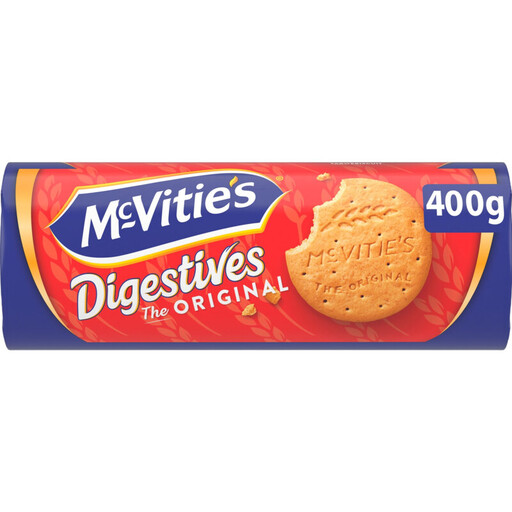 Image unavailable
A plain digestive biscuit for anyone looking for something to enjoy with coffee or tea.
400 g pack. Check the allergen information on the packaging before sharing the biscuits.
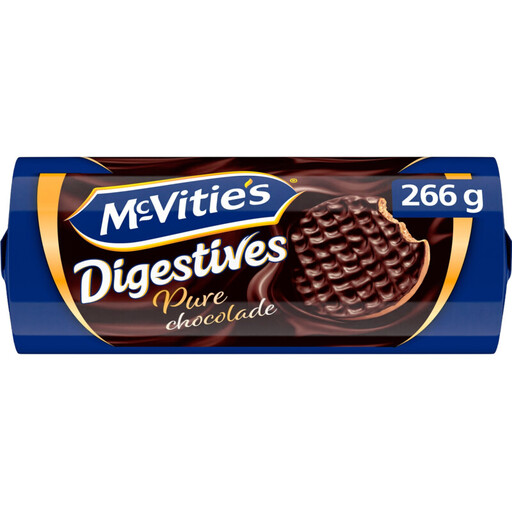 Image unavailable
A chocolate variety for sharing, offering something different from a plain digestive.
266 g pack. If you’re choosing this variety for colleagues, check the nutritional information and allergens on the packaging.
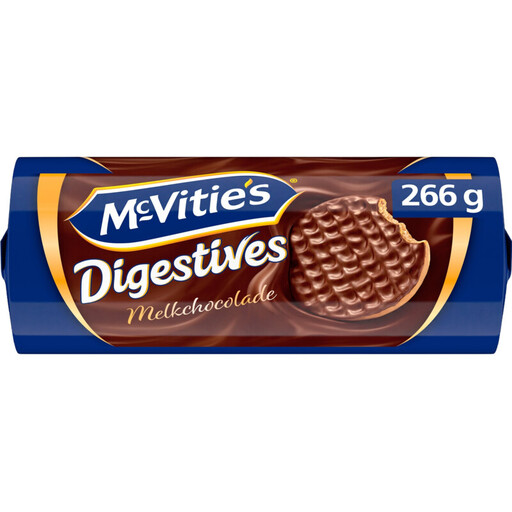 Image unavailable
A milk chocolate digestive for anyone who’s deliberately choosing a chocolate variety to share.
266 g pack. When putting these out to share, keep the packaging handy so people can check the ingredients and allergens.
No. The name digestive doesn’t prove that it has a specific effect on digestion. It’s better to compare the ingredients and nutritional values of the varieties you’re considering. According to Albert Heijn, the wholemeal digestive reviewed here contains more fibre per 100 g than the AH taaitaai reviewed here.
Leave the original packaging beside the biscuits so colleagues can read the information for the variety you’re serving. According to the Netherlands Food and Consumer Product Safety Authority, allergens must be listed on the labels of pre-packed foods. Check the label before putting the biscuits out.
Treat this as a biscuit whose ingredients and usage warning you should read. The AH Digestive 0% sugar reviewed here contains polyols and warns that excessive consumption may have a laxative effect. Keep this information visible when sharing it.
Seal opened biscuits well and follow the storage advice on the specific packaging. For the products reviewed here, the advice is to store them in a cool, dry and dark place.