
Vandaag of morgen in huis

Kwaliteit gegarandeerd

Welkomstaanbiedingen ontgrendelen: GRATIS bezorging | Tot 80% korting | Gratis 30 dagen JoyPlus-proefperiode
Download de app
Syrup is handy for squash, sparkling water, coffee, tea, bubble tea, cocktails and desserts. However, not every bottle is intended for the same use. A large pack may seem like good value, but it may be less suitable if you only use a flavouring occasionally. Terms such as “with fruit”, “natural” or “sugar-free” also do not tell you everything about the ingredients.
With these practical checks, you can avoid a disappointing purchase and find a syrup that suits your household, taste and occasion.
A sugar-free syrup generally contains no sugar, but it may still contain sweeteners. For example, Slimpie Lemon Syrup lists 0 grams of sugar and 1 kcal per 100 ml, with sucralose and acesulfame-K among its sweeteners. This may suit anyone looking to reduce their sugar intake, but the taste and sweetness may differ from those of a traditional fruit syrup.
Always check:
A fruit syrup may combine fruit concentrate, flavourings, colourings and sweeteners. According to the product information, Van de Boom Pear Syrup contains 85% fruit and 0% added sugars. However, the nutritional information still lists 8.5 grams of sugar per 100 ml, naturally present sugars.
Karvan Cevitam Grenadine Syrup also states that it contains 75% fruit from concentrate. The syrup additionally contains 56 grams of sugar per 100 ml. So do not look only at the fruit percentage. Also check “of which sugars” and how much you eventually use in a glass.
A 1.5 or 2-litre bottle is practical for a family or a party, but less convenient if the syrup is used slowly. Once opened, many syrups need to be stored in the fridge. The recommended shelf life after opening varies from one product to another, so check the packaging.
A smaller bottle, such as 250 ml of coffee syrup, may be more efficient if you only add flavour a few times a week. With daily use, a larger bottle may need replacing less often. Therefore, compare the price per litre, the dilution ratio and the number of glasses stated by the manufacturer.
For syrup used to make squash, the dilution ratio is a practical purchasing consideration. According to the product information, Slimpie Lemon Syrup uses a ratio of 1 part syrup to 11 parts water and can make approximately 39 glasses. Karvan Cevitam Grenadine Syrup recommends 1 part syrup to 9 parts water and states that it makes approximately 30 glasses per bottle.
Please note: the number of glasses depends on the size of the glass and how much syrup you add yourself. Use the recommended ratio as a starting point, then adjust the flavour to your preference.
If you are consciously monitoring your sugar or calorie intake, you could choose a sugar-free squash containing sweeteners, such as Slimpie Forest Fruit Syrup or Slimpie Orange Raspberry Syrup. According to the product information provided, these varieties contain 0 grams of sugar per 100 ml, although nutritional values and recipes may change between packs.
For a fruitier profile, look for a fruit syrup with a clearly stated fruit content. Van de Boom Pear Syrup lists 85% fruit from concentrate. Karvan Cevitam Grenadine Syrup states that it contains 75% fruit from concentrate. With both products, it is worth checking that the flavour matches what you are looking for: the fruit percentage tells you something about the sweetness, but not exactly how intense the fruit flavour will taste.
Not every syrup is intended to be mixed with water. Coffee syrup is often concentrated and sweet, while bubble tea syrup is mainly used in milk tea, iced tea or other mixed drinks. According to the product description, JENI Jasmine Green Tea Syrup is intended for bubble tea, milk tea, cocktails and desserts, among other uses.
Always check the current packaging if you have allergies. For example, Douwe Egberts Hazelnut Coffee Syrup lists hazelnut as an allergen. According to the product information, Taksi Dragon Fruit Cordial and Taksi Orange Cordial contain milk ingredients. The allergen information on the bottle takes precedence, particularly where the online product description and packaging do not fully match.
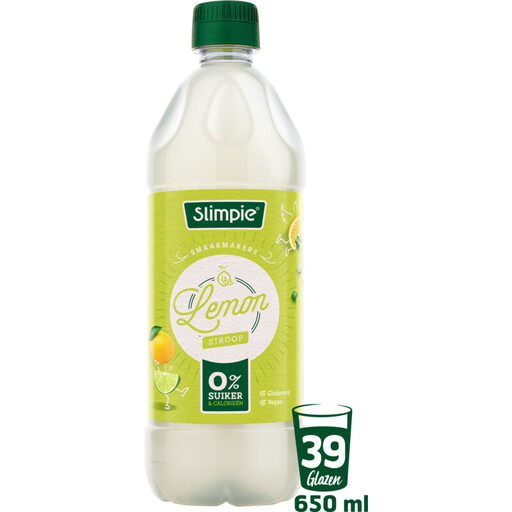
Why it suits this profile: An accessible choice for anyone who wants to make sugar-free squash at home. The bottle is a manageable size, and the stated ratio makes it easy to plan how much you will use.
The product information states 0 grams of sugar and 0 grams of carbohydrates per 100 ml. This makes it immediately clear that this variety has a different recipe from sugar-containing squash syrup.
0 grams of sugar according to the product information; 1:11 dilution ratio; suitable for vegans according to the stated specifications.
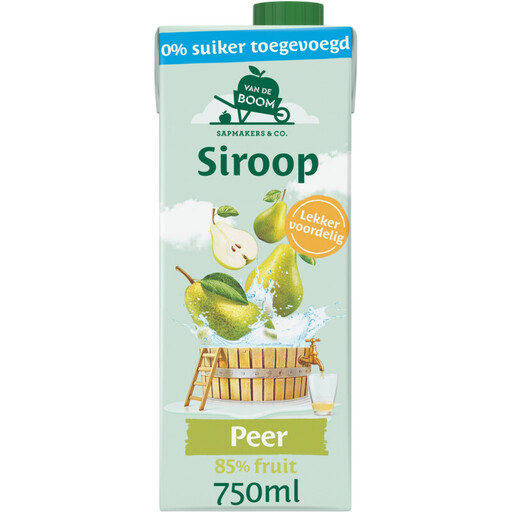
Why it suits this profile: Suitable for anyone who values clear fruit content and regularly serves squash to several people.
The label states the fruit percentage and confirms that there are no added sugars. At the same time, the natural sugars and calorie content are clearly listed.
85% fruit according to the product information; 0% added sugars; 750 ml capacity.
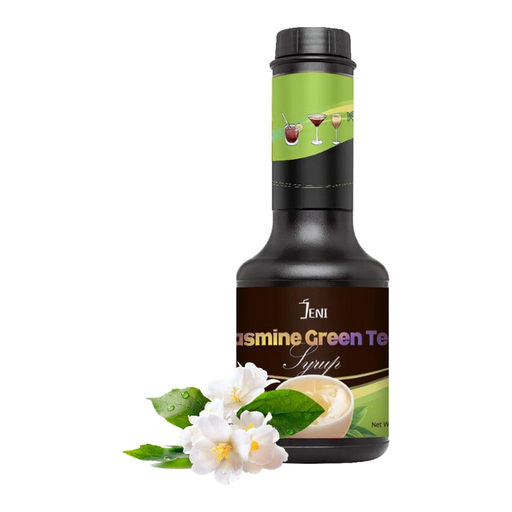
Why it suits this profile: A practical choice for home users, cafés and bubble tea enthusiasts who want to use one syrup in several different recipes.
The intended uses are clearly specified: bubble tea, milk tea, iced tea, cocktails and desserts. This makes your choice less dependent on general marketing terms.
600 grams; jasmine and green tea flavour; suitable for vegetarians and vegans according to the product information.
A coffee syrup such as Douwe Egberts Hazelnut Coffee Syrup is designed to give coffee a hazelnut flavour. This bottle contains 250 ml and, according to the product information, has 78.1 grams of sugar per 100 ml. Use small quantities and check how it affects the overall nutritional value of your drink.
For desserts and cocktails, fruit varieties such as JENI Blueberry Syrup and JENI Strawberry Syrup are useful options. They can be mixed with water or sparkling water and can also be used with ice cream, pancakes, cakes and cocktails. For a floral flavour, T.G. Kiat Rose Syrup is an option for drinks made with water, sparkling water or milk, as well as for desserts. The nutritional information lists 78 grams of sugar per 100 ml.
If you are looking for a distinctive Asian flavour, you could also consider bubble tea syrup with black tea or ube. With less familiar products, take extra care to check the ingredients, nutritional values, size and storage instructions.
We have put together a complete, up-to-date list of products that fully meet these strict selection criteria and the applicable European safety regulations.
Start with the dilution ratio on the label, such as 1 part syrup to 9 or 11 parts water. Stir well and taste. You can then add extra water, syrup or sparkling water if needed. The ratio is a guideline; the final flavour also depends on the temperature and type of water.
This varies from one product to another. Many syrups need to be stored in the fridge after opening and used within the period stated on the packaging. Close the bottle securely, store it upright in the fridge and do not use any product whose seal was damaged.
Not necessarily, although many sugar-free varieties contain little energy. Check the nutritional table per 100 ml. Also bear in mind the difference between the syrup and the prepared drink: the amount of syrup per glass partly determines the final nutritional value.
