
Vandaag of morgen in huis

Kwaliteit gegarandeerd

Welkomstaanbiedingen ontgrendelen: GRATIS bezorging | Tot 80% korting | Gratis 30 dagen JoyPlus-proefperiode
Download de app
Syrup may seem like a simple purchase, but products vary considerably in sugar content, fruit percentage, dilution ratio and possible uses. One bottle may be intended for lemonade, while another is better suited to cocktails, desserts or breakfast dishes.
If you only consider the flavour or price per bottle, you could end up paying more. So, before ordering syrup online, look out for the following common pitfalls.
A sugar-free syrup contains no sugar according to the label, but it may contain sweeteners. Also check the nutritional values per 100 millilitres and the recommended dilution. A syrup containing 0 grams of sugar per 100 millilitres can still taste and work differently when used at another mixing ratio.
For example, Slimpie Lemon Syrup lists 0 grams of sugar and 1 kcal per 100 grams. The recommended ratio is 1 part syrup to 11 parts water. This tells you more about everyday use than simply seeing ‘0% sugar’ on the front of the bottle.
A fruit syrup with a striking name does not automatically contain a lot of fruit. Check the ingredients list and look for terms such as fruitjuice from concentrate, fruit purée or fruit juice from concentrate. Also pay attention to the order: ingredients are listed in descending order by quantity.
According to the product information, Karvan Cevitam Grenadine contains 75% fruit juice from concentrate, while JENI Strawberry Syrup contains strawberry purée as well as fructose, sucrose, sweeteners and flavourings. Both may be suitable, but they are not the same type of fruit syrup.
Not every syrup intended for mixing with water is suitable for every recipe. A thin lemonade syrup mixes easily with still or sparkling water. A concentrated fruit syrup may work better as a topping, flavouring for baking or an ingredient in a cocktail.
So check the following in advance:
Compare products using the same quantity. Karvan Cevitam Grenadine lists 56 grams of sugar and 231 kcal per 100 grams. Slimpie Forest Fruit lists 0 grams of sugar and 1 kcal per 100 grams. According to the product information, Van De Boom Pear Syrup contains 0% added sugars, but does contain 8.5 grams of sugar per 100 grams. These are naturally occurring sugars from fruit.
If you want to limit your sugar intake, you can choose a sugar-free variety containing sweeteners. Check which sweeteners have been used and whether the flavour suits your preferences. If you are looking for a rich, sweet fruit flavour, it may be better to focus on the fruit percentage and total sugar content.
A higher fruit percentage can create a different flavour profile, but it does not guarantee that the syrup will be suitable for every use. Karvan Cevitam Grenadine and Tropical list 75% fruit juice from concentrate. Van De Boom Pear Syrup lists 85% fruit juice from concentrate, mainly apple with pear.
According to the product information, JENI Blueberry, Peach and Mango focus on flavour, colour and sweetness. JENI Blueberry is intended as syrup for lemonade, cocktails, desserts and baking. Its nutritional value is around 260 kcal and 62 grams of carbohydrates per 100 grams. This makes the bottle particularly interesting for recipes where a concentrated sweet flavour is desired.
A 600-millilitre bottle is not always better value than a 750-millilitre or 1-litre bottle. Calculate the:
Slimpie Ice Tea Peach contains 650 millilitres and lists a 1:11 mixing ratio, making up to 39 glasses according to the product information. Karvan Cevitam uses 1 part syrup to 9 parts water and states that one bottle makes approximately 30 glasses. Use these figures as a guide and always follow the instructions on the product packaging.
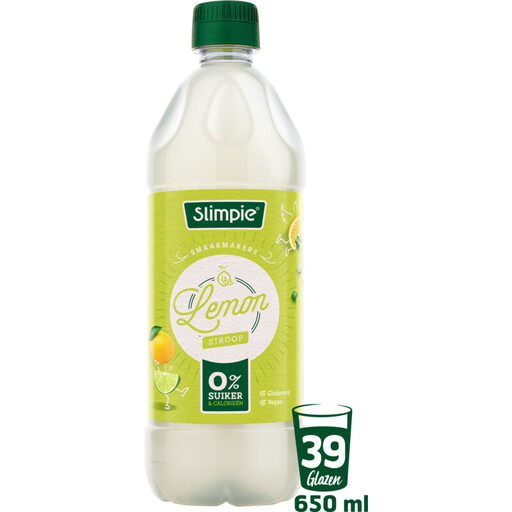
Why it suits this profile: A practical choice for families who regularly make syrup drinks and want to limit their sugar intake. The refreshing lemon flavour works well with both still and sparkling water.
The product information lists 0 grams of sugar and a clear 1:11 mixing ratio. This makes it easier to estimate the cost per glass.
650 ml capacity, 0 grams of sugar per 100 grams and suitable for vegans according to the product information.
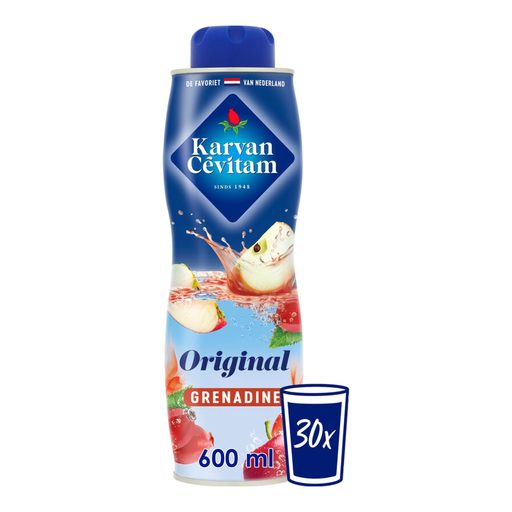
Why it suits this profile: Suitable for anyone looking for a fruity syrup for lemonade, mocktails and summery drinks with sparkling water.
The label states that it contains 75% fruit juice from concentrate and uses a 1:9 ratio. This makes the fruit content and intended use easy to verify.
600 ml bottle, making approximately 30 glasses, and according to the label, free from colourings and artificial flavourings.
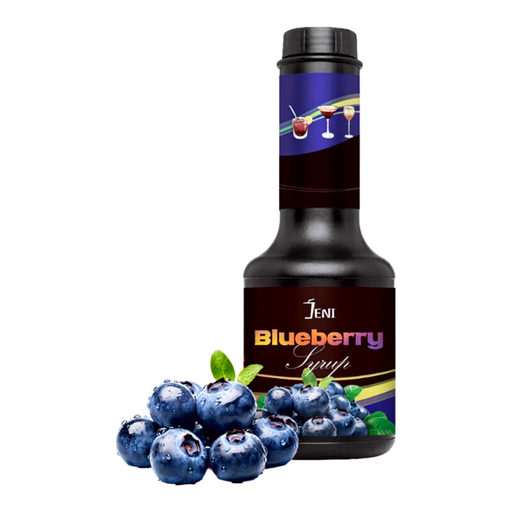
Why it suits this profile: Ideal for anyone who wants to use one syrup in lemonade, cocktails, desserts and baking recipes. The blueberry flavour and colour stand out in creative recipes.
The product information mentions several possible uses and approximately 62 grams of sugar per 100 grams. It is therefore clear that this is not a sugar-free syrup.
456 ml and 600 g, suitable for cold drinks, desserts and baking; according to the product information, free from artificial colourings and preservatives.
We have put together a complete, up-to-date list of products that fully meet these strict selection criteria and the applicable European safety regulations.
For cocktails, a syrup with a clear, concentrated flavour is often the most practical choice. According to the product descriptions, JENI Peach, Mango and Blueberry are suitable for mixed drinks and desserts. T.G. Kiat Rose Syrup works well in milk-based drinks, ice cream, cakes and cocktails. However, check the sugar and colouring content when you want to create a recipe with precise measurements.
Thicker varieties are more suitable for breakfast and baking recipes. According to the product information, G’woon Rinse Apple Syrup contains apple concentrate and pectin and is intended for bread, pancakes, sauces and desserts. Frutesse Apple Cinnamon Syrup combines apple, cinnamon and raisins. These products are not classic lemonade syrups, but rather fruity syrups for solid foods.
A product is not automatically halal or vegan simply because it has a fruit flavour. Always check the label, allergen information and any certification. Milk is listed as an ingredient in Taksi products, so they are not suitable for people who avoid milk. Slimpie is described as vegan in the product information. No halal certification is included in the available information, so check this on the product page or with the manufacturer before purchasing.
That depends on the recommended ratio. At 1:9, you use approximately 20 millilitres of syrup with 180 millilitres of water for a 200-millilitre glass. At 1:11, this is approximately 17 millilitres of syrup. Adjust the ratio to taste, but bear in mind the nutritional value for the amount of syrup used.
Follow the instructions on the packaging. Many lemonade syrups need to be refrigerated after opening and used within the stated period. Close the bottle securely, store it upright in the fridge and do not use any product whose seal was damaged when it arrived.
This varies by product and usage. Compare the price per litre of prepared drink, not just the bottle price. A bottle that makes 30 to 39 glasses according to the label may be good value for a household, provided the recommended dilution is followed. Also take any delivery costs and the shelf life after opening into account.
