
Vandaag of morgen in huis

Kwaliteit gegarandeerd

Welkomstaanbiedingen ontgrendelen: GRATIS bezorging | Tot 80% korting | Gratis 30 dagen JoyPlus-proefperiode
Download de app
Buying sweets and snacks online seems easy: choose a flavour, add a bag to your basket and you’re done. Yet there are a few common pitfalls to watch out for. Eye-catching packaging, for example, says little about what’s inside, a large bag isn’t always better value and imported sweets may have different product information from what you’re used to.
With the right checks, it’s easier to compare Oreo biscuits, Haribo sweets, chocolate snacks, wafers, gummies and Japanese snacks such as Pocky.
A 200-gram candy bag is practical for a film night or birthday party, but less convenient if you only want a small portion now and then. Conversely, lots of small packs can contain relatively large amounts of packaging material. So don’t just look at the price: check the net weight and the number of portions too.
For sweets to share, bags of 200 grams or more are often practical. For taking with you, individually portioned products, such as a small wafer or a 45- to 65-gram bag, are easier to carry.
“Birthday Cake”, “soda”, “strawberry” or “candy floss” gives you an idea of the flavour, but not of the texture, ingredients or allergens. A sour sweet, for example, may contain wheat or gelatine. Always check the ingredients list and allergen information on the packaging.
The composition may also vary between variants of products from different countries. If in doubt, don’t rely solely on a product image or short online description.
Imported sweets and Japanese snacks are ideal if you’re looking for something beyond the standard range. However, the packaging may use another language, and the information on a webshop may be less detailed than on the physical product. The product information for Glico Pocky, for example, lists wheat, milk and soya as allergens. Meito Pukupukutai lists lactose and milk powder, among other ingredients.
Always check the actual label before consuming the product. This is particularly important in the case of allergies, intolerances, dietary choices and products containing gelatine.
Compare products by weight in grams, not just by the price of the bag. A 200-gram bag may be suitable for a family or party, while a 16.5-gram portion may be a better fit for a small treat.
Pay attention to the packaging too:
Ingredients are generally listed in descending order by quantity. Look out for terms such as sugar, glucose syrup, palm oil, milk powder, wheat and gelatine. Products containing wheat usually contain gluten; milk and soya are regularly found in biscuits, wafers and chocolate snacks.
Examples from the range:
Always check the current packaging, as recipes and labelling may change.
Nutritional values are usually shown per 100 grams. This makes it easier to compare products fairly. In the product information provided, for example, the sugar content ranges from 24 grams per 100 grams for Bergen Candy Floss Cookies to 70 grams for Nerds Gummy Clusters Fruits. This says nothing about flavour preferences, but it can help you make a more informed choice.
Also pay attention to:
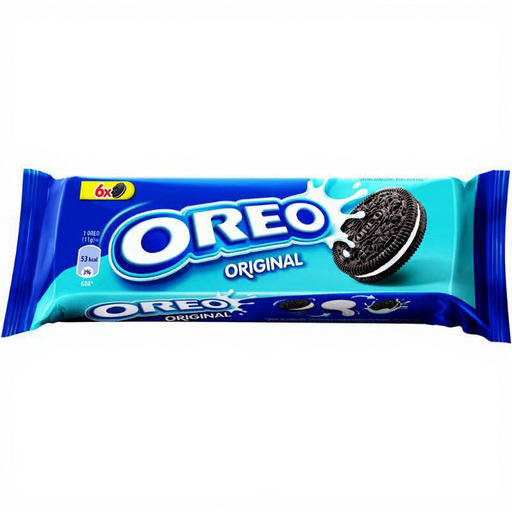
Why it suits this profile: Compact packaging with familiar chocolate biscuits and vanilla filling is an easy choice if you want to compare different types of biscuits without immediately buying a large pack.
The net weight of 66 grams makes the portion size clear. The product information also lists ingredients, nutritional values and allergens.
66 grams; 29% vanilla filling according to the product description; ready to eat.
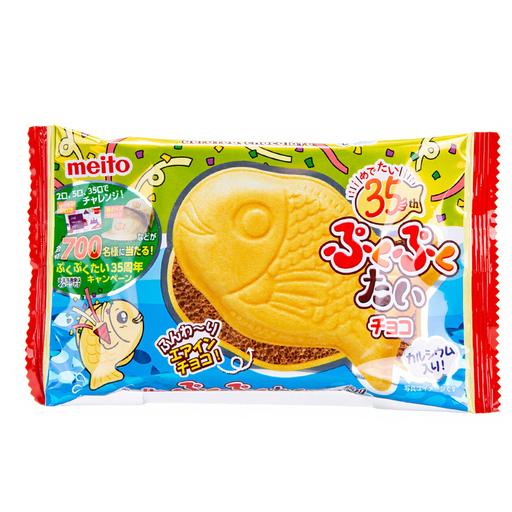
Why it suits this profile: Ideal for Japanese snack lovers who want a small, clearly portioned chocolate snack combining a wafer with a coating.
The individual pack means you don’t have to open a large bag. The product information lists the weight and storage advice separately.
16.5 grams per pack; Japanese origin in the range; contains wheat and milk.
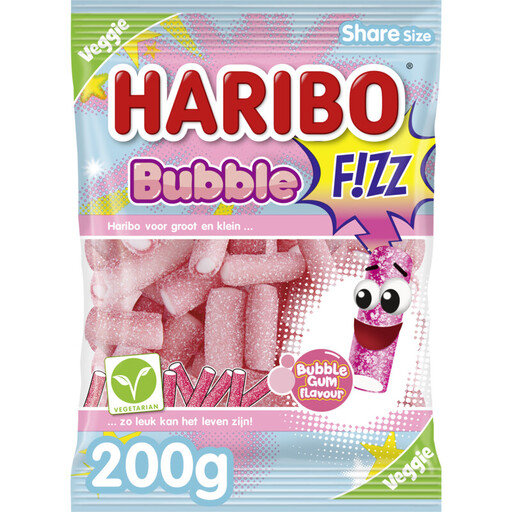
Why it suits this profile: The 200-gram pack is ideal for film nights, visitors and family occasions when several people want to try a sour flavour with a bubblegum note.
The total pack weight is shown clearly, making it easier to judge whether the bag is suitable for one person or for sharing.
200 grams; sour sweets with a bubblegum flavour; according to the product information, made without artificial colourings.

Why it suits this profile: A light, portable snack for anyone wanting to try Japanese snacks at work, while travelling or during a break.
The 45-gram weight makes the choice straightforward. The product information lists wheat, milk and soya, so you can check the allergens in advance.
45 grams; biscuit sticks with strawberry flavour; suitable for taking with you according to the product description.
Use filters and search terms that match the occasion:
When buying sweets for children, also pay attention to their shape and size. Small sweets can pose a choking hazard, so take note of the warnings on the packaging and supervise young children.
We’ve put together a complete, up-to-date list of products that fully meet these strict selection criteria and the applicable European safety regulations.
That depends on how you plan to use them. Sharing packs are often practical for a party, while small bags work better when you’re out and about or when freshness is important. Compare the price per 100 grams and check the number of portions.
Follow the storage advice on the packaging. Biscuits and sweets should generally be stored in a cool, dry place, with the packaging sealed properly. Avoid moisture and direct sunlight. The exact shelf-life information is shown on the product itself.
Check the actual label for ingredients, allergens, net weight, nutritional value and best-before date. Also look out for gelatine, milk, soya, wheat and possible traces of nuts. The packaging takes precedence if the information on a webshop differs from the label.
