
Vandaag of morgen in huis

Kwaliteit gegarandeerd

Welkomstaanbiedingen ontgrendelen: GRATIS bezorging | Tot 80% korting | Gratis 30 dagen JoyPlus-proefperiode
Download de app
Buying sweets might seem straightforward, but online you often see large packs, bright colours and terms like “fruity” or “with fruit juice”. That doesn’t always tell you enough about what’s inside. If you only go by the packaging, you could end up with less sweets than expected, a flavour that doesn’t suit you, or ingredients that aren’t right for the family.
This buying guide from the Joybuy Product Recommendation Officer helps you compare sweets based on type, weight, ingredients, allergen information and when you’ll use them. From soft sweets and gummies to Asian sweets, mixed sweets, liquorice and throat sweets: these are the points to check before you order online.
A 1 kg bag might look like great value, but first think about what you need the sweets for. A large pack is handy for a treat, party or the office. For home use, a smaller bag with individually wrapped portions can be more practical.
So, compare:
ABC Jelly Fruit Jelly Sticks, for example, is sold as a large pack with individual jelly bars. That can be good for sharing, whereas a 40 to 75 gram bag is better suited to a solo snack moment.
Words like fruit, peach, grape or mango often refer to the flavour and not automatically to a high percentage of fruit. Check the ingredients list and see whether fruit juice or fruit concentrate is actually mentioned.
For example, Powerbeärs Tetris Fruit Gum states 20% apple juice from concentrate. Cokoc Triple-Layer Juicy Burst Gummies mentions 10% concentrated fruit juice. These are verifiable details from the product description, but they don’t automatically tell you about the overall nutritional value.
Soft sweets, gummies and jelly sweets often contain gelatine. The source can vary, for example beef or pork. Some products also contain wheat, milk, soya, fruit types or other ingredients that matter to certain shoppers.
Pay extra attention to:
Cokoc Peelable Gummies Football, for instance, carries a warning about E129 and E102 regarding possible effects on activity and attention in children. This is mandatory product information and not a general statement about every child. Always check the label before buying sweets for children.
First, choose the texture you want. Soft sweets and chewy sweets last longer in the mouth, while hard sour sweets dissolve slowly. Gummies and jelly sweets often have an elastic or gel-like texture. Marshmallow-like sweets, such as Cokoc Peeling Soft Candy, are softer and are described in the product information as suitable from 3 years. Adult supervision remains important.
For fans of bold flavours, sour sweets, fruit sweets and sour strips are interesting. For a milder choice, soft peach, strawberry, grape or melon flavours work better. UHA Kororo Crown Melon, according to the product description, contains pieces of cantaloupe and comes in a 40 gram bag.
Sweets generally contain a lot of carbohydrates and sugars. So compare the values per 100 grams, not just per pack. The difference between packs can be significant:
A lower sugar content per 100 grams doesn’t mean the product is a health food. It’s still sweets. Use nutritional values mainly to compare products objectively side by side.
Individually wrapped sweets are handy for on the go, treats and parties. A resealable pack is better for regular sharing at home. Store sweets according to the instructions on the label, usually in a dry, cool place away from direct sunlight. After opening, check that the pack can be closed properly.
For children, age guidance, supervision and portion size are important points to consider. A fun shape, like football gummies or Tetris shapes, can be appealing, but it doesn’t determine whether the product is suitable for every child.
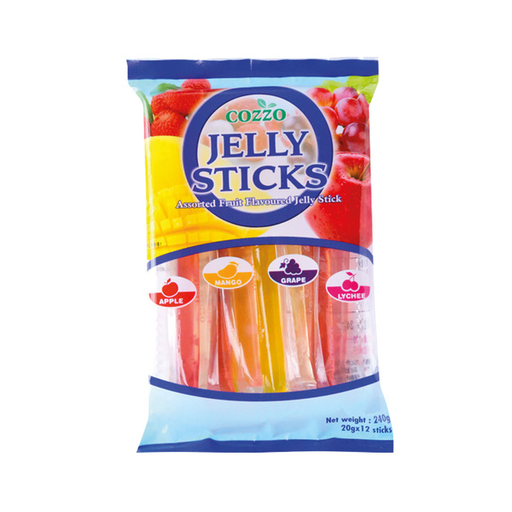
Why This Fits Their Persona: The pack contains 12 individual sticks of 20 grams each. This makes portions easy to divide for home, on the go or a small treat.
You can see both the total content and the portion breakdown, so a large bag is less likely to lead to unclear portions.
240 grams total weight; four fruit flavours; individually wrapped; according to the product information, none of the 14 main EU allergens.
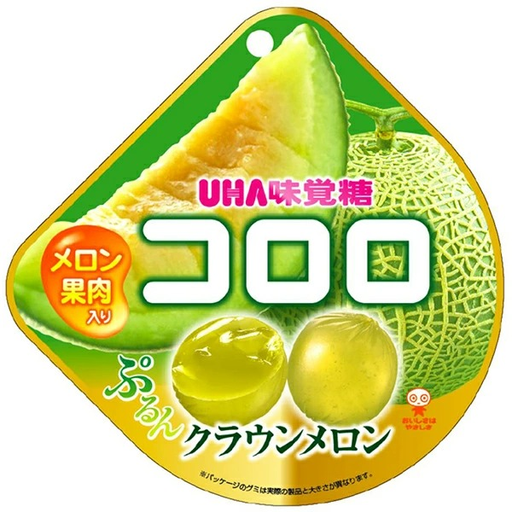
Why This Fits Their Persona: For anyone looking for a smaller portion and a distinctive Asian flavour, this Japanese soft sweet offers an unusual texture with cantaloupe elements.
The bag contains 40 grams, so you’re not paying for a large stock when you mainly want to try a new flavour.
40 grams per bag; melon flavour; soft, chewy texture; ingredients list includes apple and gelatine, among others.
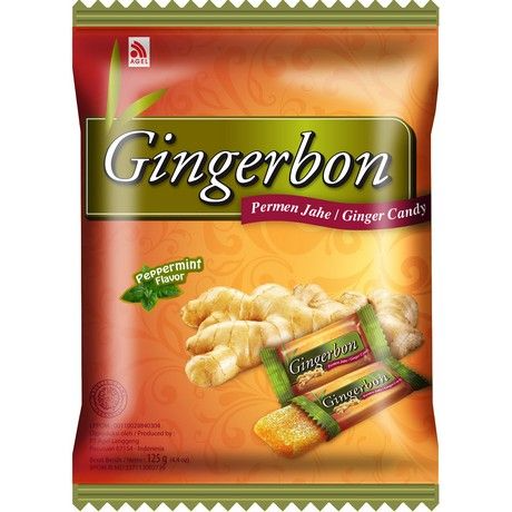
Why This Fits Their Persona: For fans of Indonesian sweets, ginger and mint, this is a clear flavour choice for home, on the go or at the office.
The product description states the ginger content of 7.4% and gives storage advice. This means you can assess the flavour and storage requirements in advance.
125 grams; ginger and mint flavour; according to the product information, none of the 14 main EU allergens.
Browse a current selection of chewy sweets and compare flavour, size, ingredients and packaging before you order.
Check the recommended age, portion size, texture and warnings on the label. Also pay attention to gelatine, allergens and colourings. With soft sweets and gummies, adult supervision is sensible, especially with young children.
That depends on the price per 100 grams, delivery costs and pack size. A large bag isn’t automatically better value. Compare the net weight, the number of portions and any delivery charges before you check out.
Store sweets in a dry, cool place away from direct sunlight. Seal the pack properly and follow the best-before information on the label. For jelly products, different storage advice may apply after opening. So always check the current packaging.
