
Vandaag of morgen in huis

Kwaliteit gegarandeerd

Welkomstaanbiedingen ontgrendelen: GRATIS bezorging | Tot 80% korting | Gratis 30 dagen JoyPlus-proefperiode
Download de app
Buying sweets seems simple, but online you quickly find colourful packaging, small bags and large multipacks all mixed together. As a result, you do not always compare what matters: the contents, ingredients, allergens and occasion. A bag that looks good value, for example, may contain only a few portions. And a product with an appealing fruit flavour is not automatically suitable for someone following a vegan diet.
With this practical buying guide, you can compare confectionery, fruit gums, sweet mixes, jelly beans, sour sweets, liquorice sweets and lollipops based on verifiable features.
A multipack is handy for a party or keeping a supply in the cupboard, but less suitable if you only want a small portion occasionally. So pay attention to the net weight and the number of individual packs. Ten 113-gram bags, for example, are intended for a different use than one 145-gram bag.
For treat bags, a sweet jar or a party, individual portions are often more practical. For use at home, a resealable bag can help keep the confectionery fresher for longer.
Marketing terms do not always describe the full composition. Check the ingredients list and nutrition table. In particular, look at:
According to the product description for Fruitella Berries and Cherry Toffees, natural flavourings and colourings are used and fruit juice has been added. The same description states that the product is vegan. Always check the current packaging before buying, as labels can change.
Gummies with a peelable outer layer, sweets with a crunchy coating or a “mystery” pack are attention-grabbing. That can be fun for children and parties, but think first about whether you are mainly looking for flavour, quantity, portion size or play value. For everyday snacking, a simple sweet mix may make more sense than a small pack with an unusual presentation.
Anyone looking for vegan sweets should specifically check for gelatine, beeswax, milk ingredients and other animal-derived ingredients. “Vegetarian” and “vegan” do not mean the same thing. According to the product information, The Jelly Bean Factory Jelly Beans is described as gelatine-free, while Fruitella Berries and Cherry Toffees is described as vegan.
For fruit gums and gummies, also check the source of the gelatine. According to the product details, Amos Peelerz Mystery Cube contains pork gelatine. Amos’s Banana and Lychee variants state that they contain beef gelatine. This means these products are not suitable for a vegan diet.
The EU recognises 14 major allergens that must be clearly stated on the label. Pay particular attention to:
According to the product information, Red Band Drop & Fruit Duo Sweets does not list any of the 14 major allergens. Red Band Fruit Bits, on the other hand, may contain traces of milk, nuts, peanuts and other ingredients. If you have an allergy, always check the packaging rather than relying solely on the product name.
Sweets generally retain their quality better when stored in a cool, dry place away from direct sunlight. A resealable pack is useful if you are eating from the same bag on several occasions. Individually wrapped toffees are particularly practical for sharing or taking with you.
Nutritional values also vary by product. In the supplied product information, The Jelly Bean Factory Jelly Beans contains 76 grams of sugar per 100 grams. Red Band Fruit Bits lists 69 grams of sugar per 100 grams. These are values per 100 grams; the actual intake depends on the portion you choose.
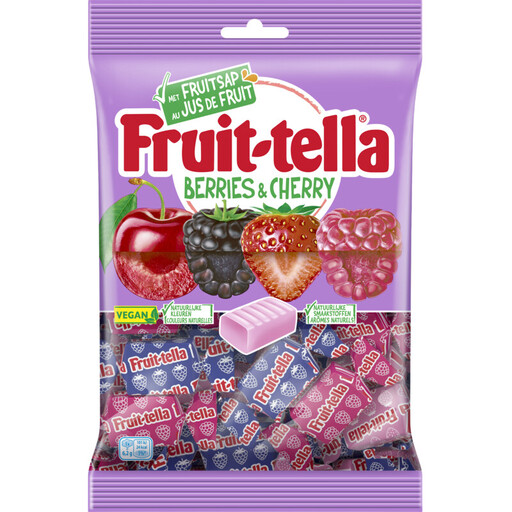
Why it suits this profile: The 200-gram bag offers a familiar fruit mix with individually wrapped toffees. This makes it suitable for trying at home, sharing or taking with you.
The weight and portion format are clearly stated. You do not have to rely solely on the colourful fruit packaging; the product information also lists the ingredients and dietary features.
200 grams, four fruit references in the mix, individually wrapped and described as vegan according to the product description.
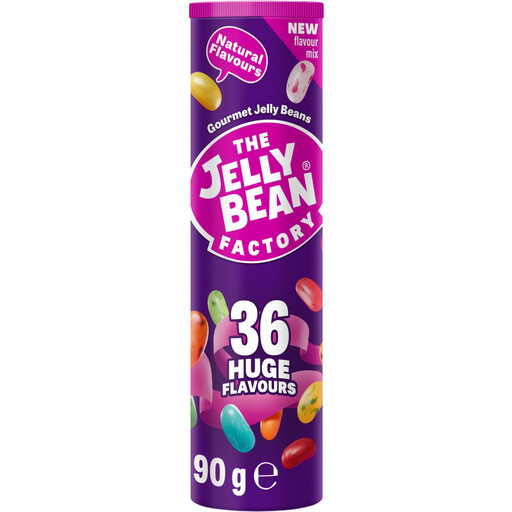
Why it suits this profile: If you want to compare different flavours, the 36 jelly bean flavours listed offer plenty of variety in a compact pack.
The product information lists not only the variety of flavours, but also the weight, nutritional values, resealable packaging and absence of gelatine.
90 grams, 36 flavour varieties according to the product description, natural colours and flavourings, gluten-free and gelatine-free.
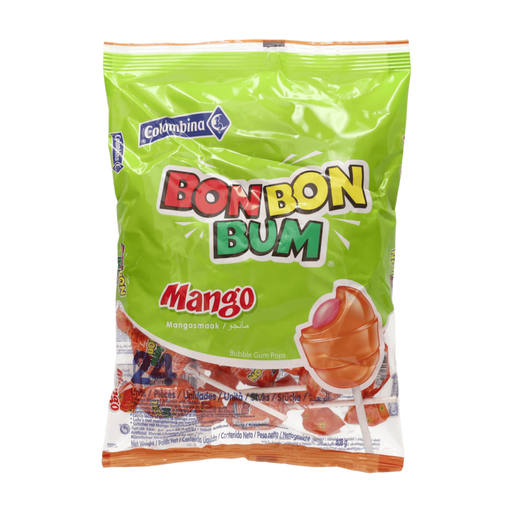
Why it suits this profile: With 24 lollipops per pack, this is a practical choice for parties, sweet buffets and treat bags.
The number of pieces is clearly stated in advance, making it easier to judge whether one pack will be enough for your guests.
408 grams, 24 individual lollipops, mango flavour according to the product description and ideal for sharing.
We have put together a complete, up-to-date list of products that fully meet these strict selection criteria and the applicable European safety regulations.
First check the weight, number of pieces, ingredients, allergens and shelf life. Then consider whether the packaging suits how you plan to use it: resealable for home, individually wrapped for sharing or several small bags for a party.
It varies by product. Look for an explicit vegan label and then check the current ingredients list. Gelatine, milk ingredients, beeswax and some glazing agents can make a product unsuitable. According to the supplied product information, The Jelly Bean Factory Jelly Beans is described as gelatine-free; Fruitella Berries and Cherry Toffees is described as vegan.
Usually store confectionery in a cool, dry place away from direct sunlight. Seal an opened bag securely and keep it away from moisture and heat. Always follow the storage advice on the packaging. If you are unsure whether packaging has been damaged, it is better not to use the product.
