
Vandaag of morgen in huis

Kwaliteit gegarandeerd

Welkomstaanbiedingen ontgrendelen: GRATIS bezorging | Tot 80% korting | Gratis 30 dagen JoyPlus-proefperiode
Download de app
Buying sweet snacks seems straightforward, until you are faced with a shelf or online product page featuring terms such as low sugar, high protein and reduced sugar. These claims do not always tell the whole story. For example, a snack containing little sugar may contain a lot of polyols. A protein bar may provide more than 200 kcal. And with Asian sweets, portion sizes and allergens may sometimes be less clearly stated than you are used to.
With this practical guide, you can focus on the information that really matters: nutritional values per serving, ingredients and allergens, pack size and when you plan to eat the snack.
A low sugar content does not automatically mean that a product is low in calories, fat or carbohydrates. High-protein snacks, for example, may be sweetened with maltitol or other polyols. According to Grenade’s product information, excessive consumption of polyols may have a laxative effect. So, as well as checking the sugar content, check the amount of polyols and the recommended serving size.
Protein bars often highlight the protein content per bar. That is useful, but you should also compare the weight and total energy content. A 60-gram bar containing 20 grams of protein is different from a smaller snack with a lower total weight. Also check whether the protein source suits you, such as milk protein, whey protein or bovine collagen.
Individually wrapped snacks are handy for taking to work, on the go or in your sports bag. However, a multipack is not always the most cost-effective option if you only eat the products occasionally. If you have allergies, always check the label of the specific variant. Product formulas and packaging may change.
Use the table per serving when making your daily choice and the table per 100 grams to compare products fairly. Pay particular attention to:
The Grenade Carb Killa Chocolate Chip Salted Caramel variant lists 20 grams of protein, 1.4 grams of sugar, 226 kcal and 18 grams of polyols per 60-gram bar. The exact values may vary by flavour. Always check the product page and the label.
Sachima is made using ingredients including wheat flour, palm oil and glucose syrup. The HSU FU CHI Sachima Reduced Sugar Crispy Egg Flavor also lists egg and milk powder. The product therefore contains gluten, egg and milk.
The Funwari Kaoru Baumkuchen Cake contains egg, wheat, milk and soya. The chocolate flavour also contains cocoa and states that the production site processes almonds and bananas. This may be important if you have allergies or food intolerances.
Grenade Carb Killa bars contain milk proteins and bovine collagen. Depending on the variant, they may contain traces of gluten, peanuts, soya or nuts. They are therefore not automatically suitable for vegetarians or vegans. Claims such as “Halal suitable” or “Informed Sport” are product statements made by the brand; if you have specific dietary requirements, always check the current packaging.
Choose a snack that fits your plans:

Why it suits this profile: The box contains 18 individually wrapped Sachima snacks, allowing you to spread a Chinese Sachima snack over several tea breaks.
The product page states the net weight, number of packs and nutritional values per 100 grams. This allows you to judge portions for yourself rather than relying solely on “reduced sugar”.
18 individual packs; 469 grams total weight; according to the product information, 3.2 grams of sugar and 7.8 grams of protein per 100 grams.
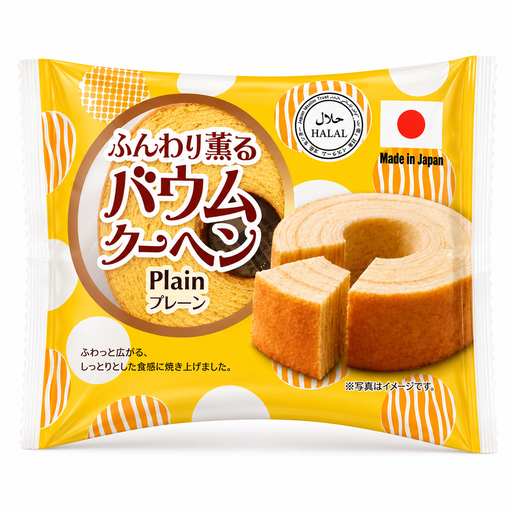
Why it suits this profile: This small Japanese Baumkuchen is all about flavour and texture during a relaxed tea break, rather than a high protein content.
The 52-gram serving size is clearly stated. This tells you in advance that it is a small treat, so you do not compare it incorrectly with a multipack or large cake.
52 grams per pack; recognisable ingredients list; according to the product information, 3.2 grams of protein and 20.7 grams of sugar per 100 grams.
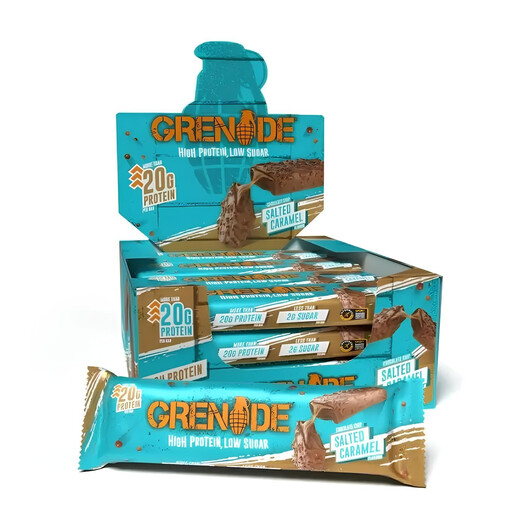
Why it suits this profile: A box of 12 individually wrapped bars is ideal for busy working days, travel and use around exercise when preparation is difficult.
As well as the low sugar claim, the product information also lists polyols, allergens and protein per bar. This gives you a more complete picture than the front of the packaging alone.
20 grams of protein per bar; 1.4 grams of sugar per bar according to the product details; 12 bars weighing 60 grams each; suitable as a practical snack.
We have put together a complete, up-to-date list of products that fully meet these strict selection criteria and the applicable European safety regulations.
Choose an individually wrapped snack with a clearly stated serving size. Protein bars weighing 60 grams are compact and do not need to be refrigerated. Smaller Baumkuchen or Sachima packs are suitable if you mainly want a sweet treat to enjoy with tea.
No. Protein content is just one part of the nutritional picture. Also check calories, fat, sugar, polyols, salt and the ingredients list. A protein bar can be convenient as part of a varied diet, but it is not a substitute for a complete meal.
Compare the sugar content per serving and check which sweeteners have been used. Also pay attention to the serving size and polyol content. If you have allergies or intolerances, the complete ingredients list on the packaging is the deciding source of information.
