
Vandaag of morgen in huis

Kwaliteit gegarandeerd

Welkomstaanbiedingen ontgrendelen: GRATIS bezorging | Tot 80% korting | Gratis 30 dagen JoyPlus-proefperiode
Download de app
Sweet potato snacks come in many forms: from dried sweet potato and soft strips to crispy sweet potato crisps and frozen chips. This wide range can make choosing not always straightforward. A packet with words like “natural”, “light” or “healthy” doesn’t tell the full story.
If you’re shopping online in the UK, it’s worth paying close attention to the ingredients list, nutritional values, portion size and storage instructions. That way, you can avoid a snack turning out differently than expected.
Dried and roasted sweet potato contains less water than a fresh potato. As a result, the flavour is often more intense and the nutritional values per 100g are higher. Some varieties also contain added sugar, glucose or syrup.
A product with only sweet potato as an ingredient can still contain relatively high levels of natural sugars. So always check the table for energy, carbohydrates and sugars per 100g. Also look to see if the values are given per portion, because packet sizes vary a lot.
Sweet potato crisps can be baked, fried or dried. This affects the texture and fat content. For example, Xue Ji Crispy Sweet Potato Chips lists sweet potato, palm oil and raising agent as ingredients. The product information shows 565 kcal and 36.7g of fat per 100g.
BE&CHEERY Sweet Potato Crisps Original Flavor is described as thinly sliced and lightly baked. Yet the nutritional information states 646 kcal and 53.5g of fat per 100g. So “baked” or “not fried” is no reason to skip the nutrition table.
A 500g or 1.6kg bag can be good value for families, but less handy for a lunchbox or the office. With soft snacks, you also need to pay attention to the shelf life after opening. Some products need to be sealed tightly and consumed quickly; others must be refrigerated after opening.
Frozen products are different again: they need to stay frozen until preparation and must not be refrozen after defrosting. So the storage instructions are just as important as the taste.
Start with the first ingredients on the label. If it says 100% sweet potato, the composition is simpler than a snack with sugar, glucose, oil, starch, preservatives or flavourings.
Also watch out for allergens. The product information for several varieties lists none of the 14 major EU allergens. Other dried snacks contain sulphites, for example from sodium metabisulphite. If you have an allergy, always check the packet itself, not just the product photo or short description.
Choose the form that suits the occasion:
A small bag of 70 to 150g is handy for on the go. A 500g packet is better for regular use at home or for dividing into portions. For family use, a 1.6kg bag can be appealing, but check beforehand that you have enough freezer or storage space.
Store dried snacks in a cool, dry place away from direct sunlight. Seal opened packets tightly to keep the texture. For products like roasted sweet potato, refrigeration may be needed after opening. Always follow the label on the specific product.
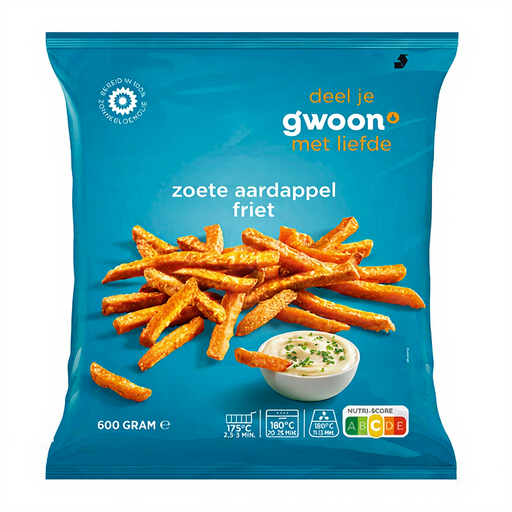
Why this fits the profile: A familiar frozen option for anyone who wants to prepare sweet potato fries at home rather than buying a large stock of ready-to-eat snacks straight away.
The product information states 86% sweet potato and 5% sunflower oil. Do check the nutritional values and preparation method on the packet.
600g, frozen product and prepared with sunflower oil according to the product description.
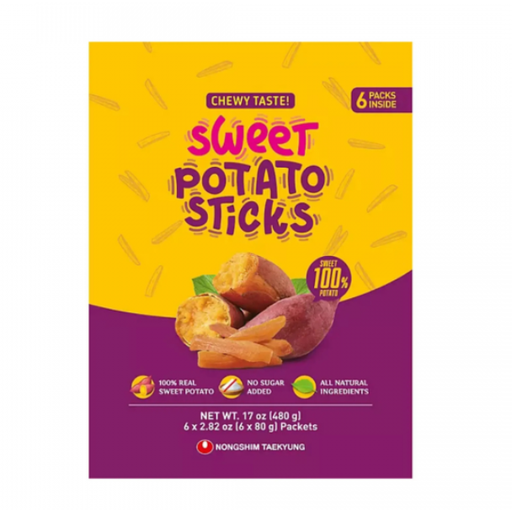
Why this fits the profile: For fans of Asian snacks who want a large packet with a simple ingredients list.
The product information lists sweet potato as the only ingredient and no added sugar. Compare this with the actual label when you receive it.
500g, ready to eat and according to the product information free from artificial additives or preservatives.
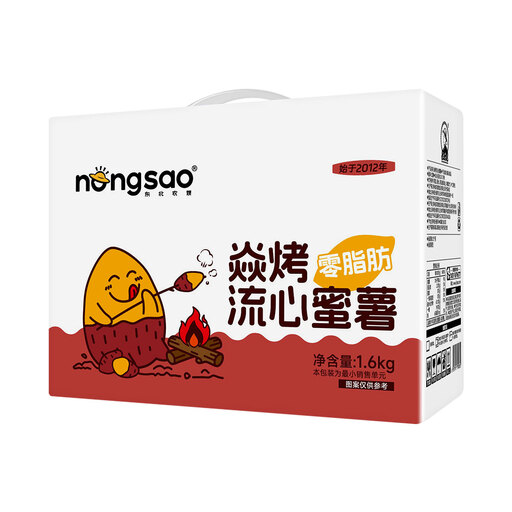
Why this fits the profile: A generous supply for families, shared use or fans of soft roasted sweet potato.
The packet is large, so you won’t need multiple small bags as quickly. After opening, the product should be refrigerated and used within one day according to the description.
1.6kg, ready to eat straight away, warm up or serve chilled; the ingredients list states sweet potato.
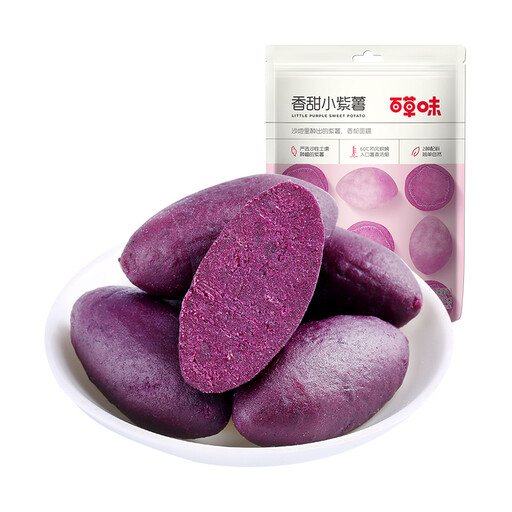
Why this fits the profile: For anyone who wants to try purple sweet potato as a compact, ready-to-eat snack or dessert.
The product information only mentions purple sweet potato and white sugar. So it’s clear from the start that this isn’t a sugar-free option.
108g, ready-to-eat and suitable for taking with you; the nutritional information states 221 kcal per 100g.
We’ve put together a full, up-to-date list of products that fully meet these strict selection criteria and comply with current European safety regulations.
That depends on the product and your portion size. Dried varieties with only sweet potato have a simple ingredients list, but can be relatively high in carbohydrates and sugars per 100g. Crisps with oil can contain more fat and energy. So compare the label rather than just the marketing text.
Store the unopened packet in a cool, dry place away from direct sunlight. After opening, seal the snack tightly to prevent it drying out or absorbing moisture. Some products recommend consuming within a short time. Always check the specific usage instructions on the packet.
A small, ready-to-eat packet with soft strips, crisps or dried sweet potato is practical for travelling, the office or a lunchbox. Look for a resealable packet and check beforehand whether the snack needs to be kept chilled or frozen. That way, you can avoid an unpleasant surprise when you take it with you.
