
当日/次日达

品质保障

开启新人专享福利: 全场免邮 | 低至 2 折 | 免费试用 30 天 JoyPlus 会员
下载 Joybuy
Sweet potato noodles are a popular choice for japchae, hotpot, soups, salads and stir-fries. Yet not all packets are created equal. The thickness, ingredients and cooking method all have a big impact on the final result in your pan.
If you only look for words like “traditional”, “authentic” or “premium”, you could end up buying a packet that isn’t right for your dish. That’s why, as Joybuy Product Recommendation Officer, I focus on verifiable details: ingredients, weight, shape, nutritional information and cooking instructions.
“Korean glass noodles”, “sweet potato vermicelli” and “Korean dangmyeon” are often used interchangeably. However, the shape can vary:
Always check the product image and description. A product labelled “wide noodles” is not the same as thin, transparent noodles.
Some products are made from 100% sweet potato starch. Others also contain tapioca starch, corn starch, water, salt or additives. That’s not necessarily a bad thing, but it can make a difference to the texture and preparation.
If you’re specifically looking for sweet potato starch noodles, it’s worth checking the ingredients list. For example, Shiyi states 100% sweet potato starch. Sunlee lists 89% sweet potato starch and 11% water. Haidilao uses tapioca starch, salt and a few additives alongside sweet potato starch.
Dry glass noodles may feel firm, but they can turn soft if you cook them for too long. Always follow the instructions on the packet and consider how you’ll use them:
Never eat dry starch noodles raw. Products like Yu Quan Wide Noodles explicitly state that cooking is required.
First, look at the proportion of sweet potato starch. A short ingredients list makes comparison easier. Also check the allergen information. Several products in the range state that they contain none of the 14 major EU allergens. Always check the current packaging, especially if you have a food allergy or intolerance.
“Gluten-free noodles” is a relevant search term for many shoppers. However, a product without wheat ingredients isn’t automatically suitable for everyone. Check the packaging and any cross-contamination information before buying.
The shape determines how the noodles behave in a dish:
The terms “transparent noodles” or “glass noodles” mainly refer to their appearance after cooking. They don’t automatically tell you about the thickness or cooking time.
For occasional cooking, 200 g is practical. If you use Asian noodles regularly, a 400 g, 500 g or 1 kg packet means you’ll need to restock less often. Don’t just compare the price per packet – also look at the price per 100 g and the amount you use per meal.
Once opened, follow the storage instructions. Keep dry noodles in a cool, dry place away from direct sunlight. Haidilao states that the product should be refrigerated after opening and used within one day; always follow the instructions on the individual packet.
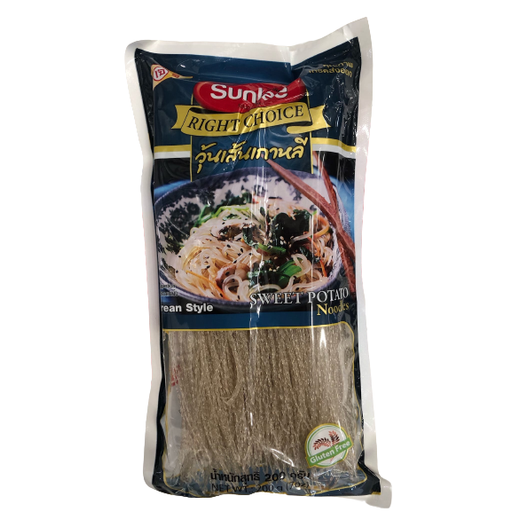
Why it fits this profile: The 200 g packet is a manageable size if you want to try sweet potato noodles for the first time in a soup, salad or stir-fry.
The product information clearly states the composition: 89% sweet potato starch and 11% water. So you know exactly what you’re buying.
200 g packet; according to the product information, free from the 14 major EU allergens.
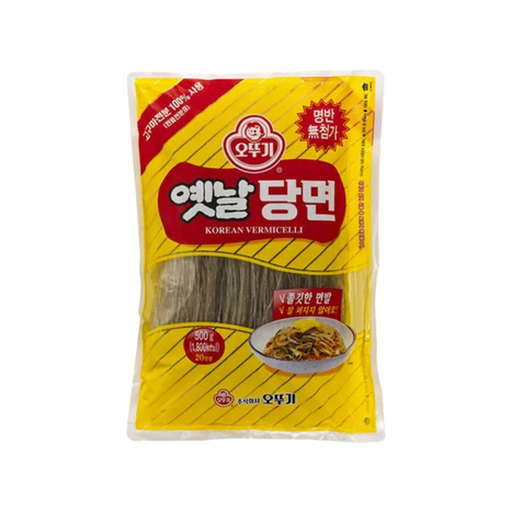
Why it fits this profile: The 500 g size is ideal for households that cook Korean or other Asian dishes on a regular basis.
The ingredients are clearly listed: sweet potato starch and processed starch based on sweet potato starch.
500 g pack; according to the product information, suitable for stir-fries, soups and salads.
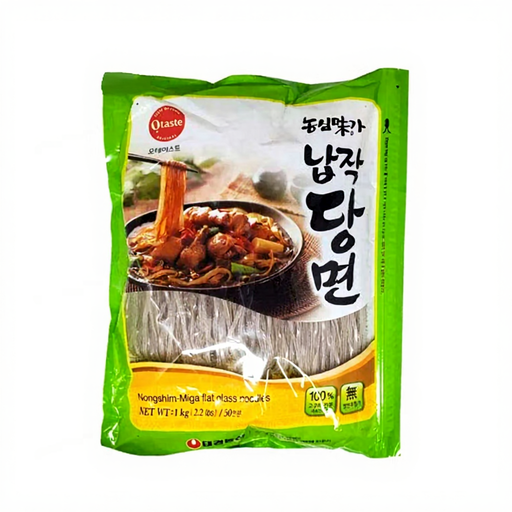
Why it fits this profile: The flat shape and large packet are practical for bigger households, hotpot evenings and regular meal prep.
The product description states 100% sweet potato starch and notes that thorough cooking is required. That removes any confusion about preparation.
Flat noodles; 1 kg pack; according to the product information, suitable for a wide range of dishes.
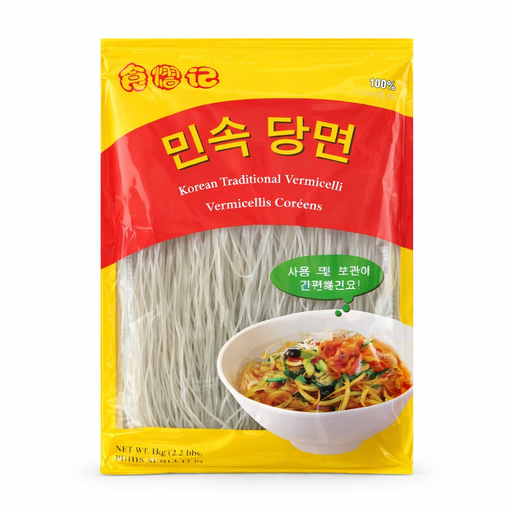
Why it fits this profile: The ingredients list is short and states only 100% sweet potato starch, making it easy to compare the composition.
No extra starches are listed in the ingredients. However, always check the current packaging and cooking instructions.
400 g pack; 100% sweet potato starch according to the product information; none of the 14 major EU allergens listed.
We’ve put together a full, up-to-date list of products that meet these strict selection criteria and comply with current European safety regulations.
Many varieties contain only sweet potato starch, water or other starches without wheat, according to the ingredients list. That’s why they’re often searched for as gluten-free noodles. If you have an allergy or medical condition, always check the current packaging, allergen information and possible cross-contamination.
It depends on the product. Some Korean glass noodles need to be soaked in warm water for 10 to 30 minutes first. Haidilao states that the noodles can be added directly to a gently simmering broth and cooked for 5 to 8 minutes. Don’t add them blindly in the same way – follow the instructions on the packet.
Dry noodles should generally be kept in a cool, dry place and sealed tightly. The exact instructions vary by brand. Haidilao states that after opening, the product should be refrigerated and consumed within one day. For other products, the main advice is to keep the packet well sealed and protected from moisture. Always check the packaging before using an opened bag again.
