
当日/次日达

品质保障

开启新人专享福利: 全场免邮 | 低至 2 折 | 免费试用 30 天 JoyPlus 会员
下载 Joybuy
Sweet potato noodles are known for their translucent appearance and firm, springy bite. Yet not all packets are the same. One bag contains only sweet potato starch and water, while another variety includes wheat, oil, flavourings or multiple starches. The cooking time can also vary significantly.
That makes comparing important, especially if you’re looking for gluten-free noodles, Korean potato noodles or a quick instant meal. As Joybuy Product Recommendation Officer, I filter the key product information so you can separate marketing terms from verifiable specifications.
The name alone isn’t always enough. According to the ingredients list, NongShim Instant Potato Noodle Soup contains 49% potato starch, but also wheat flour and wheat gluten. These Korean potato noodles are therefore not suitable for anyone who must strictly avoid gluten.
Always check:
Products with only sweet potato starch and water generally have a shorter ingredients list, but still check the packaging.
With instant potato vermicelli, “0 g fat” may refer to the noodles themselves, while a sauce, oil or sesame sachet does contain fat. The salt content can also come mainly from the flavourings. So check whether the nutritional values apply to the dry noodles, the prepared portion or noodles plus sauce.
An instant variety with multiple sachets is convenient, but the full nutritional value determines what you actually eat.
Thin sweet potato vermicelli works differently from wide potato noodles. Thin strands are suitable for soup, stir-fries and cold salads. Wide noodles absorb more broth and sauce and stay interesting in hotpot or stewed dishes.
Also pay attention to preparation. Some products need to be soaked for 15 to 30 minutes first. Others can be prepared directly in a hot broth or with boiling water.
First, look at the main ingredient. Yu Quan Sweet Potato Hot Pot Stew Powder lists sweet potato starch and water as ingredients. Haidilao Hot Pot Sweet Potato Noodle also contains tapioca starch, salt and various additives. NongShim combines potato starch with wheat.
If you’re looking for gluten-free noodles, it’s wise not to rely solely on the product name. An allergen statement such as “contains none of the 14 major EU allergens” is useful, but check the current packaging before purchase.
A dry bag of 350 to 500 g is handy as a store-cupboard staple, but usually requires soaking and cooking. Instant potato noodles in a bowl or bag are quicker to prepare, but often contain separate sauce and oil portions.
Follow the instructions on the packaging. For example, Yu Quan recommends 20 to 30 minutes of soaking for the hotpot variety, followed by about 3 to 5 minutes of cooking. Haidilao suggests around 5 to 8 minutes for hotpot. Raw starch noodles are not suitable for eating directly.

Why this fits the profile: A large pack for anyone wanting to try different dishes without immediately opting for a seasoned instant meal. According to the product information, this product consists of red sweet potato starch, maize starch and water.
The ingredients list is straightforward and the packaging contains no separate sauce that alters the nutritional values. However, you do need to soak and cook according to the instructions.
500 g content, 0 g fat per 100 g according to the product table, and suitable for soup, hotpot, stir-fries and cold salads.
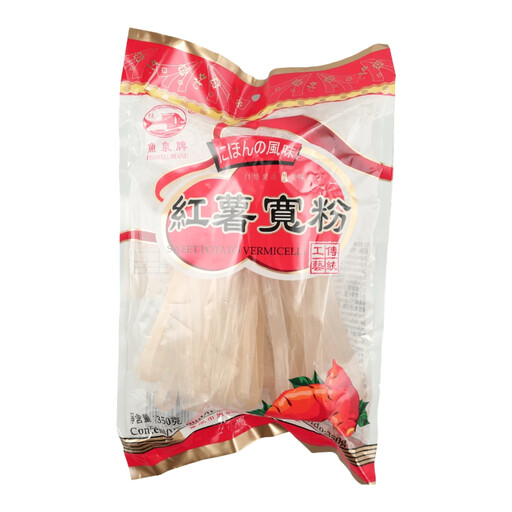
Why this fits the profile: The wide shape is designed for hotpot and braised dishes. According to the product information, this variety consists of 88% refined sweet potato starch and contains water.
The wide shape makes the difference clearer than a general product name. The listed ingredients and allergen information help when comparing composite varieties.
350 g pack, wide noodles for broth and sauce, and according to the product information 0 g fat and 0 g salt per 100 g.
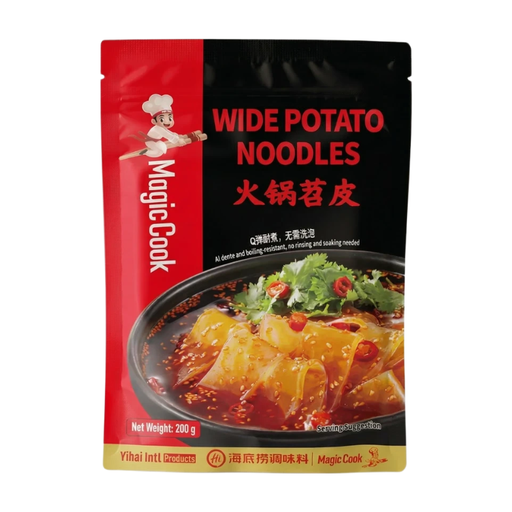
Why this fits the profile: According to the product information, these hotpot noodles are also suitable for stir-frying and cold salads. The stated cooking time is 5 to 8 minutes.
The packaging is not limited to one cooking method. After opening, do check the storage instructions: refrigeration and consumption within one day are recommended.
Can be used in hotpot, wok and cold salad; 200 g content and a stated fat content of 0.1 g per 100 g.
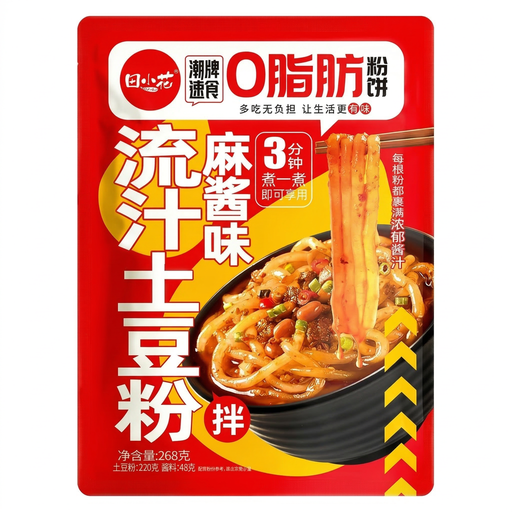
Why this fits the profile: These instant potato noodles come with a sesame sauce and vegetable sachet. According to the usage instructions, you add hot water, after which the meal is mixed without lengthy preparation.
The product information states the fat content separately, but also lists allergens in the flavourings. Sesame, soya and wheat are indicated; check this before purchase.
268 g content, sesame sauce in a separate sachet and according to the nutritional information 0 g fat per 100 g.
We’ve put together a full, up-to-date list of products that fully meet these strict selection criteria and comply with current European safety regulations.
Not automatically. Products with only sweet potato starch and water can be gluten-free based on the listed ingredients, but composite potato noodles may contain wheat, soya or other allergens. Always check the current packaging.
This varies by thickness and brand. For soaked dry vermicelli, expect a few minutes of cooking. Some hotpot varieties recommend 3 to 5 minutes, while others need 5 to 8 minutes. Use the product instructions as a guide and check the bite during cooking.
Store dry noodles sealed in a cool, dry place. Cooked noodles are best used straight away. For products with specific storage instructions, such as some hotpot varieties, follow the directions on the packaging and take note of refrigeration and short consumption time.
