
当日/次日达

品质保障

开启新人专享福利: 全场免邮 | 低至 2 折 | 免费试用 30 天 JoyPlus 会员
下载 Joybuy
As a Joybuy Product Recommendation Officer, I often see home cooks start a new recipe with enthusiasm, only to be disappointed by the wrong ingredient. This is especially common when buying sweet potato noodles. You want that perfect, springy texture for your Korean Japchae, but end up with a mushy mess.
Before you fill your shopping cart, it's wise to know the most common pitfalls that can ruin your purchase:
To avoid a bad purchase, there are two specifications you should always check on the packaging. This will help you find the right Korean glass noodles for your kitchen.
Authentic Korean dangmyeon (the Korean name for these noodles) are made from 100% sweet potato starch. This ingredient is the key to their unique, slightly sweet flavour and springy, almost slippery texture.
Sweet potato noodles come in various shapes. The choice depends on the dish you want to make.
By paying attention to these two points, you can more confidently buy glass noodles that suit your culinary plans.
To help you get started, we've highlighted a few products that cater to different types of home cooks.
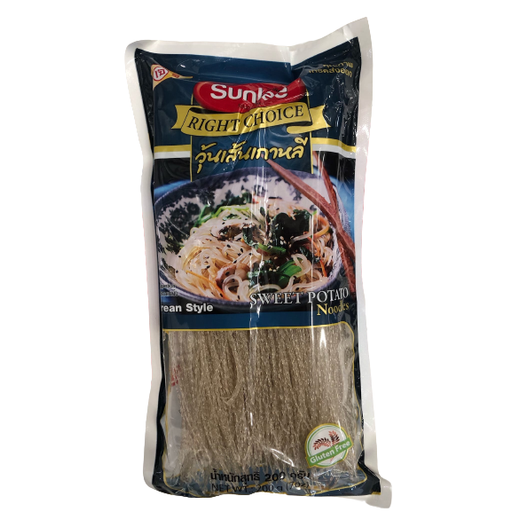
Why This Fits Their Persona: Ideal for anyone wanting to make Japchae for the first time. The 200-gram package is just enough for a meal for 2-3 people, so you won't be left with a large bag if it's a one-time experiment.
The name "Korean-Style Sweet Potato Noodle" is clear and prevents confusion with other types of glass noodles. You know you have the right base for your dish.
Convenient portion size for beginners. Made from sweet potato starch for the correct texture.
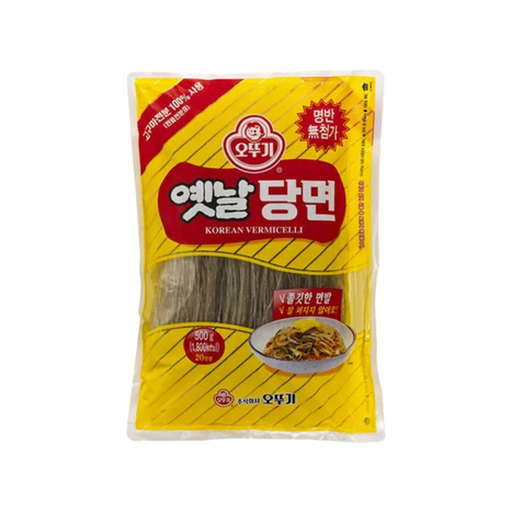
Why This Fits Their Persona: For the cook who regularly makes Korean noodle dishes. Ottogi is a well-known Korean brand, and the 500-gram package provides a good supply for multiple meals.
This product is made from sweet potato starch and delivers the consistent, springy texture needed for a successful Japchae. No risk of mushy noodles.
Large package for great value. Reliable quality from a well-known brand.
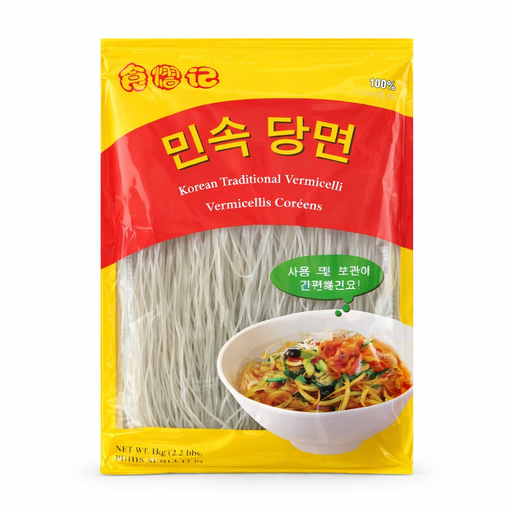
Why This Fits Their Persona: Perfect for the health-conscious eater or someone on a strict gluten-free diet. This product lists "100% Sweet Potato Starch" as its ingredient, indicating a pure and unblended product.
By explicitly stating "100% Sweet Potato Starch," you avoid the pitfall of hidden starch blends. You get exactly what you expect: pure, resilient noodles.
Pure product with a single main ingredient. Guaranteed gluten-free and delivers the most authentic texture.
We have compiled a complete, up-to-date list of products that fully meet these strict selection criteria and regulations.
Preparation is simple but requires a few steps. First, soak the dried noodles in warm water for about 20-30 minutes until they are soft and pliable. Then, cook them in a large pot of boiling water for about 5-8 minutes, depending on the thickness. They are done when they are completely translucent and springy. Briefly rinse them with cold water to stop the cooking process and prevent sticking, especially if you're using them in a stir-fry.
No, this is a common misconception. Although noodles made from 100% sweet potato starch or mung bean starch are naturally gluten-free, other types of "glass noodles" or transparent noodles may contain wheat starch or other gluten-containing ingredients. Always check the ingredients list on the package if you follow a gluten-free diet.
Dangmyeon (??) is the Korean term for noodles made from sweet potato starch. It usually refers to the standard thickness used for Japchae. Sweet potato vermicelli is a more descriptive English term. In practice, both names can refer to the same product, but "vermicelli" can sometimes indicate a thinner variety. For Japchae, the term dangmyeon or "Korean glass noodles" is often a reliable indicator.
