
当日/次日达

品质保障

开启新人专享福利: 全场免邮 | 低至 2 折 | 免费试用 30 天 JoyPlus 会员
下载 Joybuy
As a Joybuy Product Recommendation Officer, I see how often people choose the wrong noodles. The confusion is especially high when it comes to sweet potato noodles. You think you've found the perfect base for your Korean Japchae, only to end up with a mushy mess. Or you're looking for a gluten-free alternative and accidentally grab the wrong product. This guide will help you make the right choices, cutting through the marketing hype.
We'll look at the pitfalls that cost you money and the specifications that truly matter.
Before you casually toss a pack of noodles into your cart, check these two points. They are more important than the packaging or brand name.
The foundation of a quality sweet potato noodle is, naturally, sweet potato starch. The higher the percentage, the better the signature ‘chewy’ texture.
The shape of the noodle isn't a matter of taste, but of function.
Below are some popular choices, matched to specific home cooks.
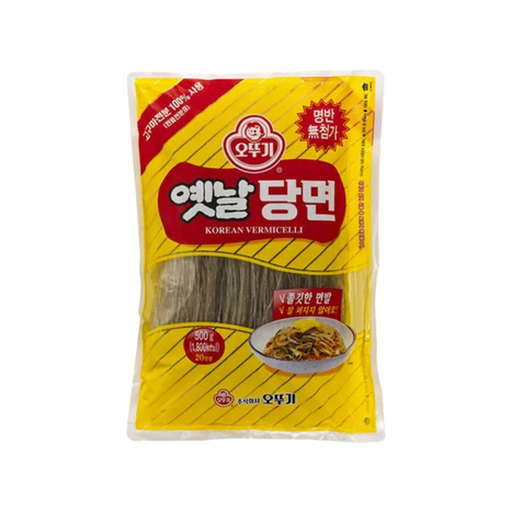
Why This Fits Their Persona: This person wants to replicate the true flavour and texture of Korean dishes like Japchae at home. Ottogi is a well-known Korean brand that delivers the correct resilient and slightly chewy texture essential for this dish.
These are specific Korean noodles made from sweet potato starch, not generic glass noodles. You are guaranteed to get the correct dangmyeon texture and avoid a mushy result.
Made from sweet potato starch for an authentic, chewy texture. The 500g package is ideal for multiple meals or larger groups.
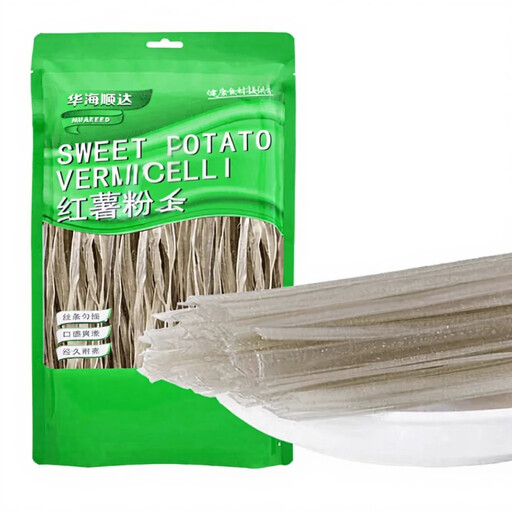
Why This Fits Their Persona: For those who regularly enjoy hot pot, noodles that can withstand the heat and time in the broth are a must. These wide, flat noodles are specifically designed for that purpose.
According to the manufacturer, these noodles are resistant to overcooking. Unlike thin vermicelli, they won't fall apart and will maintain their pleasant, firm bite in the hot broth.
The wide, flat design provides a large surface area that absorbs flavours well. Made from pure sweet potato starch for an authentic, smooth texture.

Why This Fits Their Persona: This user is looking for a reliable and versatile gluten-free alternative to traditional pasta or noodles. The straight shape makes them easy to portion and use in various dishes.
The ingredient list is clear: red sweet potato starch and corn starch. This confirms the product is naturally gluten-free, with no hidden additives for consumers to worry about.
The large 500g package offers excellent value for money. The straight shape is versatile and suitable for soups, salads, and stir-fry meals.
We have compiled a complete, up-to-date list of products that fully meet these strict selection criteria and current regulations.
Soaking isn't always mandatory, but it is highly recommended. It significantly shortens the cooking time (from 10-12 minutes down to 3-5 minutes) and ensures more even cooking. About 15 to 30 minutes in warm water is usually sufficient. For hot pot, you can sometimes add them directly to the hot broth, but be aware that they will take longer to cook.
"Glass noodles" is a general name for transparent noodles. They can be made from various starch sources. Sweet potato noodles (Korean: dangmyeon) are a specific type of glass noodle. You can recognise them by their slightly greyish colour and unique chewy, resilient texture after cooking. Mung bean glass noodles are often whiter, thinner, and have a less pronounced 'bite'. For most Korean recipes, you need the sweet potato variety.
Dried noodles have a long shelf life. Store any leftovers in an airtight container or seal the original package tightly with a bag clip. A cool, dry, and dark place, like a pantry, is ideal. Avoid moisture and direct sunlight, and the noodles will remain good for months.
