Choose brioche if you want the bread itself to be soft and sweet for a special brunch. If you’d rather add sweet toppings to bread with more crust and texture, look for a white crusty loaf or white sourdough. Check the ingredients, nutritional information and allergens for each product. You can’t tell from the type of bread alone whether baker’s salt has been used.
Which bread is right for you?
Brunch hosts looking for soft, sweet bread
If you want the bread itself to taste sweet, brioche is one option. Albert Heijn describes its brioche as softly sweet. If you choose this type of bread, check that ingredients such as egg and milk are suitable for the people you’re making breakfast for.
Fans of sweet toppings and a hearty crust
If you’d like to serve jam or honey on bread that’s less like brioche, take a look at white crusty bread or white sourdough. Albert Heijn describes its white crusty loaf as firmer, with a crisp exterior; PLUS lists sourdough in its Korenlanders Desem Wit. Check the grains and allergens in each loaf.
Shoppers who read labels carefully
The names brioche, crusty loaf and sourdough don’t tell you enough about sugar, fibre, allergens or salt. Compare nutritional information on the same basis, for example per 100 g. If baker’s salt matters to you, check the ingredients too: according to the Voedingscentrum, its use isn’t compulsory.
What should you look for when choosing?
Brioche
Best for: a brunch where the bread itself needs to have a soft, sweet flavour.
Consider: ingredients and nutritional values vary by product, so check the label for sugar and allergens in particular.
White crusty loaf
Best for: sweet toppings on bread with a firmer texture and crisp crust, as Albert Heijn describes its white crusty loaf.
Consider: add your own topping for sweetness; this is still white bread, not wholemeal.
White sourdough
Best for: a more traditional bread base for sweet toppings, if you also like the flavour of sourdough.
Consider: sourdough doesn’t mean wholemeal or allergen-free; PLUS Korenlanders Desem Wit contains wheat and rye.
| What to consider |
What to check when buying |
Who it matters to |
| Sweet flavour |
Check the ingredients and compare sugar levels for the same quantity. |
For a special brunch, I want bread that tastes soft and sweet even without toppings. Around 36% of consumers put the flavour of the bread itself first. |
| Crust and texture |
Check the description of the crust and the shape of the loaf; for sourdough, look at the grains used too. |
With jam or honey, I prefer a bread base with more texture than a soft brioche roll. Around 29% of consumers put this preference first. |
| Availability and shape |
Check whether the product is available in store and whether you’re buying a whole loaf or individual rolls. |
If I’m shopping shortly before brunch, I want to know whether the bread is available and how many pieces I’ll get. This is the main concern for around 21% of consumers. |
| Label and ingredients |
Read the latest allergen and nutritional information; check whether baker’s salt is listed if necessary. |
If I’m considering ingredients or allergens, I don’t want to rely on the name of the bread. Around 14% of consumers put checking the label first. |
Common mistakes
-
Assuming all bread contains baker’s salt
According to the Voedingscentrum, using baker’s salt is not compulsory. So the type of bread won’t tell you whether it has been used.
Check the ingredients for baker’s salt or iodised salt. If this isn’t clear for unpackaged bread, ask the baker.
-
Assuming ‘premium’ means more nutritious
A special flavour or preparation method doesn’t, in itself, tell you anything about nutritional value. The Voedingscentrum gives the average sugar content of a 50 g portion of brioche as 12.5 g and recommends replacing white bread with wholemeal or brown bread as much as possible.
Choose bread to suit the flavour and occasion you have in mind. If sugar or fibre is a factor in your choice, compare the nutritional information for specific products.
-
Choosing based on the name alone
Brioche, crusty loaves and sourdough vary in their ingredients and shape. A burger bun is also quite different from a whole loaf for a brunch table.
Check the latest label for allergens, and check the weight, number of pieces and any preparation instructions.
-
Assuming the online range matches what’s in store
Lidl lists its 350 g Melk brioche as an in-store product. An online product listing doesn’t necessarily mean you can pick up the bread at your local store.
Check whether the specific bread is available before planning your brunch around it.
Brands to consider
Albert Heijn
Albert Heijn sells both AH Brioche and AH Vloerbrood wit: two different bread bases for a sweet breakfast.
- AH describes its brioche as softly sweet and its white crusty loaf as firmer, with a crisp crust.
- Check the latest ingredients and allergen information on the packaging for both products.
Jumbo
Jumbo offers a range of white breads and sweet bread products, which you’ll need to assess individually based on their shape.
- The product information for Jumbo Brioche Broodje 270 g lists iodised salt and several allergens.
- Jumbo says this specific brioche product is no longer available online, so don’t treat the listing as confirmation that it’s available for your brunch.
Lidl
Lidl lists its 350 g Melk brioche as a product for in-store purchase.
- The product name and pack size help you decide whether this shape of bread suits your breakfast.
- Check the packaging in store if ingredients, allergens or nutritional values matter to your choice.
ALDI
ALDI describes Bakkersgoud rustiek wit as a white loaf with a golden-brown crust and soft centre.
- This combination could work well with sweet toppings if you like a crusty loaf.
- Check the packaging for the ingredients and allergens in the loaf you buy.
PLUS
PLUS Korenlanders Desem Wit is a white wheat and rye bread for anyone who’d like to try sourdough with sweet toppings.
- For this specific loaf, PLUS lists 8% sourdough and 1.3 g of sugar per 100 g.
- The product contains wheat and rye; check the latest packaging if allergens are a consideration.
Dirk
Dirk offers white bread shapes, including Batard wit, as well as separate sweet bread products.
- Dirk describes Batard wit as having a soft flavour and a firm crust.
- Compare the product shape and label: a batard, brioche burger bun and Fries suikerbrood aren’t interchangeable choices.
Products for your breakfast choice
These Joybuy products show two types of bread for a sweet breakfast: small brioche burger buns as a soft base, and a white rustic baguette for toppings. Check that the shape and preparation method of each one suit your brunch.
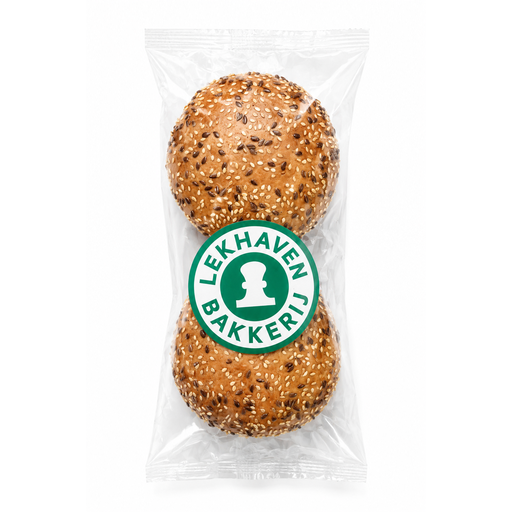 Image unavailable
Lekhaven Bakkerij Brioche Hamburger Buns 2 x 50 g
An option if you’d like to serve small brioche buns at brunch instead of a whole loaf.
The pack contains two 50 g burger buns. Check that their shape, ingredients and any defrosting instructions suit your breakfast plans.
View at Joybuy
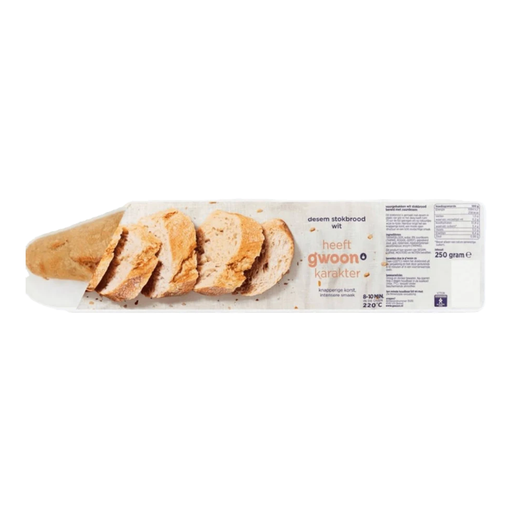 Image unavailable
G'woon White Rustic Baguette 250 g
A white baguette for serving sweet toppings on a loaf rather than on brioche burger buns.
The baguette weighs 250 g. Check the packaging for preparation instructions and read the label if ingredients or allergens matter to you.
View at Joybuy
Frequently asked questions
Does bread in the Netherlands always contain iodised baker’s salt?
No. According to the Voedingscentrum, using baker’s salt isn’t compulsory. Check the ingredients of the bread you buy, or ask which salt has been used if you’re buying unpackaged bread.
Is brioche suitable for everyday breakfast?
Brioche can work for breakfast if you’re deliberately choosing a soft, sweet bread, but nutritional values vary by product. The Voedingscentrum gives the average sugar content of a 50 g portion of brioche as 12.5 g and recommends replacing white bread with wholemeal or brown bread as much as possible. Check the nutritional information on the packaging to make the right choice for you.
Which allergens should I check in brioche or white sourdough?
Always read the label for the specific product. The product information for AH Brioche lists egg, milk, rye and wheat, among other ingredients; PLUS lists wheat and rye for Korenlanders Desem Wit. Don’t assume those examples are the ingredients in a different loaf.


