
Vandaag of morgen in huis

Kwaliteit gegarandeerd

Welkomstaanbiedingen ontgrendelen: GRATIS bezorging | Tot 80% korting | Gratis 30 dagen JoyPlus-proefperiode
Download de app
A good sweet and sour sauce can make or break a dish. Whether you're whipping up a quick stir-fry, dipping spring rolls, or marinating chicken, the right balance of sweet and sour is crucial. But the supermarket aisle is packed with bottles that all seem to promise the same thing. How do you avoid making a bad choice? Many sauces are little more than colored sugar water, while others are completely unsuitable for the dish you have in mind.
As a Joybuy Product Recommendation Officer, I'll help you cut through the marketing jargon and focus on what really matters. We'll dive into the most common pitfalls and give you practical advice to find the sauce that matches your taste and cooking style.
Before you put a bottle in your basket, it's wise to be aware of a few common deceptions.
You don't need to study labels like a scientist to make the right choice. Pay attention to the following three points, and you'll almost always get it right.
The order of ingredients is everything. The most prevalent ingredient is listed first.
The consistency of the sauce is tailored to its use.
The origin of the sauce determines its taste. A Thai chili sauce often balances sweet, sour, salty, and spicy, with garlic and chili as its base. A Chinese sweet and sour sauce more commonly relies on a base of vinegar, sugar, and sometimes ketchup or plums. Western variants, such as those with peach or pineapple, are often sweeter and less complex in flavor.
Below is a selection of products, matched to specific user profiles. These aren't "winners," but practical choices for different home cooks.
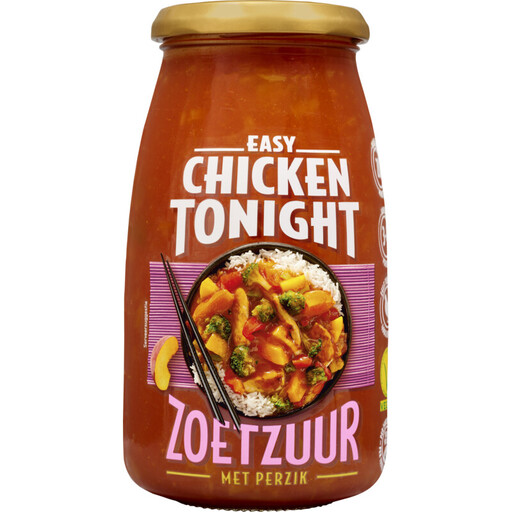
Why This Fits Their Persona: Ideal for those who want to put a complete and flavorful meal on the table quickly after a long day. No fussing with separate ingredients; just add chicken and vegetables, and you're done.
This sauce doesn't pretend to be a universal sauce. It's clearly a sweet and sour stir-fry sauce, complete with pieces of peach and bell pepper. You know exactly what you're getting: a meal solution.
Speed and convenience. The sauce already contains vegetables and fruit (21% peach), which provides a rich flavor and texture without extra prep work.
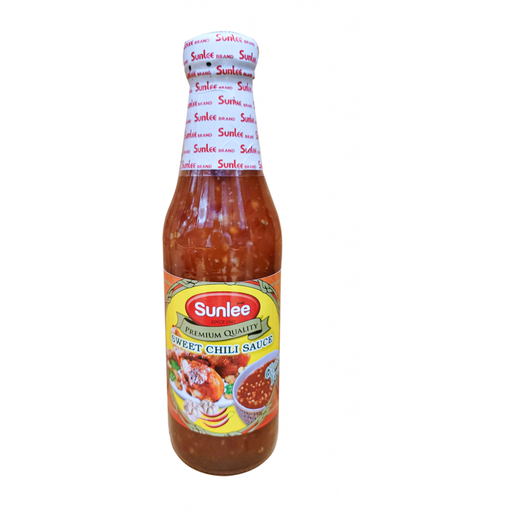
Why This Fits Their Persona: For the home cook looking for a reliable sweet chili sauce for appetizers, as a sauce for chicken, or with spring rolls. A classic that always comes in handy.
This is a no-nonsense Thai chili sauce. The ingredients list is short and clear: sugar, water, red chili, vinegar, garlic. It avoids the "jack-of-all-trades" pitfall by positioning itself as a classic dipping sauce.
A balanced profile of sweet and mildly spicy. The thickness is ideal for dipping, and the flavor isn't overpowering, making it widely applicable.
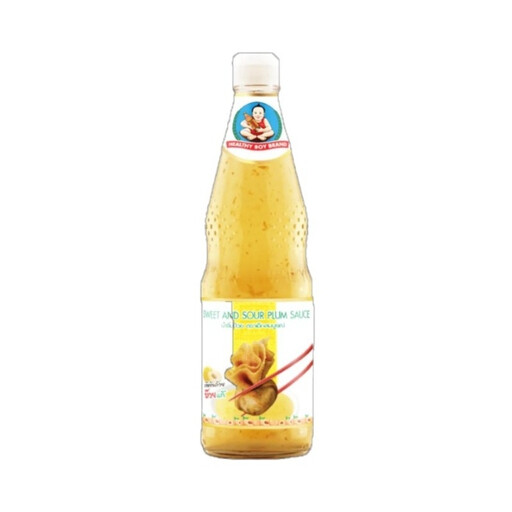
Why This Fits Their Persona: For those seeking the classic, fruity flavor of Chinese plum sauce. Perfect as a dipping sauce with duck, spring rolls, or other fried dishes for an authentic restaurant experience at home.
This sauce avoids the "sugar bomb" trap by using a significant percentage of real fruit. With 15% plum as one of its main ingredients, it offers a deep, fruity flavor instead of just sweetness.
The authentic, rich flavor of real plums. The large 880-gram bottle also offers excellent value for money for regular use.
We have compiled a complete, up-to-date list of products that fully meet these strict selection criteria and local regulations.
Although both sauces have a sweet and sour base, the main difference is the addition of chili peppers. Sweet chili sauce is by definition a spicy variant, where the flavor is determined by the balance of sugar, vinegar, and chili. A classic sweet and sour sauce (like in Chinese restaurants) is usually not spicy and gets its flavor from ingredients like tomato, pineapple, or plum.
Most sweet and sour sauces can be kept in the refrigerator for several weeks to months after opening. The high concentration of sugar and vinegar acts as a natural preservative. Always check the label for specific storage instructions, but a good rule of thumb is to use the sauce within 2-3 months for the best flavor and quality.
It's not ideal. A thick dipping sauce can burn in a hot wok or may not mix well with the other ingredients. A special sweet and sour stir-fry sauce is more liquid and often designed to thicken upon heating, which yields a better result. If you only have a dipping sauce, you can dilute it with a little water or broth before adding it to the wok.
