
Vandaag of morgen in huis

Kwaliteit gegarandeerd

Welkomstaanbiedingen ontgrendelen: GRATIS bezorging | Tot 80% korting | Gratis 30 dagen JoyPlus-proefperiode
Download de app
A sweatshirt or hoodie may seem like a simple purchase. However, there can be a big difference between a comfortable everyday garment and a disappointing buy. A style may look comfortable in photos but turn out to be too warm, too thin, too loose or difficult to care for in practice.
When comparing sweatshirts and hoodies, shoppers in the Netherlands mainly focus on three things: material, fit and when they will wear it. Marketing copy often uses general terms such as “extra soft”, “warm” or “durable” without clearly explaining the relevant details. That is why it is better to compare the product specifications with the care label.
A “fleece sweatshirt” is not automatically suitable for cold winter days. Warmth depends on factors including the thickness, inner side and the way the fabric is knitted. A style with a fleece lining generally feels different from a thin cotton jumper.
So look for specific details such as the material composition, any lining and the weight in grams per square metre. For example, Urban Classics lists a sweat fabric of 330 g/m² for the Fluffy Hoody. This gives you more useful information than simply calling it “fluffy”.
A men’s sweatshirt in size M may fit differently depending on the brand and style. EU, UK and US sizes can also vary between a women’s sweatshirt and a children’s jumper. With a relaxed fit or dropped shoulders in particular, the shoulder width is more important than the letter size alone.
If possible, measure a well-fitting garment laid flat and compare the chest width with the product information. For children, check their height, chest and waist measurements as well as their age. This helps prevent a hoodie becoming too tight after just a few weeks or being awkwardly oversized from the start.
A proportion of organic cotton or recycled polyester tells you something about the fibre composition, but it does not automatically indicate the garment’s lifespan, production conditions or total environmental impact. According to the product information, the Tommy Hilfiger ESSENTIAL SWEATSHIRT Kids is made from organic cotton, for example. adidas styles list 30% recycled polyester.
Use these details as a point of comparison, rather than as a general guarantee about the sustainability of the entire garment. Also check the care instructions, as incorrect washing can affect the shape, colour and softness more quickly.
Cotton often feels soft and breathable, making it well suited to casual leisurewear. A cotton sweatshirt is suitable for indoors, school, travel and milder days. A style made from 100% organic cotton, such as certain Tommy Hilfiger children’s jumpers, may be appealing if you pay close attention to fibre composition.
A cotton-polyester blend often dries more quickly and may retain its shape better. According to the product description, the U.S. Polo Assn. fleece hoodie is made from 60% cotton and 40% polyester and has a thick fleece inner side. This makes it particularly suitable for cooler days. The U.S. Polo Assn. crew-neck sweatshirt with 95% cotton and 5% viscose is a lighter option for everyday wear.
A regular fit usually sits between snug and loose. This is practical if you want to wear a sweatshirt under a coat. A relaxed fit provides more room and can feel more comfortable at home, during leisure time or when layering clothes.
Also look out for details that affect the fit:
The purchase price is not the only financial consideration. A garment that can only be washed at a low temperature or cannot go in the tumble dryer requires more care. Always follow the label, as product information may vary by colour, production batch or version.
The U.S. Polo Assn. fleece hoodie’s care instructions include washing at a maximum of 30 °C, do not bleach, do not dry-clean and do not tumble-dry. According to the product information, adidas recommends a gentle cycle, a low drying temperature and washing the garment inside out. Wash dark colours separately and do not iron directly over a logo or motif.
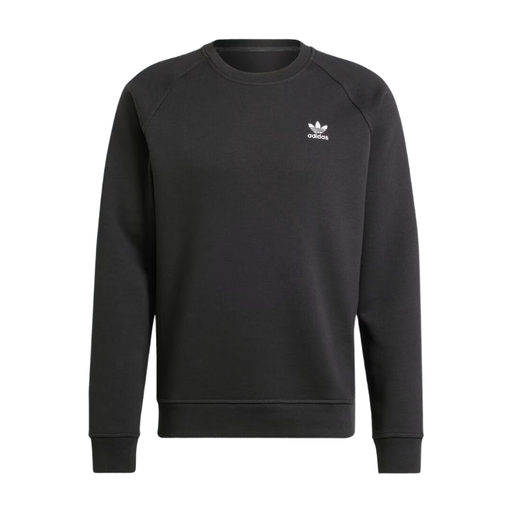
Why it suits this profile: A crew neck and regular fit make this style easy to pair with jeans, joggers or a coat.
The composition is clearly stated: 70% cotton and 30% recycled polyester. This means you do not have to rely solely on general fleece claims.
Fleece construction, ribbed trims and an embroidered Trefoil logo; suitable for layering or wearing on its own.
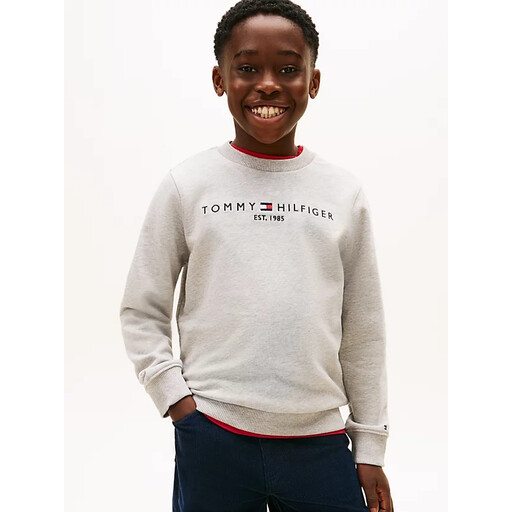
Why it suits this profile: Parents who value a simple cut and the stated fibre composition get a versatile children’s jumper for school and weekends.
The sizing includes age and body measurements. This helps you avoid choosing based solely on age or brand name.
100% organic cotton according to the product information; crew neck and ribbed trims.

Why it suits this profile: The fleece inner side, hood and kangaroo pocket are well suited to everyday outdoor wear and layering.
The warmth claim is supported by the stated thick fleece lining and a composition of 60% cotton and 40% polyester.
Adjustable hood, snug cuffs and a practical kangaroo pocket.
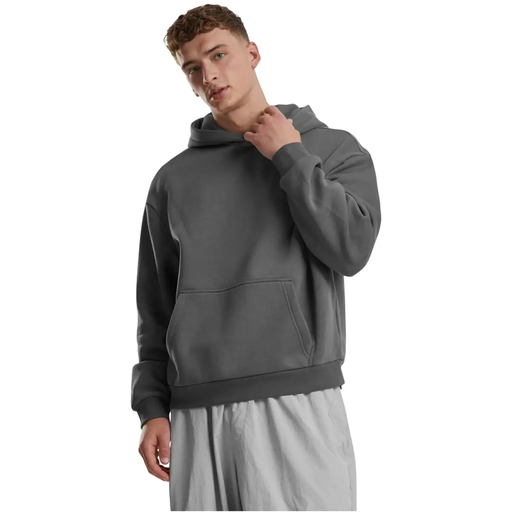
Why it suits this profile: This style combines a roomy hoodie fit with clear fabric information for casual leisurewear and streetwear.
The product information lists both 330 g/m² and 70% cotton and 30% polyester. This makes it easier to assess the thickness.
Roomier fit, ribbed cuffs and care advice for cold washing.
We have put together a complete, up-to-date list of products that fully meet these strict selection criteria and the applicable European safety regulations.
This mainly depends on the fabric thickness and inner side. A hoodie provides extra coverage for your neck and head, but a thin hoodie is not necessarily warmer than a thick fleece sweatshirt. Check the material composition, lining and any information about the weight in grams per square metre.
Compare your chest measurement, shoulder width and sleeve length with the size chart for the specific style. Also consider the fit. With a regular fit, choose your usual size if you plan to wear a normal layer underneath; for a looser look, you may prefer one size larger, but always check the measurements.
Its lifespan depends on the fabric, seams, how often it is worn and how it is cared for. Wash it according to the label, use a mild detergent, turn printed garments inside out and limit high drying temperatures. This will help the colour, shape and trims last longer.
