
Vandaag of morgen in huis

Kwaliteit gegarandeerd

Welkomstaanbiedingen ontgrendelen: GRATIS bezorging | Tot 80% korting | Gratis 30 dagen JoyPlus-proefperiode
Download de app
A more sustainable home often starts with small choices: switching to a different laundry detergent, using fewer disposable wipes, choosing an energy-efficient washing machine or buying clothes made from recycled fibres. Even so, it is not always easy to determine which claims are genuinely relevant. A product with a green label is not automatically the best choice for your household.
So focus above all on verifiable information: materials, contents, consumption, maintenance and lifespan. This helps you avoid paying extra for a promise that makes little practical difference.
‘Eco’, ‘natural’ and ‘sustainable’ can mean different things. Check exactly what is meant. Does it refer to the packaging, ingredients, energy consumption or the origin of the material? With laundry detergent, for example, the number of washes per pack is at least as important as the material used for the bottle.
A small pack may look like good value, but it can work out more expensive per wash or use. So compare the price per wash, the number of wipes or the total lifespan. With a washing machine, energy and water consumption also count.
Brands may promote benefits such as lower energy consumption, enhanced cleaning or a reduced environmental impact. Based on the brand’s own research or the product description, a manufacturer may, for example, state a particular percentage of energy savings or stain removal. Treat this as product information, not a universal guarantee. The result depends on the programme, load, dosage and conditions of use.
For baby wipes designed for sensitive skin, fragrances, ingredients and materials are important points to check. According to the product information, Bc Babycare wipes are fragrance-free, made with 99% purified water and OEKO-TEX certified. The manufacturer also states that they contain plant fibres and no plastic. This does not mean that every skin type will react in the same way: stop using the product if irritation occurs and follow the warnings on the packaging.
For clothing, you can check the fibre composition and care label. A hoodie made from recycled polyester and recycled cotton, or sustainable underwear made from a modal blend, may be worth considering if the garment suits how you plan to use it and you care for it according to the instructions. You can also browse the range of eco clothing.
When comparing laundry detergents, do not just compare liquid detergent with eco detergent. Look at:
For black clothing, a specialist detergent for dark clothes is a targeted choice. For wool and silk, detergent for wool and delicates is more suitable than an all-purpose product. Laundry detergent sheets take up little space and are convenient when travelling, but check the dosage for a full or heavily soiled load. Use them according to the instructions; GrePower product information, for example, states that one sheet is suitable for a standard load and two for larger or heavily soiled loads.
For a washing machine, the energy label, kWh per 100 cycles, water consumption per cycle, capacity and noise level are practical points of comparison. An energy-efficient washing machine with a large drum is not automatically suitable for a small household. An oversized machine may mean that you often wash with a half-full drum.
Also pay attention to the dimensions. Many models are approximately 60 cm wide and 85 cm high, but the depth varies. Check whether the door can open fully, whether the connections are accessible and whether the transit bolts can be removed before use.
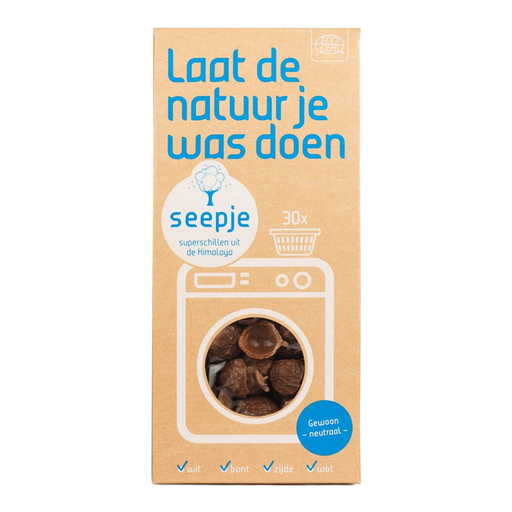
Why it suits this profile: A compact choice for households looking for a simple detergent for different temperatures and fabrics.
The product information states that it provides 30 washes, contains 100% ingredients of natural origin and comes with a cotton laundry bag. However, check the dosage and how many times the product can be reused.
According to the product description, it is suitable for wool, silk and baby clothes; the shells can be used three times according to the instructions.
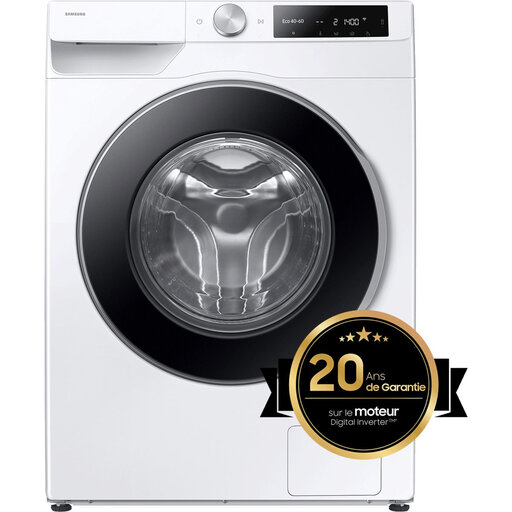
Why it suits this profile: For households that value energy data, automatic programmes and a 9 kg capacity.
You can compare the stated figures directly: 44 kWh per 100 cycles, 50 litres of water per cycle and a noise level of 72 dB according to the product specifications.
A 9 kg capacity, 1400 revolutions per minute, an A energy rating and Wi-Fi with SmartThings, according to the product information.
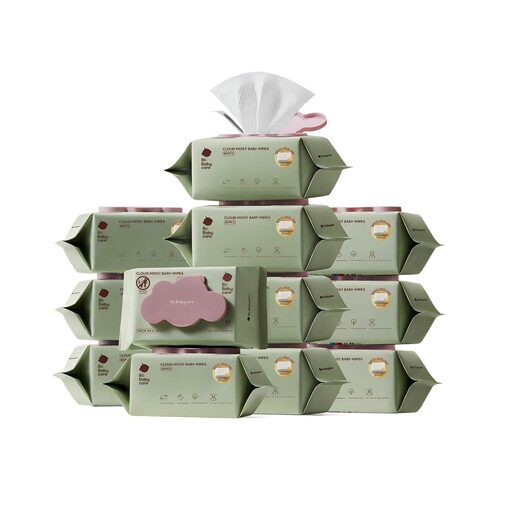
Why it suits this profile: Convenient for families with babies looking for fragrance-free wet wipes for external use.
The specifications state that the wipes are fragrance-free, contain 99% purified water and are OEKO-TEX certified. They are not reusable and must not be flushed down the toilet.
960 wipes per pack and a cellulose base without plastic, according to the product description. Close the pack securely to help prevent the wipes from drying out.
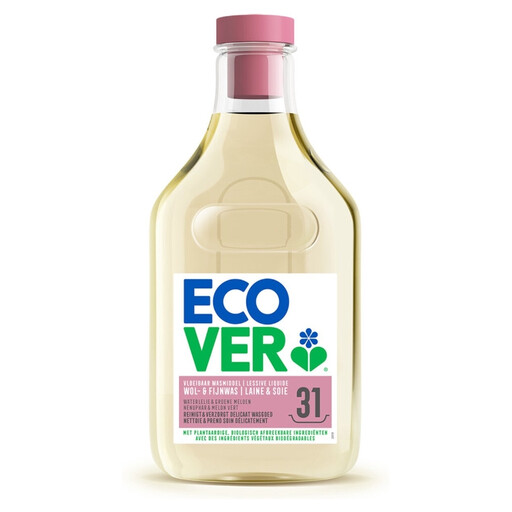
Why it suits this profile: Designed for anyone who wants to wash wool, silk and other delicate clothing with a specialist detergent.
The product information states a dosage for each level of water hardness and a maximum temperature of 30–40 °C. Always check the care label first and avoid using too much detergent.
1.43 litres for 31 washes; the manufacturer states that the bottle and cap contain recycled plastic and that the ingredients are plant-based.
We have put together a complete, up-to-date list of products that fully meet these strict selection criteria and the applicable European safety regulations.
These are products where one or more features are designed to reduce consumption, use less packaging, provide a longer lifespan or use materials from a different source. Always look at the full product information. A product may be more sustainable in one respect but less suitable in another.
No. ‘Eco’ does not automatically mean that a product is fragrance-free or suitable for every sensitive skin type. Check the ingredients, fragrances and warnings. If in doubt, try it with a small load first and stop using it if skin irritation occurs.
Multiply the energy consumption per 100 cycles by your electricity tariff and divide by 100. You can then add water and detergent costs if applicable. Compare models under the same conditions, as the programme, temperature, load and frequency of use all affect the actual costs.
