
Vandaag of morgen in huis

Kwaliteit gegarandeerd

Welkomstaanbiedingen ontgrendelen: GRATIS bezorging | Tot 80% korting | Gratis 30 dagen JoyPlus-proefperiode
Download de app
Choosing a sustainable detergent can feel like navigating a maze of marketing claims. Terms like "green," "eco," and "better for the planet" are everywhere, but what do they really mean? Many consumers unwittingly fall into traps that are not only a waste of money but also fail to deliver on their sustainable promise.
As a Product Recommendation Officer at Joybuy, I see where things go wrong every day. These are the two most common pitfalls:
This guide will help you cut through the marketing jargon and make a choice that aligns with your values and delivers clean laundry.
To avoid buyer's remorse, it's crucial to look beyond the front of the bottle. Pay attention to the following three concrete specifications on the label.
A biodegradable detergent is a good first step, but the degree of biodegradability is crucial. Look for products that clearly specify what percentage of the ingredients is biodegradable. A claim like "at least 95% biodegradable" indicates that the majority of the formula can be broken down by microorganisms into natural substances, significantly reducing the impact on aquatic life. Products without a percentage offer less certainty.
The ingredients list reveals a detergent's true nature. Two factors are vital for making a sustainable choice:
Furthermore, a vegan detergent is a good indicator of ethical production, as it guarantees that no animal-derived ingredients or by-products were used.
A sustainable product deserves sustainable packaging. A bottle made from 100% recycled plastic reduces the demand for new plastic and shrinks landfill waste. Check if the packaging is not only made from recycled material but is also fully recyclable itself. This ensures the materials stay in the loop.
Not everyone has the same laundry needs. That's why we've highlighted a few popular choices that suit different households, based on their product specifications.
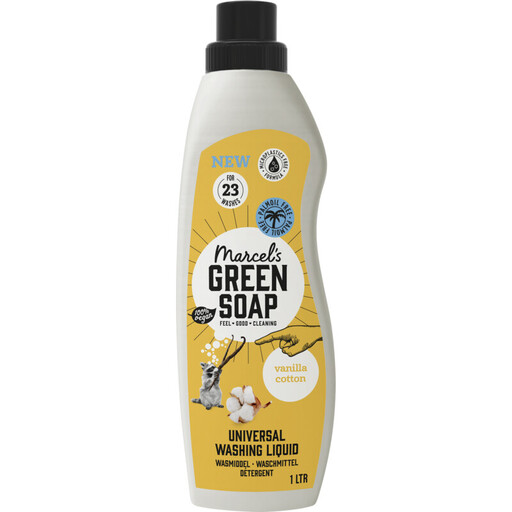
Why This Fits Their Persona: For those who want to make zero compromises. This detergent is designed for the consumer who seeks sustainability in every aspect of the product, from ingredients to packaging.
This product sidesteps the hidden ingredients trap. The label explicitly states it is a palm oil-free and microplastic-free detergent.
Fully vegan, at least 95% biodegradable, and packaged in 100% recycled plastic. One of the most complete sustainable options on the market.
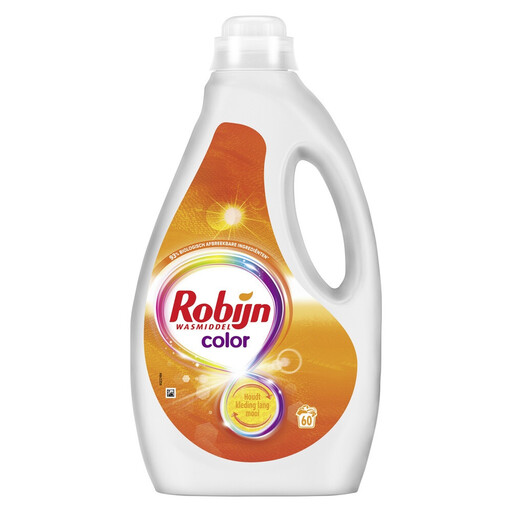
Why This Fits Their Persona: Ideal for families who do a lot of laundry and need a practical, affordable option that is still a conscious choice. Suitable for colours.
This product avoids vague claims by stating a concrete percentage: the formula contains 93% biodegradable ingredients. Furthermore, the bottle is made of 100% recyclable plastic.
The large 3-litre bottle is good for 60 washes, making it a cost-effective choice. The formula is specially developed for colour protection.
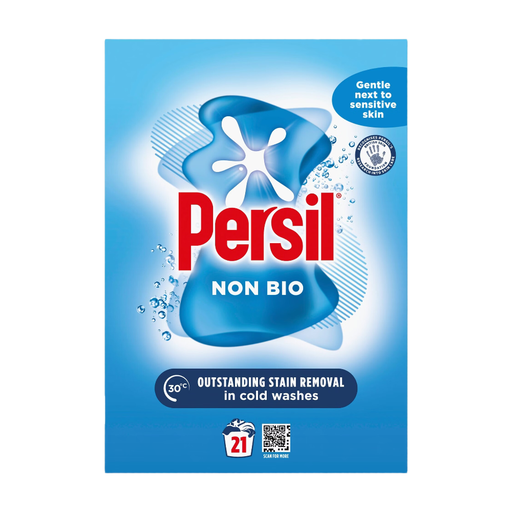
Why This Fits Their Persona: For those with sensitive skin who need a detergent that is gentle on the skin yet still effectively removes stains.
This detergent replaces vague "gentle on skin" claims with a verifiable standard. It is dermatologically tested, and its skincare research is recognised by the British Skin Foundation.
Proven to be gentle on sensitive skin and effective against stains, even in low-temperature washes. The packaging is recyclable.
We have compiled a complete, up-to-date list of products that meet these strict selection criteria and local regulations.
Yes, modern eco-friendly detergent formulations are highly effective. Brands like Marcel's Green Soap, for example, use plant-based soaps and enzymes that powerfully tackle stains, even at lower temperatures. Effectiveness depends on the specific formula, so it pays to choose brands that substantiate their claims.
It means that the detergent's ingredients can be broken down by natural processes (like bacteria and fungi) into basic substances such as water, CO2, and minerals. This reduces the burden on aquatic life. Pay attention to the percentage: a higher percentage means a faster and more complete breakdown.
The most reliable way is to look for explicit claims on the packaging, such as "palm oil-free" or "free from microplastics." If a brand doesn't make these claims, you can check the ingredients list. Palm oil can be listed under many different names (like Palmitate or Glyceryl Stearate). Microplastics are often indicated by terms like Polyethylene (PE), Polypropylene (PP), or Nylon. Choosing a brand that is transparent about this saves you the legwork.
