
Vandaag of morgen in huis

Kwaliteit gegarandeerd

Welkomstaanbiedingen ontgrendelen: GRATIS bezorging | Tot 80% korting | Gratis 30 dagen JoyPlus-proefperiode
Download de app
Anyone looking for sustainable clothing is soon confronted with terms such as “eco”, “green” and “recycled”. On their own, these words do not tell you enough. For example, a garment may be partly made from recycled fibres, but still be difficult to care for or unsuitable for the way you plan to use it.
With this guide, you can compare materials, fit, care requirements and functionality before ordering. That way, you can find clothing suited to everyday wear, sport, work or outdoor activities.
Pay attention to the proportion of recycled material. A sweatshirt with 30% recycled polyester is different from a jacket with an outer layer made from 100% recycled polyester. Also check whether the recycled material is used in the main fabrics, the lining or only a small component.
With clothing made from recycled materials, the source is sometimes clearly specified, such as recycled plastic bottles, old textiles or production waste. When a brand claims environmental savings or other benefits, you should treat this as a brand claim. According to information provided by the relevant manufacturer, recycled fibres may help to reduce the material impact, but this is no guarantee of the product’s overall environmental impact.
A comfortable hoodie for relaxing at home is not automatically suitable for cycling in the rain. Conversely, a technical jacket may be too warm or too elaborate for everyday commuting. So, first consider how you intend to use it:
A garment that can only be hand-washed requires more attention than an item that can go in the washing machine. Washing at too high a temperature, using bleach and choosing the wrong drying method can damage the shape, colour and special finishes. Always follow the physical care label, as it may differ from an online product description.
Check the exact percentage of cotton, polyester, nylon or elastane. Clothing made from recycled polyester can be lightweight, retain its shape and be suitable for sport or outdoor use. Cotton often feels soft, while elastane provides stretch.
The Tommy Hilfiger hoodies are stated to contain independently certified recycled polyester and recycled cotton. This is verifiable information from the product description. For REPREVE fibres, Calvin Klein states that the fibres come from recycled plastic bottles. According to the brand’s product information, this helps to reduce the amount of virgin material used; you should also assess the fit and care requirements.
Choosing the wrong size can lead to more returns and reduced comfort. Compare your chest, waist or hip measurements with the size chart for the specific model. Also consider the cut:
Size charts vary from one brand to another. For example, an adidas sweatshirt in size S has different stated measurements from a Tommy Hilfiger hoodie in XXL.
For a waterproof outdoor jacket, terms such as sealed seams, a waterproof membrane and a water-repellent coating are relevant. According to the product description, The North Face NF0A8DY2 is made with DryVent material, sealed seams and a Non-PFC DWR finish. The outer layer is stated in the same information to consist of 100% recycled polyester.
This does not mean that the jacket will keep you completely dry in all conditions. Check the care instructions and bear in mind that the DWR finish can wear over time. For changeable weather, a 3-in-1 model may be more practical. According to the product details, The North Face NF0A84FC combines an outer layer with a removable down layer, allowing you to wear the layers separately or together.
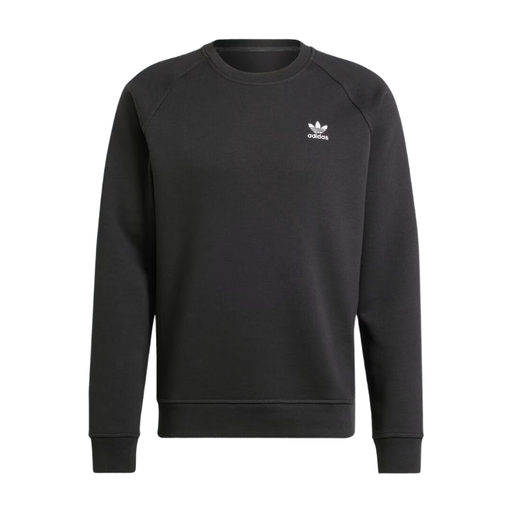
Why it suits this profile: This sweatshirt is designed for everyday wear and combines a regular fit with fleece. It is therefore suitable as a standalone layer or as a base layer under a jacket.
The composition is clearly stated: 70% cotton and 30% recycled polyester. You do not have to rely solely on a general sustainability claim.
Fleece, ribbed cuffs, an embroidered Trefoil logo and machine washing on a delicate cycle according to the product information.
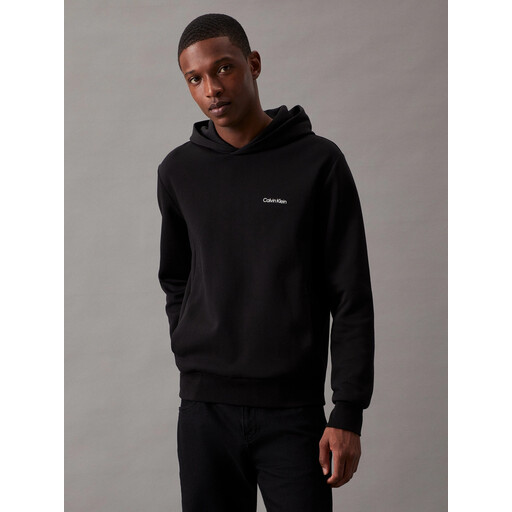
Why it suits this profile: The understated micro-logo style works well with casual outfits, working from home and layering. The generous 3XL size is suitable for shoppers specifically looking for it.
The product description mentions REPREVE recycled polyester fibres and cotton. It also specifies machine washing and not tumble drying.
A soft, breathable material blend according to the product details, a subtle logo and a design suitable for wearing on its own or as a layer.

Why it suits this profile: For running, training and walking in changeable British weather, protection, pockets and a hood matter more than a fashionable appearance alone.
The product details mention 100% recycled polyester, sealed seams and a Non-PFC DWR finish. However, check the label and care for the finish according to the instructions.
DryVent material according to the manufacturer, a hood, zipped pockets and a standard fit. Available in several sizes within the product range.
We have put together a complete, up-to-date list of products that fully meet these strict selection criteria and the applicable European safety requirements.
For sustainable women’s clothing, fit and care are at least as important as the material. According to the product information, the Calvin Klein thong styles consist of 80% recycled nylon and 20% elastane, with cotton at the front. For underwear, check the size and washing instructions carefully.
A seamless shaping dress from Feelingirl uses seamless knitting technology, stretch fabric and light shaping compression according to the product description. This is not medical support. As hand-washing and flat drying are required, this style is particularly suitable if you are prepared to take extra care with maintenance.
Recycled polyester can reduce the use of virgin polyester, but the overall impact also depends on production, transport, lifespan and washing. So, check the percentage, any certification and the intended use.
This varies depending on the fabric, construction, use and care. Wash at the recommended temperature, do not use bleach where it is prohibited and avoid tumble drying if the label advises against it. A good fit can also help prevent unnecessary wear.
Not always. The price depends on the brand, material, technology and finish. Do not compare only the purchase price; also consider versatility, care requirements and how often you expect to wear the garment. An item that is used frequently may be more cost-effective in practice than a cheap item that is rarely worn.
