Vandaag of morgen in huis

Kwaliteit gegarandeerd

Welkomstaanbiedingen ontgrendelen: GRATIS bezorging | Tot 80% korting | Gratis 30 dagen JoyPlus-proefperiode
Download de app
In Dutch cuisine, where functionality and simplicity often reign supreme, there is a growing appreciation for rituals that bring a sense of calm. Preparing a meal becomes more than a necessity; it is a moment of mindfulness. We see this reflected in the meticulous preparation of coffee, the baking of bread, and, increasingly, in the art of cooking perfect rice. The ritual of washing the grains, measuring the water, and patiently waiting for the steam to work its magic is an exercise in precision and tranquility. It is an act that connects us to an age-old tradition and lays the foundation for a pure, nourishing meal.
The foundation of good sushi is not the fish, but the rice, or shari (しゃり). This is the philosophy that every sushi master subscribes to. The choice of the right Japanese rice is therefore essential. What we commonly call sushi rice is a specific type of short-grain rice. These grains are rounder and plumper than their long-grain counterparts. Their secret lies in their chemical composition: a high content of amylopectin, a type of starch that creates a soft, slightly sticky texture when heated. This glutinous quality is crucial. The grains must adhere to each other without becoming mushy, forming a firm yet airy base for nigiri or a maki roll.
The preparation is a process that deserves as much attention as the selection. It begins with washing the rice. This is not done to clean the rice, but to remove the excess starch from the exterior. The grains are gently rinsed with cold water until the water runs clear. This is followed by a resting period, during which the rice is allowed to soak. This ensures that each grain absorbs water evenly, resulting in a consistently cooked final product. Only after cooking and a brief steaming period is the rice seasoned with a mixture of rice vinegar, sugar, and salt. This process transforms the simple rice into the complex, flavourful base we know as sushi rice. Incidentally, the same rice is the perfect foundation for onigiri rice or a nutritious poke bowl.
The choice of a specific rice depends on its application and frequency of use. For those beginning to explore Japanese cuisine, a smaller package like the Obento Sushi Rice 500 G. offers an approachable entry point. It allows you to familiarise yourself with the process without immediately committing to a large supply. For the home cook seeking a refined taste and texture, there are cultivars like Yumenishiki. The NISHIKI Yume Nishiki Super Premium Short Grain Rice 1kg is a popular choice, known for its lustre and balance. Those who prefer a more nutritious, nutty-flavoured variant might consider the YUMENISHIKI Yume Nishiki Super Premium Brown Rice 1kg, which adds an interesting texture to dishes.
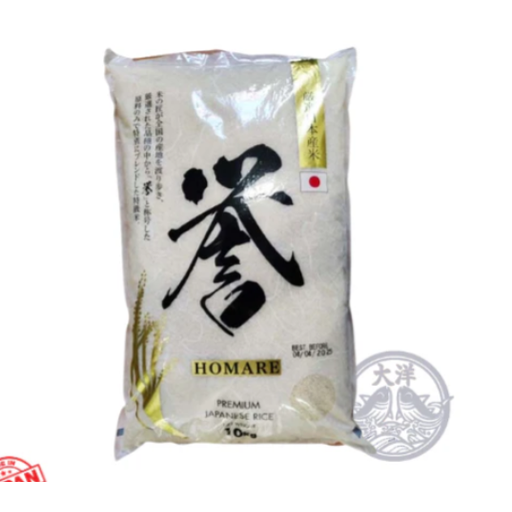
For the serious home cook or the professional kitchen where consistency and volume are key, bulk rice is a logical step. A five- or ten-kilogram bag not only guarantees a constant supply but also uniform quality. Brands like Kobasuki offer reliable options, such as the Kobasuki Sushi Rice 5 kg, which provides a solid foundation for various preparations. For larger volumes, there are varieties like the Premium Japanese Rice Homare - 10 kg. According to the manufacturer, this rice has a high amylopectin content, which ensures a glossy, soft grain with a natural sweetness. Another popular choice in this segment is the Tanbo Premium Japanese Sushi Rice 10kg, which offers a dependable canvas for both sushi and other Japanese dishes. Buying sushi rice in bulk is a conscious choice for those who see Japanese cuisine as an integral part of their culinary routine.
For those who wish to explore the world of authentic grains further, the complete Japanese Rice collection offers further inspiration.