
Livraison le jour même et le lendemain

Qualité garantie

Débloquez vos offres de bienvenue: Livraison GRATUITE | Jusqu'à -80 % | 30 jours d'essai gratuits à JoyPlus
Téléchargez l'application
Making sushi at home seems simple, until the rice falls apart, becomes too wet or barely sticks together. The cause often lies not in the filling or the rolling, but in your choice of sushi rice. If you only look at the packaging or the word “premium”, you could end up paying too much for a product that is not right for the job.
This buying guide helps home chefs, families, hobby cooks, restaurants and caterers compare Japanese sushi rice objectively. We focus particularly on the type of rice, packaging, origin, preparation method and ease of storage.
Sushi rice is usually round-grain rice or short-grain rice with enough starch to stick together after cooking. However, products sold under the same name can differ in texture, origin and cooking results. Always check the ingredients list. A clear description such as 100% Japonica rice, “short grain rice” or “round grain rice” gives you more information than a prominent marketing term.
Japanese sushi rice does not automatically mean that the rice comes from Japan. Some products use Japanese rice varieties grown in Vietnam, Portugal, Cambodia or other countries. That is not necessarily a problem, but it is an important point of comparison.
For example, Hanako’s product information lists Vietnam as the origin, while Asahi no Yume comes from Tochigi, Japan. Taiyori lists Vietnam as its origin, while ROYAL TIGER Sushi Rice comes from Portugal. So look at the country of origin, not just the name.
A 10 kg, 20 kg or even 5 kg pack may seem more economical per kilo, but rice takes up storage space and needs to be kept dry and well sealed. For a family that only makes sushi occasionally, 500 g or 1 kg of sushi rice is often more practical. Restaurants, caterers and frequent users may benefit from 5 kg, 10 kg or 20 kg packs instead.
Also look out for inconsistent product information. Some offers may list different weights in the title and description. Always check the net weight on the product page and packaging before buying.
The most important technical characteristic is the grain. Short-grain rice, round-grain rice and Japonica rice generally contain more starch than long-grain rice. This means they hold together better after cooking without necessarily becoming sticky or mushy.
For sushi, nigiri and maki, look for rice that:
For rice used in onigiri, the ability to hold its shape is particularly important. Rice served in poke bowls can have a slightly looser texture, depending on your preference.
The water ratio varies by brand, pan and rice cooker. Many product descriptions recommend approximately 1 part rice to 1.1 to 1.2 parts water. Taiyori, for example, recommends 1 cup of rice to 1.2 cups of water. Hanako gives a ratio of approximately 1:1.1 to 1:1.2.
Use this ratio as a starting point, but follow the instructions on the packaging wherever possible. Usually, rinse the rice two or three times until the water becomes clearer. Leave the rice to rest, covered, for around 10 to 15 minutes after cooking. This helps distribute the moisture evenly throughout the grains.
A small bag is ideal if you want to try a brand or type of rice before committing to a larger quantity. A 1 kg pack of sushi rice suits smaller households and regular home cooks. For larger quantities, 5 kg and 10 kg are common choices. A 20 kg bag makes most sense for professional kitchens, catering or very frequent use.
Store unopened and opened rice in a cool, dry place, away from moisture, heat and direct sunlight. Seal the packaging securely after opening. If you have allergies, always check the current ingredients and allergen information on the packaging, as product details may change.
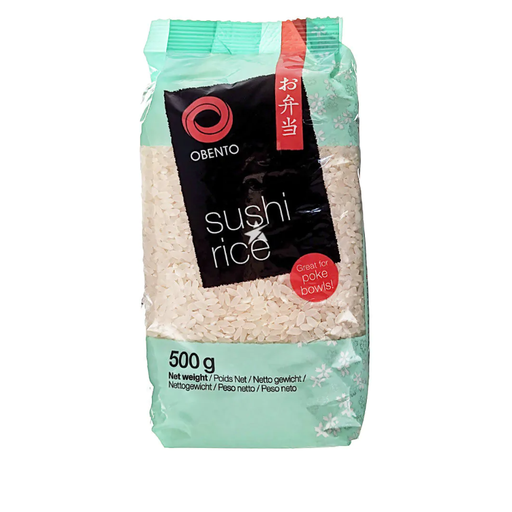
Why it suits this profile: The small pack helps reduce waste while you are still working out how much rice you need for homemade sushi, onigiri or a poke bowl.
The product description states that it is made from 100% round-grain rice and has a net weight of 500 g. This makes the type of rice easier to assess than packaging featuring only a general sushi-related name.
A small quantity, round-grain rice according to the product information, and suitable for sushi, rice balls and poke bowls.
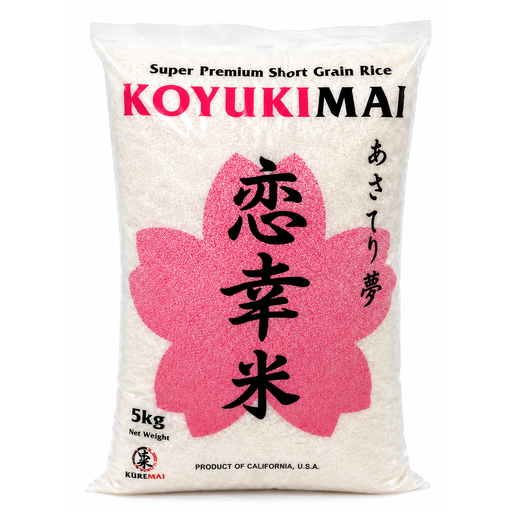
Why it suits this profile: If origin matters to you, you can choose a product whose description lists Tochigi, Japan as its origin.
The origin and net weight are clearly stated in the product information. According to the product description, the rice is suitable for sushi, onigiri and bento.
Origin: Japan according to the product listing, 5 kg of rice, and suitable for both cold and hot rice dishes.
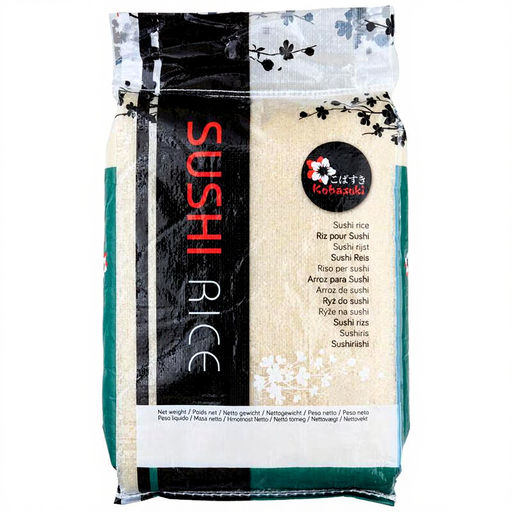
Why it suits this profile: The bulk pack is aimed at restaurants, caterers and users who regularly prepare sushi or Japanese rice dishes.
The product page states that the pack contains 20 kg and describes it as suitable for sushi rolls, nigiri and other Japanese dishes. Make sure you have enough storage space before ordering.
A 20 kg bulk pack according to the product name, aimed at professional use, with a product description that mentions a sticky texture.
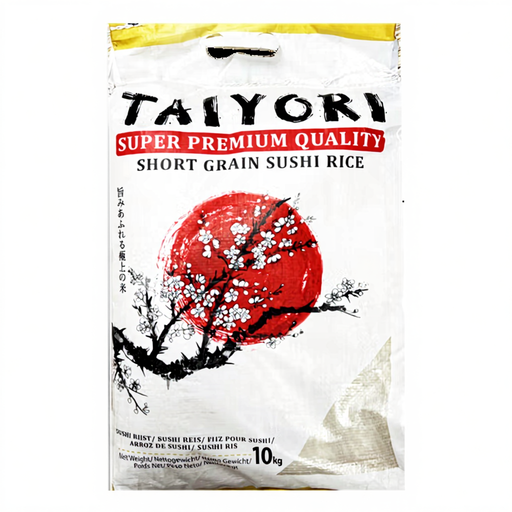
Why it suits this profile: The 10 kg pack is suitable for households or kitchens that prepare rice several times a month and do not want to keep ordering a small bag.
The product information gives both a ratio of 1 cup of rice to 1.2 cups of water and a cooking time of approximately 15 minutes. This makes it easier to get started in a controlled way.
10 kg of rice, preparation guidance and, according to the product description, a balance between firmness and stickiness.
We have compiled a complete, up-to-date list of products that fully meet these strict selection criteria and the applicable European safety regulations.
Use this basic approach, then adjust the water ratio to suit your rice cooker or pan:
Use a wooden or plastic spatula and loosen the rice with slicing movements. This helps preserve its texture.
Generally, choose short-grain rice, round-grain rice or Japonica rice. These varieties can become sticky enough after cooking to shape sushi, nigiri and onigiri. Long-grain rice usually has a looser texture, making it less suitable for rolling.
For a small meal or a first attempt, 500 g to 1 kg is often enough. Families that regularly make sushi may want to consider 5 kg or 10 kg of sushi rice. A 20 kg pack mainly makes sense when the rice is used quickly, for example in a restaurant or catering kitchen.
Unopened rice remains suitable for use until the date shown on the packaging, provided it is stored in a dry place. Once opened, keeping the pack tightly sealed is important to limit moisture and contamination. Always check the current storage and best-before information on the label.
