
Livraison le jour même et le lendemain

Qualité garantie

Débloquez vos offres de bienvenue: Livraison GRATUITE | Jusqu'à -80 % | 30 jours d'essai gratuits à JoyPlus
Téléchargez l'application
Making sushi at home starts with one crucial ingredient: the rice. The right grain is the foundation for successful maki, nigiri, or onigiri. However, the selection on the shelf can be overwhelming, and the marketing is sometimes misleading. As a result, many home cooks and even professionals make unnecessary mistakes that compromise the final result and their wallets.
Before you put a bag of sushi rice in your basket, it's wise to know the most common pitfalls:
To avoid these mistakes, you can focus on a few objective characteristics. These specifications determine whether you're bringing home the right foundation for your Japanese dishes.
The only correct choice for sushi is short-grain rice. These small, round grains contain the perfect starch ratio to become lightly sticky yet firm after cooking. Long-grain rice varieties like basmati or pandan have a different structure and will fall apart, making it impossible to roll maki. Always look for the designation "short-grain rice" or "round grain" on the packaging.
The signature texture of sticky rice for sushi comes from a high content of amylopectin, a type of starch. This allows the grains to stick together without losing their shape. This is essential not only for sushi but also for making rice for onigiri. The rice must be able to absorb the vinegar and other seasonings while maintaining a soft yet resilient bite.
Consider your consumption. Do you make sushi for your family a few times a year? Then a 1 kg or 2 kg package is ideal to ensure freshness. Are you an avid enthusiast of Japanese cuisine or do you run a food service business? Then a 10 kg bag of sushi rice, or even 20 kg, is a logical and cost-effective choice. In that case, make sure to store the rice in an airtight container in a cool, dark place after opening.
Based on these criteria, we have selected a few products that suit different users.
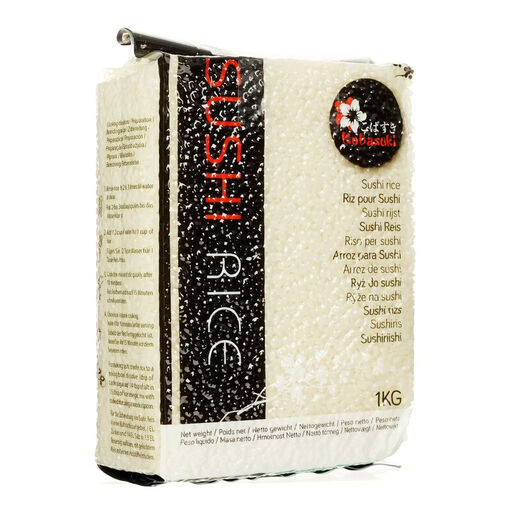
Why This Fits Their Persona: Ideal for those who make sushi occasionally. The 1 kg package is practical, prevents waste, and ensures the rice is fresh when you need it for a sushi night at home.
You're not buying an unnecessarily large quantity that could go stale. This package size is perfectly tailored for occasional use, ensuring you always work with fresh rice.
Specified as short-grain rice with an excellent texture. The vacuum-sealed packaging helps maintain freshness until the moment of opening.
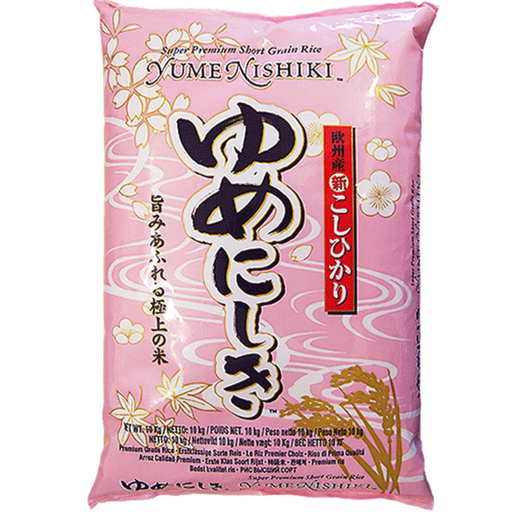
Why This Fits Their Persona: For the home chef who aims for restaurant quality. This rice is specifically selected based on Japanese standards, delivering an authentic flavour and texture.
Here, you're paying not just for a brand, but for verifiable origin and quality. The product information highlights Japanese cultivation and processing standards.
Authentic Japanese rice with a plump, glossy grain. Its soft, sticky texture is ideal for delicate nigiri and other traditional dishes.
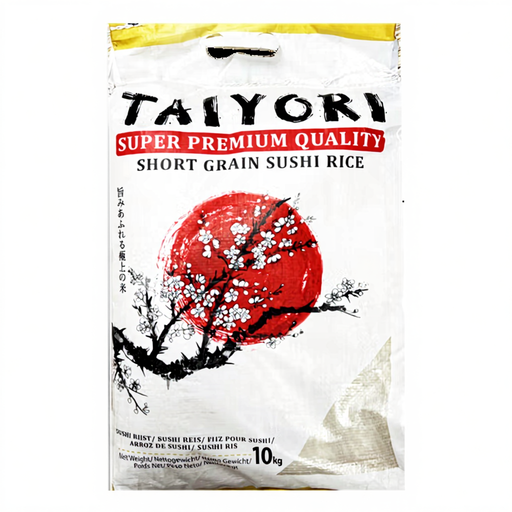
Why This Fits Their Persona: Perfect for sushi restaurants, caterers, or large families. This bulk package of sushi rice offers consistent quality and great value for large-scale use.
This product is explicitly positioned for professional and bulk use. The focus is on a reliable balance of firmness and stickiness, not on expensive marketing.
An efficient 10 kg sushi rice package. The rice is developed for a consistent texture, which is crucial for a professional kitchen where every dish must be uniform.
We have compiled a complete, up-to-date list of products that fully meet these strict selection criteria and current regulations.
The main difference lies in the grain and the starch content. Sushi rice is a short-grain rice with a high amylopectin content, which provides a sticky yet firm texture. Regular white rice, such as long-grain rice, is less sticky and falls apart after cooking, making it unsuitable for shaping.
An opened bag of sushi rice will last for about a year if stored properly. It is crucial to keep the rice in an airtight container in a cool, dry, and dark place. This protects the grains from moisture and pests and prevents them from going stale.
Yes, absolutely. The properties that make rice suitable for sushi—its stickiness and firm grain—are also perfect for making onigiri (Japanese rice balls). The rice sticks together well, making it easy to shape and fill the balls. Therefore, it's the same rice for onigiri as it is for sushi.
